






Roots of Disruption
The summer of 2026 is shaping up to be a turbulent one for European air travel, with a significant wave of flight cancellations and lengthy delays already
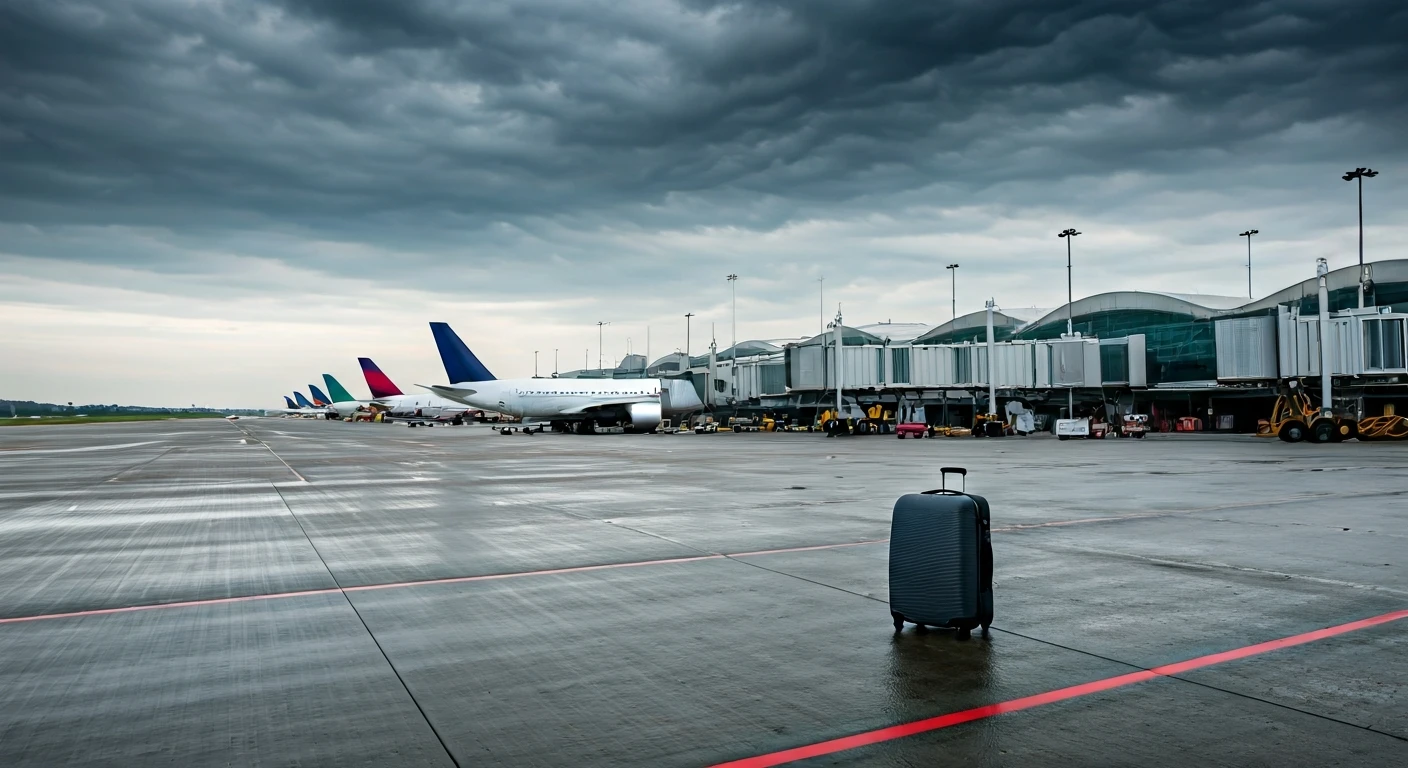
impacting key airports. Over 230 flights have been grounded, and more than 1,284 have experienced delays, affecting major carriers like Ryanair, KLM, Vueling, and Lufthansa. Cities such as Brussels, Madrid, Porto, and Dublin have seen thousands of passengers stranded. The primary drivers behind this widespread aviation chaos are multifaceted, encompassing a combination of industrial actions, critical staff deficits, operational challenges within air traffic control, and the persistent influence of adverse weather conditions. These factors are compounded by escalating operational expenses, creating a complex scenario that extends beyond isolated incidents. Airlines and airports across the continent are grappling with an overwhelming surge in passenger demand that their current resources are struggling to meet. This is particularly acute amidst ongoing labour disputes involving pilots, cabin crew, baggage handlers, and air traffic controllers, with Germany and Spain being notably affected. For instance, Lufthansa-related strikes in Germany caused thousands of flight disruptions in April and May, while a continuing air traffic control dispute in Spain has had a country-wide impact.
Staffing vs. Demand
A significant contributor to the ongoing travel disruptions is the imbalance between the pace of aviation industry recovery and its workforce replenishment. Experts observe that the return of passenger volumes has dramatically outpaced the efforts to rehire and retrain staff who left their positions during the pandemic. This has resulted in airports and airlines operating with severely limited personnel, creating bottlenecks at various stages of the travel process. The strain on existing staff is immense, leading to increased workloads and potential for errors. Consequently, even minor issues can escalate into significant delays or cancellations due to the lack of adequate backup and support. This staffing deficit is a critical factor exacerbating the operational challenges faced by the aviation sector as it attempts to cope with the resurgent demand for air travel, making it difficult to maintain pre-pandemic service levels and efficiency.
Outdated Infrastructure
Europe's air traffic control infrastructure is showing its age, becoming another substantial hurdle in ensuring smooth flight operations. Reports indicate a consistent rise in weather-related delays across European airspace, directly linked to the outdated nature of the current control systems. These systems are less adept at managing complex weather patterns efficiently, leading to disruptions that have a disproportionate impact on airlines operating on tight schedules. Budget carriers, such as Ryanair and Vueling, which rely on minimal turnaround times between flights, are particularly vulnerable. Even minor weather events can cause a cascade of delays and cancellations because there is little buffer time to absorb such impacts. Furthermore, the aging infrastructure struggles to cope with the increasing volume of air traffic, compounding the issues caused by weather and staffing.
Weather and Costs
Compounding the existing challenges, extreme weather events are adding another layer of complexity to European air travel. Several countries, including Portugal, Spain, and Germany, have already experienced multiple severe storms this year. These events have led to widespread flooding, disruptions in rail services, and significant airport delays, exerting a considerable negative effect on tourism. In parallel, airlines are continuously contending with a sharp increase in operational costs. Higher prices for aviation fuel, coupled with rising airport taxes and security charges, are placing considerable financial pressure on carriers. This surge in expenses makes it more difficult for airlines to absorb the costs associated with delays, cancellations, or disruptions, potentially leading to further price hikes or reduced services for passengers as they try to maintain profitability in an increasingly challenging economic environment.
Indian Travellers' Prep
For Indian travellers planning a European getaway in the latter half of 2026, proactive preparation is key. Staying vigilant by regularly checking airline mobile applications is crucial, especially when flying with low-cost carriers that operate on more stringent schedules. Monitoring weather forecasts for your destination and transit points can also provide valuable lead time to anticipate potential disruptions. Additionally, be aware of Europe's new Entry/Exit System (EES), a biometric border control rollout across the Schengen Area. This system, while aimed at enhancing security, has already led to longer processing times at several airports, contributing to queues and delays. By understanding these factors and planning accordingly, travellers can better navigate the complexities of European air travel and mitigate the impact of potential flight disruptions.