







The Ratepayer Protection Pledge
In a significant move, seven of the nation's leading technology corporations—including Amazon, Google, Meta, Microsoft, xAI, Oracle, and OpenAI—are scheduled
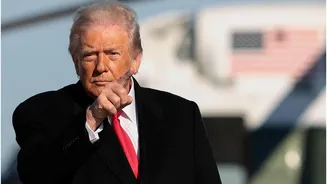
to convene at the White House on March 4th. The purpose of this gathering is to formally endorse what is being termed the "Ratepayer Protection Pledge." This commitment, championed by President Donald Trump, centers on the obligation for these tech giants to assume full responsibility for the electricity expenses associated with their burgeoning AI data centers. The initiative stems from concerns that the escalating power consumption of these facilities is contributing to increased energy costs for American households. The announcement during the State of the Union address highlighted the administration's stance that these major tech players should independently manage their power requirements, potentially even through the construction of their own power generation facilities, to prevent price hikes for the general public. This voluntary agreement seeks to draw a clear line between the operational costs of advanced AI infrastructure and the average consumer's utility budget, aiming to alleviate financial pressures on households.
AI's Growing Energy Appetite
The timing of this pledge is particularly poignant, given the voracious energy consumption of today's data centers, which are becoming increasingly critical for the advancement of artificial intelligence. The computational power required to train a single cutting-edge AI model is immense, projected to demand gigawatts of electricity. Consequently, the US AI sector faces a substantial need for at least 50 gigawatts of new power capacity in the coming years. This surging demand has already exerted considerable pressure on wholesale electricity markets, leading to significant price increases. Reports indicate that in some regions, electricity prices have escalated by as much as 267% over the past five years. This trend has amplified political concerns, especially as rising energy bills were a key factor in recent gubernatorial election outcomes. Both Democrats and Republicans are acutely aware of the electoral implications of energy affordability, making the resolution of this issue a political imperative heading into future elections.
Proactive Industry Commitments
It's important to note that not all companies waited for this White House mandate to address the issue of data center energy consumption. Microsoft, for instance, had already unveiled its "Community-First AI Infrastructure" plan in January. This proactive measure included a commitment to negotiate directly with utility providers, requesting higher rates for its own operations to shield residential customers from increased costs. Similarly, Anthropic made a comparable pledge earlier this month. Their commitment encompasses covering 100% of the grid upgrade expenses necessitated by their data centers and investing in sophisticated curtailment systems. These systems are designed to dynamically reduce power usage during periods of peak demand, thereby mitigating strain on the electricity grid and contributing to more stable energy prices for the wider community. These preemptive actions by some industry leaders indicate a growing awareness within the tech sector of the energy-related externalities of their operations.
Skepticism and Binding Agreements
Despite the forthcoming signing ceremony, not all stakeholders are entirely convinced by the voluntary nature of this pledge. Critics argue that a "handshake deal" with major technology corporations lacks the necessary legal enforceability to guarantee genuine consumer protection. Georgia state Senator Chuck Hufstetler has voiced his preference for a legally binding agreement, suggesting that informal understandings may not be sufficient. Arizona Senator Mark Kelly has echoed these sentiments, emphasizing the need for concrete assurances that energy prices will not skyrocket due to AI infrastructure growth. Energy analysts further point out that voluntary pledges alone may not adequately address the systemic issues at play. These include persistent turbine shortages, the slow pace of grid expansion, and intense competition for essential resources like natural gas and electrical equipment, all of which are contributing to supply chain constraints nationwide. The efficacy of the March 4th event, led by Energy Secretary Chris Wright and White House science adviser Michael Kratsios, hinges on whether it can translate into tangible accountability or merely serve as a public relations exercise.