


Landmark Verdicts Issued
In a decisive legal development, major technology companies Meta and Google's YouTube have been subjected to significant financial penalties, amounting
to $381 million combined. These substantial fines stem from jury verdicts in both New Mexico and California, which concluded that these platforms had intentionally cultivated addictive user experiences while inadequately safeguarding younger individuals. This outcome is being perceived as a pivotal moment, potentially altering the public's perception of social media platforms' responsibilities. For families who have experienced profound loss, such as Brian Montgomery, whose son tragically took his own life after encountering a sextortion scam on Instagram, this decision represents a crucial step forward. Montgomery emphasized the immense financial capacity of these corporations and suggested that this verdict will establish a new benchmark for expectations regarding their conduct and accountability in the digital realm, reflecting a collective desire for greater protection for vulnerable users.
Grief and Addictive Design
These legal proceedings have brought to light deeply distressing accounts of young lives negatively impacted by the digital world. The tragic story of Walker Montgomery, a vibrant athlete whose life was cut short by a sextortion scheme on Instagram, underscores the perils faced by youth online. His father’s anguish highlights the industry’s alleged inability to self-regulate effectively, leading to devastating consequences. While the verdicts offer a measure of justice, the personal toll remains immeasurable, as Walker will never return. Similarly, the case of Becca Schmill, who suffered immensely from online sexual assault and revenge porn before her death from fentanyl poisoning, illustrates the profound and lasting trauma that online experiences can inflict. The delay in legal recourse is a source of pain for many, with the sentiment that earlier action could have dramatically altered outcomes and saved lives. The California case, in particular, zeroed in on the inherent 'addictive by design' characteristics of these platforms, such as endless scrolling feeds, automatic playback, and constant notifications, which were identified as significant contributors to a young woman's exacerbated mental health challenges. The sentiment is shared by parents like Charles Halley, who chooses to keep his son offline to shield him from the pervasive negativity, unrealistic beauty standards, and consumerist pressures that are so prevalent and harmful in online environments tailored for children.
Corporate Negligence Uncovered
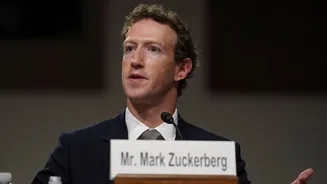
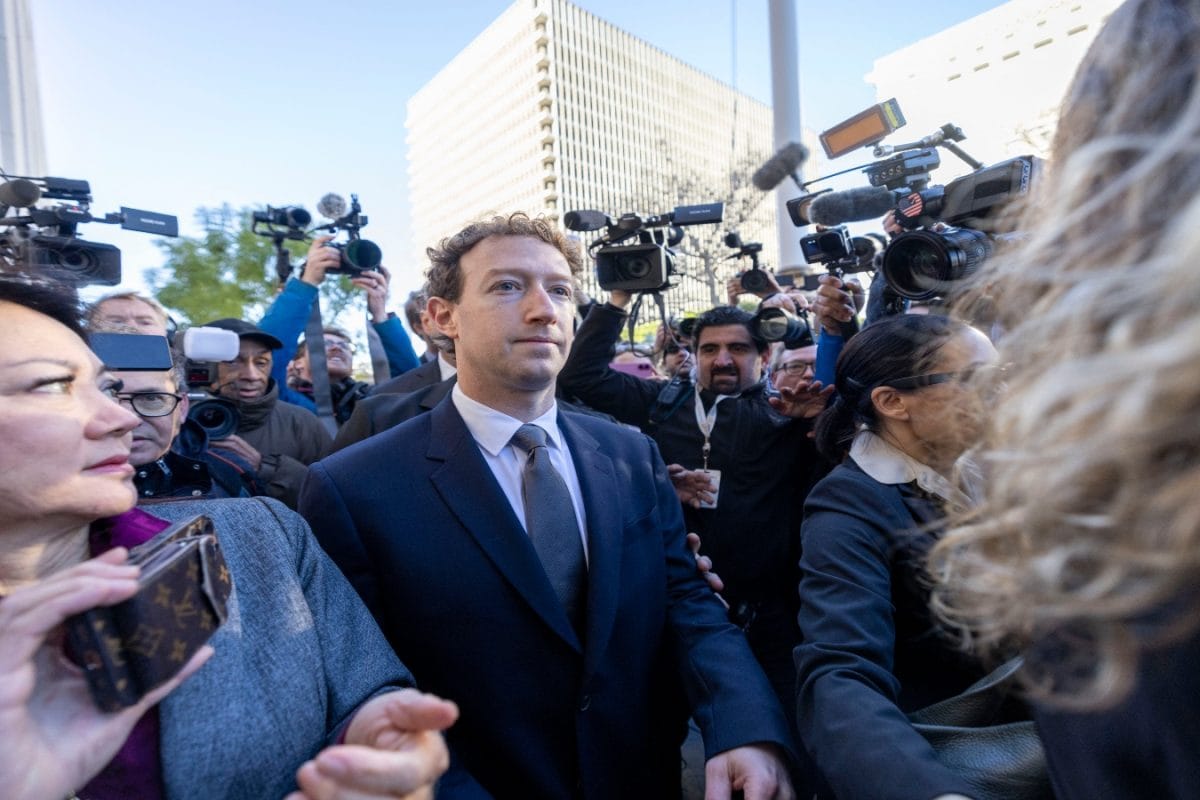
The legal repercussions for Meta and YouTube were swift and severe, with significant financial penalties levied against them. In Santa Fe, a jury imposed a $375 million fine on Meta, the parent company of platforms like Facebook, Instagram, and WhatsApp, citing violations of consumer protection laws. This penalty was based on the jury's finding that Meta prioritized profit over user safety. The jury applied the maximum permissible penalty of $5,000 for each violation across numerous accounts, reflecting the gravity of the offense. Concurrently, a Los Angeles jury found both Meta and YouTube negligent, determining that they were aware of the dangers their platforms posed to minors but failed to adequately inform users. A juror in this case commented that testimony from Meta's CEO, Mark Zuckerberg, did not resonate positively with the panel, who intended to send a clear message of accountability. The jury allocated 70% of the responsibility for the harm experienced by one plaintiff, Kaley, to Meta and 30% to YouTube. Both companies have publicly stated their intention to appeal these verdicts. Meta maintains that teen mental health is a complex issue that cannot be solely attributed to any single application, while a Google spokesperson defended YouTube as a responsible streaming platform, not primarily a social media site. Despite these defenses, legal officials like New Mexico Attorney General Raúl Torrez are pursuing further damages, aiming to enforce age verification and enhance the removal of online predators, potentially through measures like lifting encryption.
Global Impact and Future
Legal experts are characterizing these jury decisions as exceptionally significant developments and potential indicators for thousands of other lawsuits currently pending against tech companies. They suggest that the outcome of this case could pave the way for numerous similar legal actions, effectively 'opening the floodgates.' However, there is also a cautionary perspective that this is merely an initial phase in a much longer legal journey, and not a definitive victory, especially given the companies' appeals. While Section 230 of the Communications Decency Act continues to provide a shield for these firms against liability for user-generated content, these particular cases successfully targeted the very algorithms that drive platform engagement. The pace of regulatory change in the United States regarding online safety for children appears to be slower compared to countries like the UK or Australia, with proposed legislation like the Kids Online Safety Act still facing hurdles. Nevertheless, for affected families, the stakes remain critically high, with parents emphasizing that the inability to hold social media companies accountable directly leads to tragic outcomes for children, a situation they find deeply concerning and unacceptable.