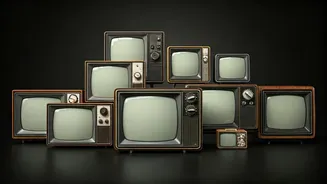

Early TV Beginnings
Television, once a novelty, quickly became a staple in households. Early programming faced numerous challenges, from technical limitations to content restrictions.
These initial hurdles shaped the industry significantly. The earliest broadcasts, experimental in nature, paved the way for the sophisticated entertainment we enjoy today. These trials included the development of broadcasting standards, the invention of more efficient ways to transmit pictures and sound, and the eventual transition from black-and-white to color. These early days of television serve as a crucial context for understanding the advancements that followed, highlighting the creativity and resilience of those pioneers who made it all possible. The very first programs ranged from news reports and live music to sports events. Their impact was huge.
Comedy's Big Breakthrough
Situation comedies, or sitcoms, made a big impact. Sitcoms, with their familiar characters and relatable scenarios, quickly gained popularity. They became the heart of television entertainment. These shows brought a sense of community to viewers. The success of early sitcoms encouraged innovation, leading to the creation of more diverse and ambitious comedic narratives. The format became a testbed for social commentary and provided a platform to reflect the cultural changes and evolving values. These initial comedy shows created a base for the future generation of comedians and writers. They also had a huge influence on fashion, language, and social behavior.
Animation Takes Flight
Animation has always been a key part of TV, enchanting audiences of all ages. Animated series have evolved through various styles and techniques, creating enduring classics. The use of animation allowed for the exploration of fantasy worlds, fantastic stories, and the creation of memorable characters. Animation techniques evolved from hand-drawn frames to computer-generated imagery. These advancements also changed storytelling, allowing for more dynamic visual effects and innovative narratives. This development increased creative options. They also created a path for animated movies to enter the scene.
The Rise of Dramas
Dramatic series pushed the limits of TV. They used complex stories and character development. Early dramas explored serious themes, often dealing with social issues and realistic portrayals of life. The dramatic series explored the depth and range of human experience. These shows attracted top talents from the film industry, increasing the value of TV. The shift toward serialized storytelling, with interconnected episodes that developed over seasons, created intense and engaged audiences. They also gave new opportunities for actors to show off their acting skills.
Reality TV Emerges
Reality television changed the game. Reality TV gave viewers a raw, unscripted look at real people and situations. It gained popularity, with shows featuring competitions, home improvements, and lifestyle changes. The format's success showed the audience's growing interest in real-life stories and the allure of everyday drama. Reality TV had a big impact on popular culture. It also gave rise to the careers of ordinary people, who then became stars.
Sports on Television
Sports broadcasting has always been central to TV. Live sports events brought audiences together. They increased the power of television. Technological advances improved the viewing experience. These innovations let viewers see the action up close. Sports broadcasting boosted the popularity of sports. The coverage became more in-depth. It also included post-game analysis and behind-the-scenes content.
Kids' Programming Changes
Children’s television underwent a transformation. Early kids' shows often had simple formats. They eventually evolved into diverse educational and entertaining programs. These shows incorporated educational content. They became more sophisticated and focused on children's development. This change reflected a broader understanding of child psychology and the role of TV in learning and development.
The Influence of News
News programs shaped TV's role as a source of information. The coverage of current events, with news reports and investigations, helped to inform the public and influence opinions. News programs expanded from brief bulletins to in-depth coverage. They also allowed for analysis and interviews. The evolution of news coverage demonstrated TV's capacity to keep people updated. It also showed its impact on the society. This also led to more cable news channels that provided updates throughout the day.
Technological Advancements
Technology changed the TV experience. Color broadcasting, digital recording, and high-definition television improved image and sound. These advances led to more immersive viewing. The creation of cable and satellite systems also greatly expanded viewing choices. This boosted the industry. Further innovations included streaming services and smart TVs. These trends keep changing how we view television content.
TV's Global Impact
TV has a global impact. TV shows and formats are shared. They influence cultures around the world. These shows help people understand different societies. The worldwide distribution of content increases cultural exchange. It also promotes understanding and dialogue. Television has become a way to unite people.