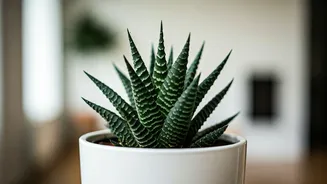

Air Purification Powerhouse
Snake plants excel at cleaning indoor air, acting as natural filters to remove harmful toxins. Research has shown they efficiently eliminate benzene, formaldehyde,
xylene, and toluene – common pollutants found in homes. The plants work by absorbing these toxins through their leaves and converting them into harmless substances. This process contributes to a cleaner and healthier indoor environment, vital for respiratory health and overall well-being. They can also help reduce allergy symptoms and improve the air quality, ultimately leading to a more comfortable living space. Their ability to remove toxins is continuous, making them a consistent asset for a healthier home. This makes them especially valuable in urban areas with high pollution levels or for homes with poor ventilation. The purification process operates constantly, providing a persistent enhancement of indoor air quality.
Low-Maintenance Marvel
One of the most appealing aspects of snake plants is their incredibly low maintenance requirements, making them ideal for both novice and experienced plant owners. They thrive on neglect, tolerating infrequent watering and a wide range of light conditions, from direct sunlight to low-light environments. This adaptability is particularly advantageous in busy Indian households, where time for plant care can be limited. The plants only require watering when the soil is completely dry, which often translates to once every two to four weeks, depending on the environment. Snake plants also don't require frequent repotting. They are slow growers and can remain happy in the same pot for extended periods. This minimal upkeep makes them a stress-free option for anyone seeking to enhance their home with greenery without the constant demands of other houseplants. Their resilience to various environmental conditions adds to their appeal.
Health and Wellness Boost
Beyond their air-purifying capabilities, snake plants contribute to overall well-being by promoting a healthier indoor environment. By removing toxins, they can help alleviate allergy symptoms and respiratory issues, contributing to easier breathing. Snake plants release oxygen during the night, unlike many other plants that do so during the day, making them beneficial for bedrooms as they can improve sleep quality. Placing a snake plant in a bedroom can contribute to a more restful night. The improved air quality can lead to reduced stress levels and enhanced mental clarity. They also add a natural aesthetic to the home, contributing to a sense of calm and well-being. Their presence in the living space can have a positive effect on both physical and mental health. The combination of clean air and a pleasing aesthetic creates a holistic approach to home wellness.
Suitable for Indian Homes
Snake plants are perfectly suited for the diverse climate and lifestyles of Indian homes. They are adaptable to a range of temperatures and humidity levels, making them a versatile choice for different parts of the country. Their resilience to varying light conditions means they can thrive in both sunny balconies and dimly lit corners. Their low-maintenance nature is especially beneficial for Indian households, where busy schedules are common. The plant’s adaptability to both indoor and outdoor settings further adds to their popularity. They are also relatively resistant to common pests and diseases, making them a low-risk addition to any home. The snake plant’s ability to thrive in a range of environments makes it an accessible and practical choice for Indian homes seeking to bring the benefits of nature indoors.
Variety and Aesthetics
Snake plants come in a variety of species, offering a range of aesthetics to suit any decor style. From the classic Sansevieria trifasciata 'Laurentii' with its striking yellow-edged leaves to more compact varieties, there's a snake plant to match any design preference. Their architectural form adds a touch of modern elegance to any room, and their upright growth habit makes them ideal for smaller spaces. The different colors, shapes, and patterns add visual interest to the decor. They can be placed in various containers, from minimalist pots to decorative planters, easily matching and enhancing the overall style of the room. This diversity in appearance allows individuals to incorporate these plants into their homes in a way that aligns with their personal aesthetic preferences. The variety ensures that there is a snake plant to complement every design style.
Care and Tips
Taking care of a snake plant is straightforward. Watering should be infrequent, usually once every two to four weeks. Let the soil dry out completely between waterings to avoid root rot. Use a well-draining potting mix, such as a cactus or succulent mix, to prevent waterlogging. Snake plants thrive in bright, indirect light, but can tolerate low-light conditions. Avoid overwatering, which is the most common mistake. Fertilize sparingly during the growing season (spring and summer) with a balanced liquid fertilizer diluted to half strength. Wipe the leaves periodically to remove dust. Propagating snake plants is easy; they can be propagated from leaf cuttings or by dividing the plant. By following these simple tips, individuals can ensure their snake plant thrives and continues to offer its benefits for years to come.