
A Pristine Environment
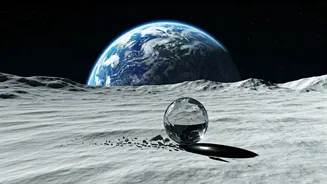
The Moon, often regarded as a blank canvas in the cosmos, has attracted increasing interest from scientists due to its potential for preserving ancient
materials. Unlike Earth, the Moon lacks a substantial atmosphere and geological activity like plate tectonics or erosion, which naturally erase the records of space. This characteristic makes the lunar surface a unique repository. It may hold pristine samples from the early solar system, including meteorites and other space debris, some of which may contain the building blocks of life. However, space missions, while driven by scientific curiosity, may inadvertently contaminate the lunar environment with material from Earth. This contamination can come from spacecraft, equipment, and even the astronauts themselves. These foreign materials, if not carefully controlled, can obscure or destroy the existing extraterrestrial samples, hampering scientific investigations and potentially giving false results.
Contamination Concerns Arise
Recent studies have intensified concerns regarding contamination. They highlight how human activity may pose a risk to the integrity of potential life-related evidence on the Moon. Spacecraft and their components, despite rigorous sterilization protocols, can still carry traces of terrestrial life and organic materials. These materials can then spread across the lunar surface, confusing the signals of any true extraterrestrial findings. Imagine searching for a specific type of signal only to find that your tools are broadcasting a similar signal! This contamination issue is not new, but it is gaining urgency as space agencies worldwide ramp up their lunar exploration efforts. NASA, along with other agencies, are planning various crewed and uncrewed missions to the Moon. Without adequate measures, this increase in activity could drastically increase the pace of contamination, making it increasingly difficult to differentiate between Earth-based pollution and any authentic signs of extraterrestrial life.
Planetary Protection Protocols
To address the potential threat of contamination, space agencies and scientists are working on improved planetary protection protocols. These protocols involve measures aimed at limiting the introduction of terrestrial materials to other celestial bodies, as well as preventing the return of any potentially hazardous extraterrestrial materials to Earth. Current protocols cover guidelines for sterilizing spacecraft components, limiting the number of astronauts required on missions, and meticulously planning the locations of activities to minimize exposure to sensitive areas. However, these protocols are constantly evolving as new findings and technologies emerge. There is an increasing emphasis on creating more stringent standards. Space agencies are seeking to improve the effectiveness of sterilization techniques and to refine mission planning to better protect the lunar environment. It is imperative that the international community develops a uniform, strong stance on planetary protection to guarantee the scientific integrity of lunar exploration.
Impact of Lunar Exploration
The implications of lunar contamination extend far beyond mere scientific inconvenience; they touch upon the very foundations of the scientific method. If we cannot be certain of the lunar samples' purity, then any conclusions drawn about the origins of life could be unreliable. Furthermore, contamination can affect future research efforts. It can be difficult or impossible to isolate and study extraterrestrial life forms if the lunar environment is already riddled with terrestrial organisms or organic materials. This risk raises fundamental ethical issues concerning our responsibility to safeguard the cosmos. The ongoing debate emphasizes the necessity to balance the advantages of space exploration with the responsibility to maintain scientific integrity. Scientists must consider the long-term impact of their activities and adopt preventative measures to preserve the lunar surface as a reliable archive of cosmic history.
Future Missions Challenges
Looking ahead, the next generation of lunar missions will face substantial challenges in terms of contamination control. As missions become more frequent and more ambitious – ranging from long-term lunar bases to extensive sample return missions – the risk of contamination grows exponentially. The problem is complicated by the increasing involvement of commercial space companies, each with their own approaches and priorities. The success of future missions may depend on the development of new, innovative technologies. These could include improved sterilization techniques, such as advanced methods for cleaning spacecraft. It will require international cooperation to develop and implement stringent standards that can be universally adopted. The international community must collaboratively monitor and manage the environmental impact of human space activities. Only then can we ensure that the pursuit of scientific knowledge doesn't come at the cost of erasing the very clues we're seeking to understand.