



A Fateful Saturday Night
In a shocking turn of events, a family in Mumbai experienced a profound tragedy on a Saturday night that quickly escalated into a series of deaths. Abdulla
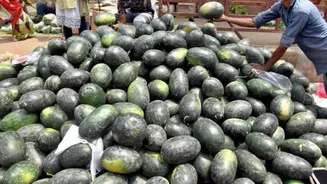
Dodakia, 44, his wife Nasreen, 35, and their daughters Ayesha, 16, and Zainab, 12, all succumbed to an unknown illness within hours of each other. The family, residents of Bhendi Bazaar, had shared a meal including biryani-pulao with other relatives around 10:30 PM. However, it was the watermelon, consumed by the four deceased around 1:00 AM on Sunday, that appears to be the focal point of the investigation. While other family members who ate the biryani-pulao reported no ill effects, the rapid and fatal progression of symptoms in the four points towards a specific cause linked to the fruit. The timeline of deaths began with Zainab around 10:30 AM, followed by Nasreen three hours later, Ayesha at approximately 5:15 PM, and finally Abdulla around 10:15 PM, a grim sequence of events that has deeply unsettled the community and medical professionals.
Medical Enigma Unfolds
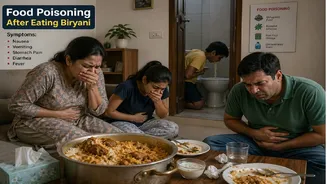
Doctors at JJ Hospital, where three of the victims received treatment, have expressed considerable perplexity regarding the fatalities. They have stated that it is "highly improbable" for a stale watermelon alone to cause such swift and deadly consequences, especially when it fails to be mitigated by extensive medical intervention. The primary symptoms observed in the victims were consistent with severe food poisoning, including pronounced vomiting and diarrhea, which rapidly led to critical kidney impairment. Police have initiated accidental death inquiries, noting the absence of any immediate signs of foul play. Statements from Abdulla and Ayesha prior to their passing indicated severe gastrointestinal distress following watermelon consumption. Forensic analysis of the watermelon samples is underway, alongside postmortem and viscera examinations, to uncover any potential contaminants or unusual properties. The family, originally from the Mughal Building in Ghati Gali, experienced the onset of symptoms between 5:00 AM and 5:30 AM on Sunday, with neighbors alerted to the crisis between 9:30 AM and 10:00 AM. A local homeopath, Zaid Qureshi, attended to the scene and observed Zainab with frothy mouth and absent pulse, while the others were semi-conscious.
Investigation and Speculation
The investigation into the deaths of the four family members is actively proceeding, with police registering four accidental death cases. While no foul play is currently suspected, authorities are awaiting crucial postmortem and forensic reports to ascertain the exact cause. Samples from the watermelon have been dispatched for rigorous testing, and gastric lavage (stomach wash) samples have also been preserved. Medical superintendent Dr. Sanjay Surase emphasized the unlikelihood of a simple stale watermelon being the sole culprit, suggesting the possibility of additives or other unknown agents. The swift decline of the patients, despite the administration of strong antibiotics and intensive care, has left the medical fraternity speculating widely, with no definitive answers yet available. The swift transfer to hospitals—Zainab was declared deceased at Saboo Siddique Hospital, while Abdulla, Nasreen, and Ayesha were moved to JJ Hospital where Nasreen passed away two hours after admission, followed by Ayesha and Abdulla several hours later—underscores the severity and rapid onset of the ailment. The family was subsequently laid to rest at the Marine Lines Bada Qabarastan.
Expert Opinions on Watermelon Safety
Following the tragic incident, there has been widespread concern and even a noticeable dip in watermelon sales in affected areas of Bhendi Bazaar. However, medical experts are reassuring the public about the general safety of watermelons. Dr. Akash Shukla, Head of Gastroenterology at KEM Hospital, Parel, was emphatic that even a stale watermelon is highly unlikely to be fatal, citing its composition of over 90% water. He acknowledged rare historical accounts of bitter-tasting cucumbers causing fatalities but stressed that such incidents are exceptional and that there is no cause for widespread panic concerning watermelons. While the Mumbai family's case remains a profound mystery, requiring detailed forensic examination, the broader consensus among health professionals is that watermelons are typically a safe and hydrating fruit, a popular choice during warmer months. The investigation continues to focus on identifying any specific factors that may have contributed to this exceptionally tragic outcome.