





Sattu: The Traveler's Staple
In the sweltering northern Indian plains, where long journeys and battles were common, warriors and travellers needed a food source that was both portable
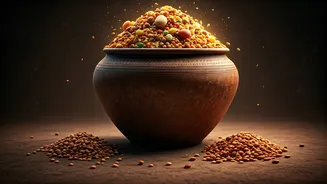
and powerfully sustaining. Sattu, derived from roasted gram flour, emerged as the ultimate companion. Easily transformed into an instant drink by mixing with water, salt, jaggery, or spices, it offered a simple yet deeply satisfying flavour that rapidly replenished energy reserves. Its primary advantage lay in its unparalleled convenience; roasted gram flour required minimal preparation and could be readied quickly, even on the move. A small quantity of sattu was often sufficient to create a filling beverage or a pliable dough, establishing it as a practical and dependable source of nourishment. Historical accounts indicate that soldiers in regions like Bihar and eastern Uttar Pradesh carried sattu on extensive marches, and even today, many labourers and farmers rely on it as a natural energy enhancer that helps maintain bodily coolness and provides essential nutrients during demanding physical labour.
Bajra Roti: Desert Resilience
Amidst the arid terrains of Rajasthan, a region that fostered formidable warrior clans like the Rajputs, resilient grains formed the bedrock of daily sustenance. Pearl millet, or bajra, stood out as one of the most crucial. Thick rotis crafted from bajra, generously slathered with ghee, were a fundamental meal for warriors preparing for arduous physical endeavors. Bajra boasts a rich composition of complex carbohydrates, iron, and protein, making it exceptionally effective at maintaining stamina. When paired with ghee, a concentrated source of beneficial fats, this dish delivered sustained energy and supported muscle repair. Furthermore, bajra's ability to thrive in harsh desert conditions where other crops falter made it an indispensable crop for communities inhabiting rugged landscapes. Its dense nutritional profile meant that even uncomplicated preparations could furnish enduring energy and fortitude for extended periods of physical exertion. The inherent power of this simple meal was profound; a few bajra rotis were enough to keep a warrior invigorated for hours on end.
Khichdi: Balanced Sustenance
While often perceived today as a comforting dish, khichdi once served a vital practical purpose in sustaining warriors and those undertaking long journeys. This meal, created by simmering rice and lentils together with delicate spices, provided a perfectly balanced fusion of carbohydrates and protein. Khichdi was not only easily digestible but also possessed a flavour profile substantial enough to maintain energy levels consistently. For soldiers on campaigns or during extended travels, such a dish ensured the body received continuous nourishment without burdening the digestive system. Over time, the recognition grew that incorporating ghee significantly enhanced both its texture and caloric density, solidifying its status as a straightforward yet potent meal for preserving strength. Its simple composition offered a gentle yet effective way to keep the body fueled and resilient, making it an ideal choice for times when energy and recovery were paramount.
Badam Milk: Vitality Elixir
Within the refined settings of many Indian royal courts, strength was meticulously cultivated not solely through physical conditioning but also via expertly crafted tonics. Badam milk, a beverage infused with almonds, saffron, and warming spices, became synonymous with vitality. Almonds are a powerhouse of healthy fats, protein, and Vitamin E, while milk contributes essential calcium and further protein. Together, they form a potent combination that aids in bolstering muscle strength and enhancing overall endurance. The subtle spices often incorporated into the drink also assisted in promoting digestion and circulation, adding a layer of flavour and wellness. Beyond its nutritional benefits, the drink was prized for the steady, enduring energy it provided. A warm serving was frequently consumed in the morning or before resting, allowing the body to gradually absorb its nourishing components. The blend of milk fats, almond protein, and mild spices rendered it both comforting and restorative, an ideal preparation for supporting the body's demands.
Gond Ke Laddoo: Strength Sweets
In traditional Indian households, edible gum, known as gond, has a long-standing history of use in creating strength-enhancing confections. Gond ke laddoo, in particular, were highly esteemed among warriors and wrestlers for their nutritional benefits. These laddoos expertly combine gond with wheat flour, a medley of nuts and seeds, and a generous amount of ghee. The preparation method itself reflects a profound, intergenerational understanding of nutrition. Ingredients are gently roasted to unlock their inherent oils and aromas, culminating in a dense concoction engineered to sustain energy through extended periods of intense physical activity. Such sweets were often consumed during the colder months or following rigorous training sessions, when the body’s need for warmth, stamina, and recovery is heightened. When heated, gond expands and becomes delightfully crisp, adding both a unique texture and substantial nutritional value. The combined ingredients render the laddoo rich in healthy fats, protein, and essential minerals, making them exceptionally beneficial for muscle regeneration and maintaining joint health after demanding physical exertion.
Sattu: A Versatile Powerhouse
In the vast, sun-baked plains of northern India, where arduous journeys and intense combat were part of life, warriors and travellers required sustenance that was both easily transportable and highly effective in providing lasting energy. Sattu, a preparation made from finely ground roasted gram flour, perfectly met these demands. It could be swiftly mixed with water, salt, jaggery, or even spices to create an instant drink that was not only simple and pleasing to the palate but also rapidly replenished vital energy stores. Its greatest asset was its inherent convenience. Roasted gram flour required no complex cooking procedures and could be prepared with minimal effort, making it an ideal choice for those on the move. A small satchel of sattu was frequently sufficient to prepare a filling drink or mould into a dough, establishing it as a reliable and practical nutritional resource. Historical records suggest that soldiers in areas like Bihar and eastern Uttar Pradesh carried sattu during lengthy expeditions. Even in contemporary times, numerous farmers and labourers consider it a natural energizer that helps keep the body cool and well-nourished during periods of significant physical exertion.