
A Cosmic Enigma
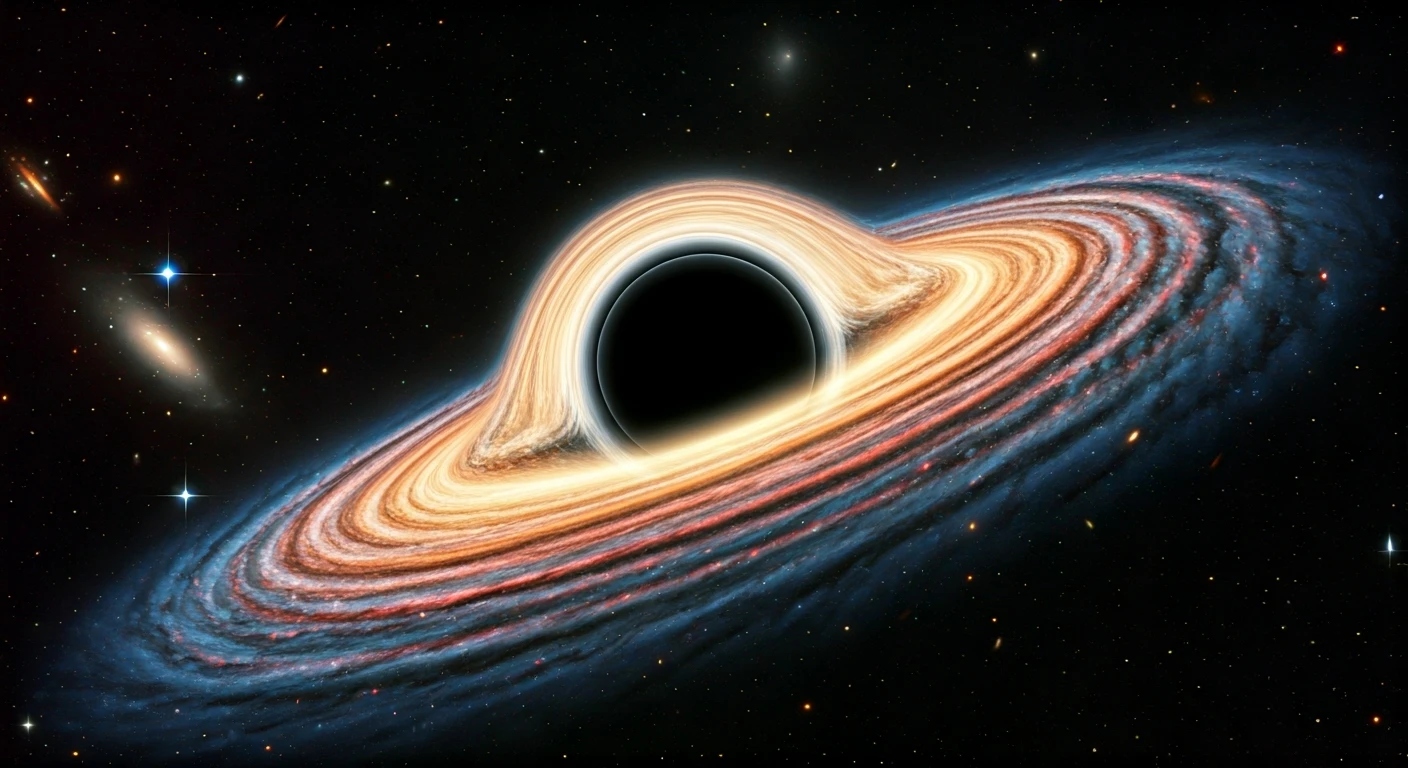
M87, a galaxy situated approximately 55 million light-years distant, houses a supermassive black hole at its center, with a mass billions of times that
of our sun. A prominent feature of M87 is the powerful jet of matter and energy that it expels. This jet extends for about 5,000 light-years, representing one of the largest structures in the universe, and consists of particles moving at almost the speed of light. Its source and the mechanism driving it have remained a long-standing mystery. The jet's presence offered a unique chance for researchers to delve deeper into the nature of black holes and the processes at work within galaxies. Researchers knew that understanding this jet could reveal much about the dynamics of accretion disks – the swirling masses of gas and dust that orbit black holes – and how these celestial entities influence their surroundings.
Unraveling the Mystery
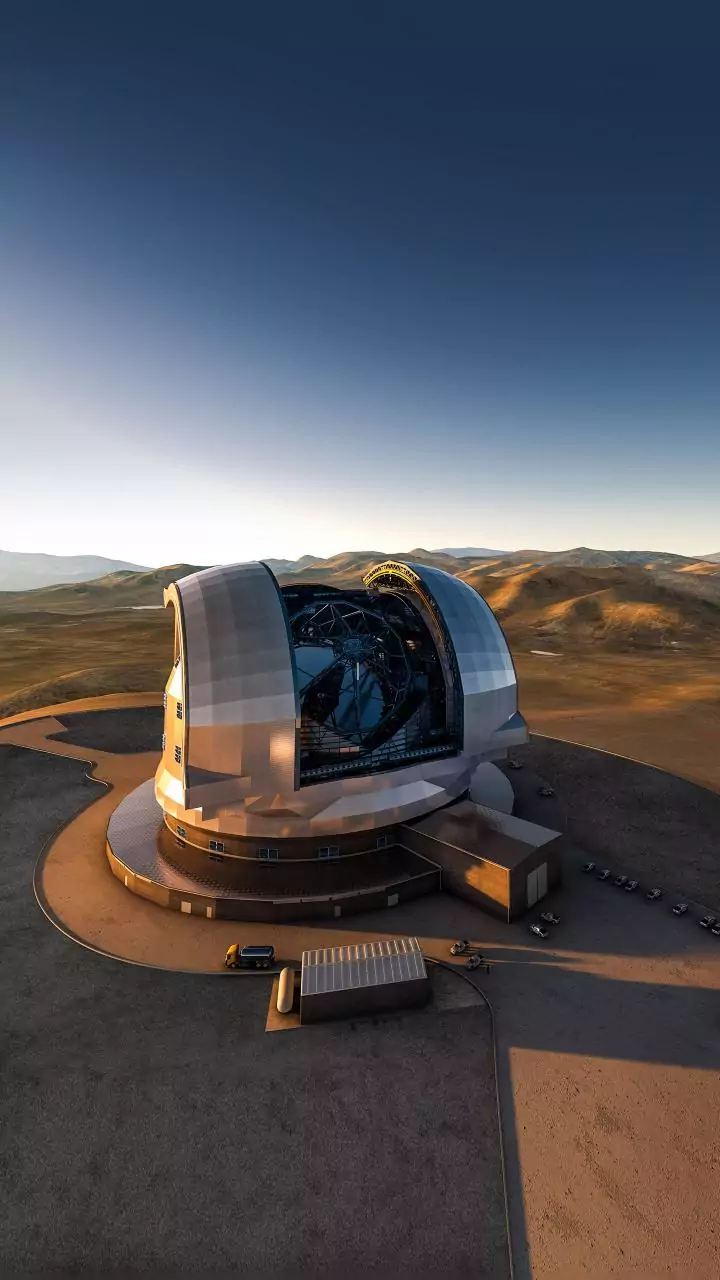
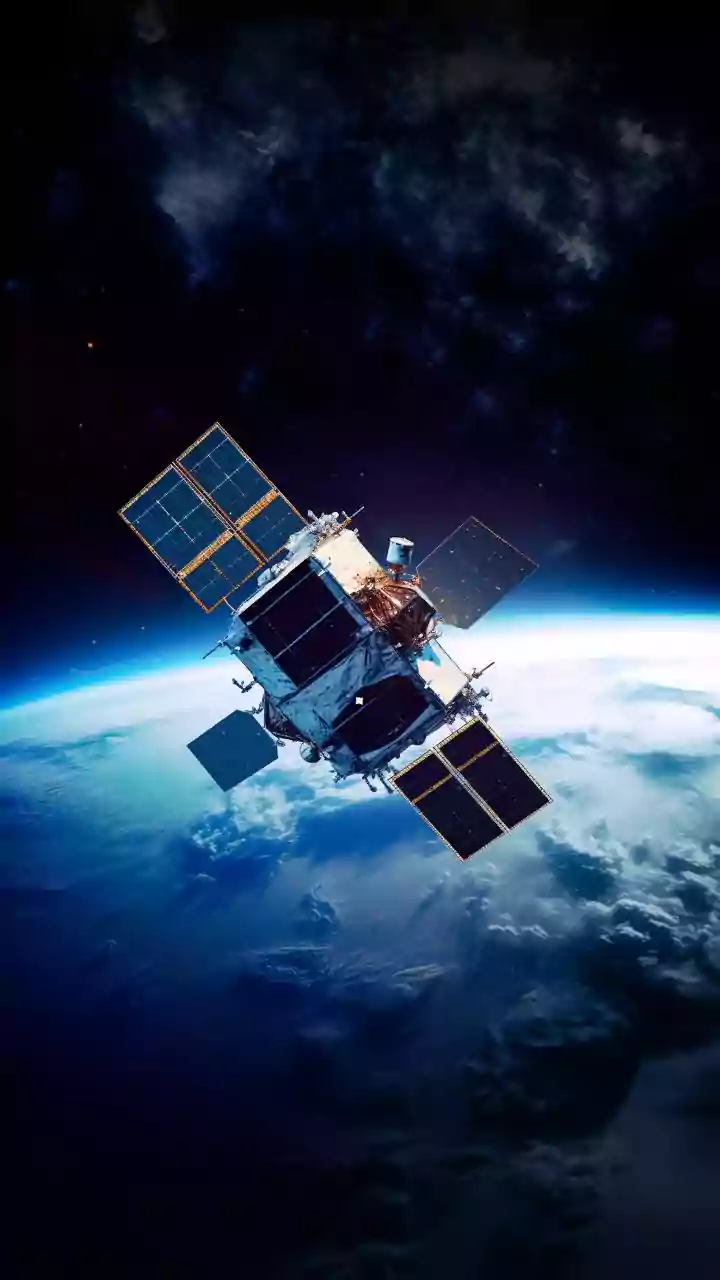
Scientists employed advanced techniques to study the jet in detail. Using a combination of observations across different wavelengths of light, from radio waves to X-rays, they were able to construct a comprehensive picture. These observations were combined with sophisticated computer simulations to model the jet's behavior. The results revealed that the jet's origin lies close to the black hole, near the event horizon. Within the vicinity of the black hole, the magnetic fields are incredibly strong. These fields, in conjunction with the rapidly rotating accretion disk, channel particles into the jet. Furthermore, these fields accelerate these particles to nearly light speed. These discoveries provided a critical breakthrough in understanding the mechanics by which black holes generate these jets, which are seen in many galaxies across the universe.
Magnetic Fields' Role
A core finding was the critical role of magnetic fields in the jet's creation. The magnetic fields around the black hole are intensely strong, and they act like a funnel, guiding and accelerating the particles that form the jet. Researchers found that the jet's power and stability result from these organized magnetic fields. These fields act to collimate the jet, preventing it from dispersing as it moves outward. Furthermore, these fields also facilitate the extraction of energy from the black hole's rotation. This magnetic activity plays a crucial role in enabling the black hole to transfer energy outwards. Consequently, these processes help explain how a supermassive black hole can have such a profound impact on the surrounding galaxy, influencing star formation and the distribution of matter.
Implications and Future
The research on M87's jet offers a new understanding of how black holes function and impact their galactic environments. It provides insights into the physical processes in the immediate vicinity of black holes. These processes are central to the activity observed in galaxies throughout the cosmos. This study also demonstrates the utility of multi-wavelength observations. Future studies will concentrate on other galaxies, and aim to uncover more on the connections between jets and black holes. They will also look into the effect these jets have on their surroundings. By further investigating these phenomena, astronomers will refine their models and improve their comprehension of the universe’s most extreme environments, improving our understanding of how galaxies grow and develop over cosmic timescales.