




Temperature is Key
Deciding whether to open or close your windows during hot summer days hinges on a crucial comparison: the temperature outside versus the temperature inside.
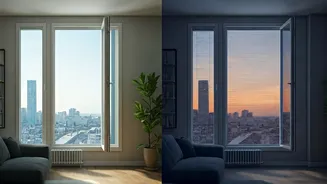
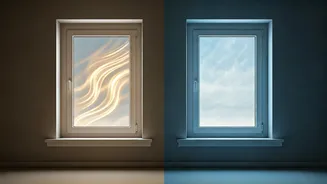
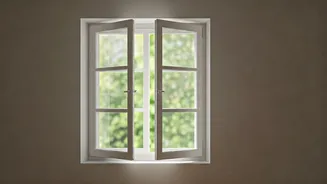
According to expert insights, if the ambient air beyond your walls is cooler than the air within your home, strategically opening your windows can harness this natural temperature difference to bring down the internal heat. This passive cooling method is particularly effective when done during periods of the day when outdoor temperatures naturally dip. Conversely, if the external environment is significantly hotter, especially during the peak heat of the afternoon, keeping your windows shut becomes paramount. This prevents the influx of sweltering air, effectively trapping the cooler air you already have inside and maintaining a more temperate atmosphere. The fundamental principle is to leverage cooler external air when available and seal your home against hotter air when it's not.
Humidity's Big Role
The impact of outdoor humidity on your comfort levels cannot be overstated when considering window ventilation. On sweltering days saturated with moisture, opening your windows can inadvertently exacerbate the feeling of heat and discomfort. When air laden with a high concentration of water vapor enters your living space, it can create a sticky, oppressive environment, making it harder for your body to cool down through natural evaporation. In such scenarios, keeping windows closed and relying on air conditioning becomes a more sensible choice, as AC units are designed to both cool the air and remove excess moisture. However, in regions characterized by dry heat, the dynamic shifts. Opening windows during the cooler, drier periods of the day, such as early mornings or late evenings, can be highly beneficial. The influx of cool, dry air helps to lower the indoor temperature without introducing uncomfortable dampness, offering a pleasant and refreshing natural cooling effect.
Timing Your Ventilation
Strategic timing is a critical element in optimizing comfort through window management during the summer months. It is generally advised to open your windows during the early morning hours or in the late evening when the outdoor air has naturally cooled down. This practice allows for passive ventilation, helping to reduce indoor temperatures and maintain a comfortable living environment without the constant need for air conditioning. The principle here is to allow the cooler night air to circulate through your home, effectively flushing out the heat accumulated during the day. Conversely, during the intense heat of the afternoon, when the sun is at its zenith and outdoor temperatures soar, it is recommended to keep your windows securely closed. This proactive measure prevents the ingress of hot air, thereby preserving the cooler air already present inside your home and minimizing heat gain.
Fans and AC Synergy
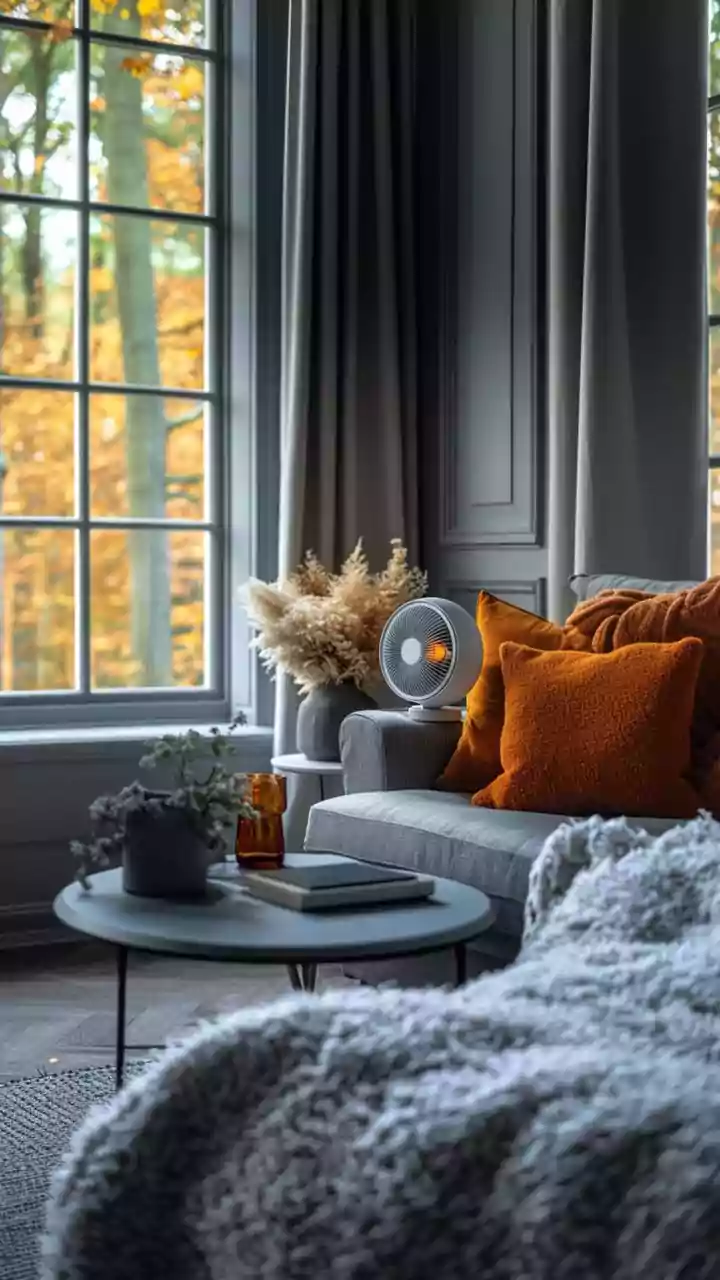
Integrating fans and air conditioning with your window strategies can significantly enhance indoor comfort and efficiency. When employing fans alongside open windows, the objective is to create a cross-breeze, facilitating the movement of air throughout your home. This is most effective during the cooler parts of the day, such as dawn and dusk. By strategically placing fans, you can help draw the cooler external air into your living spaces and expel the warmer indoor air, fostering a more invigorating and comfortable atmosphere. However, when your air conditioning system is in operation, maintaining closed windows is essential for optimal performance and energy savings. Air conditioners work by cooling and dehumidifying the air. If windows are left open, warm, humid outdoor air continuously enters, compromising the AC's efficiency and leading to increased electricity consumption. To ensure a consistently cool and energy-conscious environment, sealing your windows is the most effective approach.