





Solar Storms Explained
The National Oceanic and Atmospheric Administration (NOAA) has issued a G2 solar storm watch, a type of geomagnetic storm, that is expected to illuminate
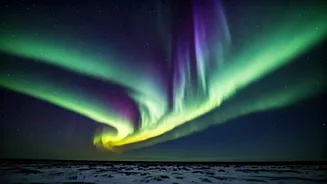
the skies with auroras. These storms stem from solar flares and coronal mass ejections (CMEs) from the sun. CMEs, which are powerful bursts of plasma and magnetic fields, are propelled towards Earth, interacting with our planet's magnetosphere. This interaction can trigger auroras, also known as the Northern and Southern Lights, which appear as vibrant displays of light in the sky.
G2 Storm Details
A G2 storm is categorized as moderate on the NOAA's five-point scale of geomagnetic storms, and its impact is usually not too severe. While the primary effect of the solar storm is the chance of sparking auroras at higher latitudes, the magnetic fluctuations caused by the storm could also interfere with satellite operations, radio communications, and the electrical grid. This is a common occurrence with these types of solar storms. The intensity of a G2 storm is still significant, however, and can cause a disruption in different technologies.
Impact on Technology
While the expected impact of the G2 storm is considered moderate, technological systems remain vulnerable. Satellites in orbit might experience disruptions or have their operational capabilities reduced. Radio communications, specifically those that use high-frequency signals, may face interruptions. In extreme cases, there could be effects on power grids due to fluctuations in the electrical currents. The NOAA and other institutions constantly monitor these types of situations, providing updates and alerts to minimize disruption and provide critical alerts for infrastructure operators.
Auroras and Visibility
The main attraction of a solar storm is the possibility of witnessing auroras. The G2 storm has the potential to make the auroras visible in various locations. Viewers in regions that are considered high-latitude areas, such as Canada, Alaska, and the northern parts of Europe, are more likely to see the aurora borealis, the Northern Lights. However, the exact visibility relies on multiple factors, including the intensity of the storm, the location, and the clarity of the skies. Dark skies, far from light pollution, are always advantageous when it comes to seeing the aurora.
Staying Informed
To keep updated on the solar storm's progression and any potential effects, regularly check resources from NOAA's Space Weather Prediction Center. The Center provides forecasts, updates, and alerts regarding solar activity and its potential impacts on Earth. Subscribe to alerts from trusted news sources, and space weather websites to stay informed on the developments of the event. Being aware of the possible disruptions and impacts will provide a better understanding of the overall situation.