





Idli: The Classic
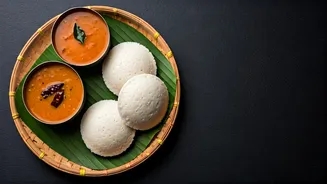
Idli, a South Indian staple, begins our list. These fluffy, steamed rice cakes are a breakfast favorite, celebrated for their light texture and ease of
digestion. To make idli, a batter of fermented rice and lentil is prepared, then steamed to perfection. The fermentation process enhances the nutritional value, making idli a powerhouse of good bacteria beneficial for gut health. Usually served with sambar (a lentil-based vegetable stew) and coconut chutney, idli offers a balanced meal that is both filling and light. It's an excellent choice for those seeking a gluten-free and easily digestible breakfast option. The key to perfect idli lies in the batter's fermentation, which provides the characteristic fluffy texture and a slightly tangy taste. Preparation typically involves soaking rice and urad dal separately, grinding them into a smooth paste, allowing them to ferment overnight, and then steaming the batter until the idlis are soft and spongy. This simple process yields a breakfast that is both nutritious and deeply rooted in South Indian culinary tradition.
Dhokla: Gujarati Delight
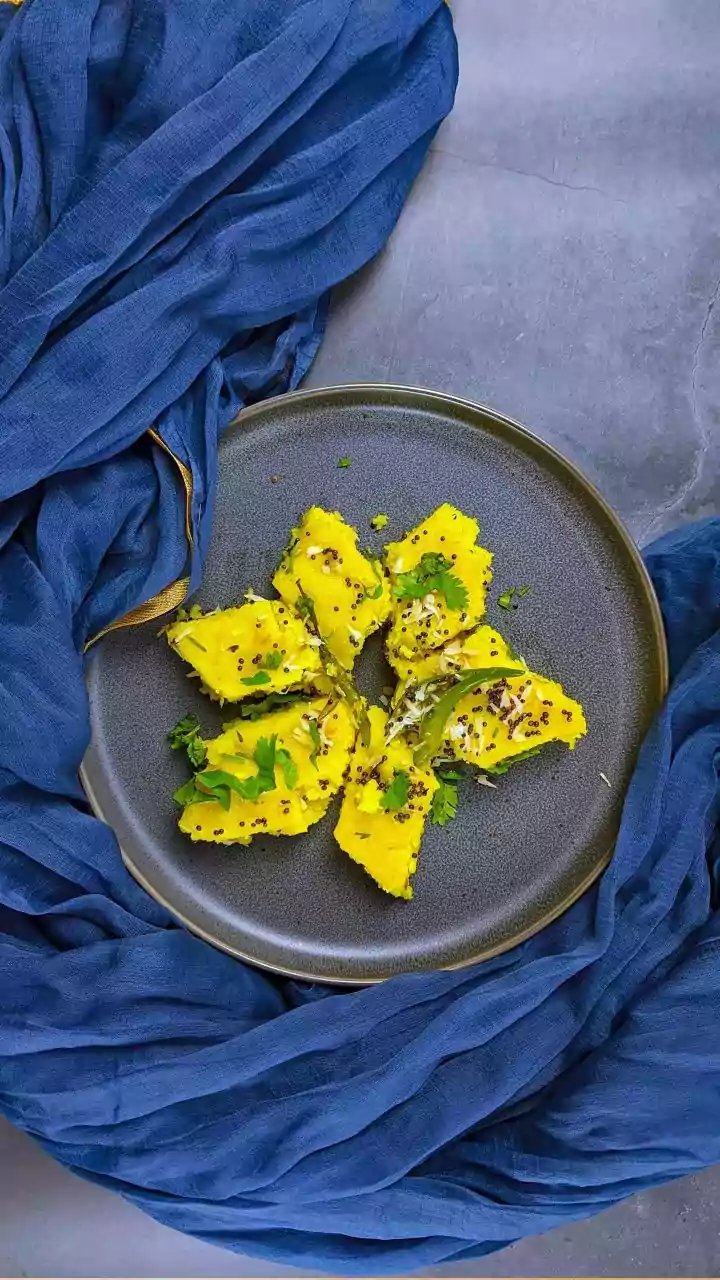
Next, we delve into the world of Dhokla, a beloved Gujarati breakfast snack. Dhokla is made from fermented batter, similar to idli, but is often made with a blend of gram flour (besan) and semolina. The batter is steamed until it becomes light and airy. The final touch involves a tempering of mustard seeds, curry leaves, and green chilies sizzled in oil, which is poured over the dhokla, adding a layer of flavor and aroma. Dhokla is a vegan-friendly and gluten-free choice, making it suitable for a wide range of dietary preferences. The fermentation process in Dhokla lends a slightly sour taste, which, combined with the tempering, creates a delightful blend of flavors. Served with a side of chutney, Dhokla is a nutritious and satisfying breakfast choice. The preparation of Dhokla is straightforward; the batter is steamed until it rises and becomes fluffy. The tempering is what brings out the distinctive flavour. Dhokla's texture is soft and porous, and its mild flavor profile makes it highly versatile to be paired with different chutneys.
Khaman: Savory Steamed
Similar to Dhokla, Khaman is another Gujarati delicacy that graces our list. Khaman differs from Dhokla in that it uses chana dal (split chickpeas) as the primary ingredient. This gives Khaman a denser texture and a slightly different flavor profile compared to its cousin, Dhokla. Khaman is typically steamed until it sets and becomes firm. The tempering process remains similar, with mustard seeds, curry leaves, and often, a pinch of asafoetida (hing) providing a burst of flavour. It's often garnished with fresh coriander leaves and served with chutney. Khaman is known for its savory taste and soft, spongy texture. It's not just a breakfast item; it's a popular snack that is enjoyed throughout the day. Like Dhokla, Khaman is a vegan-friendly option that fits well with various dietary needs. The preparation requires soaking, grinding, steaming, and tempering, similar to Dhokla, though the use of chana dal changes the final characteristics.
Modak: Maharashtrian Sweet
Switching gears to a sweeter option, Modak, a sweet dumpling, is particularly significant in Maharashtra, where it is often made during the Ganesh Chaturthi festival. The outer covering of a Modak is traditionally made from rice flour or wheat flour dough, and the filling is typically a mixture of grated coconut, jaggery, and sometimes, cardamom. These are steamed until cooked through. These soft, sweet dumplings represent prosperity and well-being. The traditional way of preparing Modak involves steaming the dumplings to retain their flavors and to create a soft, melt-in-the-mouth texture. This method of cooking makes it a light yet satisfying breakfast option. This sweet steamed treat is enjoyed not only for its flavour but also for its cultural significance, symbolizing the blessings of Lord Ganesha.
Puttu: Kerala’s Delight
Puttu, a popular breakfast in Kerala, is made from layers of rice flour and grated coconut, which are steamed in cylindrical molds. The combination creates a light and fluffy texture, which makes it an easily digestible and satisfying meal. The rice flour is often coarsely ground, giving the Puttu its distinctive granular texture, while the coconut provides a hint of sweetness and adds to the moistness. Traditionally served with kadala curry (black chickpea curry) or sweetened with palm sugar and bananas, Puttu offers a contrasting mix of flavors. It can be a complete meal, providing carbohydrates, fiber, and healthy fats. The preparation involves layering rice flour and coconut in a puttu kutti (steamer) and steaming it until the rice flour is fully cooked. This simple yet flavorful dish is a staple in many Kerala households.
Idiyappam: String Hoppers
Originating from South India and also popular in Sri Lanka, Idiyappam, often called string hoppers, consists of rice flour noodles that are steamed. The rice flour dough is pressed through a sieve to create thin strands, which are then steamed, creating a soft, delicate texture. This neutral base pairs well with a variety of accompaniments. It is usually served with vegetable stew, egg curry, or even with sweetened coconut milk and jaggery. Idiyappam is easy to digest, which makes it a great choice for those with sensitive stomachs. They are a versatile base that can be customized to suit any taste. The preparation requires rice flour dough to be pressed through a special tool to form the noodle-like strands, which are then steamed until soft. Their mild flavor profile makes them an excellent base for a variety of savoury or sweet dishes.
Momo: Himalayan Steamer
Venturing into the Himalayan region, we have Momos, which are steamed dumplings. These are widely enjoyed in the regions bordering India. The outer layer of the momo is made of dough, and the filling typically consists of vegetables, meat (usually chicken or buffalo), or a combination thereof, seasoned with spices. The momos are steamed until tender, resulting in a juicy, flavorful dumpling. Served with a spicy tomato-based chutney, momos offer a filling and flavorful breakfast or snack option. Although widely associated with street food, momos can also be a nutritious breakfast when homemade. Preparing momos involves preparing the dough, filling the dumplings with the desired ingredients, and steaming them until cooked. This cooking method preserves the natural flavours of both the dough and the filling, making for a delicious and well-rounded meal.
Bati: Rajasthani Staple
Bati, a hard, baked bread ball, is a staple of Rajasthan cuisine, and when steamed, it transforms into a soft and equally delicious breakfast option. The Bati is made from wheat flour dough, often enriched with ghee, which is then baked until golden brown. Steaming the Bati before serving softens it, making it easier to eat and digest. It's usually served with dal (lentil soup) and churma (sweet crumbly dessert), offering a contrast of textures and flavors. This combination offers a balanced meal that is full of nutrition and flavor. Steaming the Bati helps soften it without compromising the texture, which adds a unique dimension to this traditional Rajasthani dish. The preparation involves baking the Bati until it's crisp on the outside, then steaming to soften it before serving with the dal and churma.
Undhiyu: Gujarati Mixed
Undhiyu, a mixed vegetable dish from Gujarat, is another excellent example of steamed breakfasts. Undhiyu is a seasonal dish, which is usually prepared during the winter months. It contains a medley of vegetables like brinjal, potatoes, beans, and other seasonal produce. The vegetables are marinated with spices and then steamed, often in earthen pots (matkas), which provides a unique earthy flavor. Undhiyu is often served with puri or rotis, providing a hearty and flavorful breakfast. The steaming method ensures that the vegetables retain their nutritional value and natural flavors, offering a nutritious and satisfying meal. The preparation of Undhiyu is complex, involving marinating vegetables, layering them in a pot with spices, and steaming them until tender. The process of preparing Undhiyu is not only a culinary practice but also a community event, particularly during festivals.
Kothu Parotta: Street Favourite
Kothu Parotta is a popular street food and breakfast option, originally from Tamil Nadu. While the preparation involves chopping up parotta (layered flatbread) on a hot plate, the cooking process does include some steaming, making it a viable option for our list. The chopped parotta is mixed with vegetables, eggs, or meat, along with a blend of spices. This mixture is stir-fried and steamed until cooked. The resulting dish is flavorful, and filling, perfect for a hearty start to the day. The steaming portion ensures that the dish has a soft texture, which complements the crispiness of the parotta. Kothu Parotta is versatile and can be customized with different toppings to cater to various preferences. The preparation of Kothu Parotta involves chopping the parotta and mixing it with a variety of ingredients. The mixture is then cooked on a hot plate, where a little steaming helps soften the ingredients, making it an excellent breakfast option.