






The AI Adoption Mirage
The corporate world's drive to integrate artificial intelligence is increasingly resembling a theatrical performance rather than genuine innovation. At
Amazon, employees are reportedly engaging in a peculiar practice: assigning tasks to their internal AI, 'MeshClaw,' that hold little to no actual value. This behavior stems from an intense pressure to demonstrate high AI usage, with internal metrics aiming for over 80% of developers to utilize AI tools weekly. Consequently, some individuals are delegating trivial or entirely redundant work to AI agents simply to boost their standing on internal leaderboards and project an image of robust AI adoption. MeshClaw itself is capable of initiating code deployments, managing email triage, and interacting with platforms like Slack, making it a versatile tool. However, its current application seems to be driven by a need to satisfy metrics rather than achieve tangible productivity gains, showcasing a predictable outcome when performance is directly tied to AI engagement.
Performance Theater Over Progress
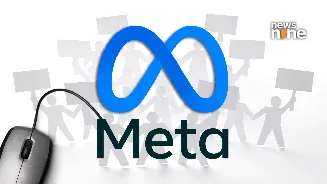
This phenomenon at Amazon is not an isolated incident; it reflects a broader trend where the pressure to adopt AI can lead to artificial engagement. When companies link employee performance and visibility directly to the adoption of AI technologies, it becomes inevitable that some workers will prioritize appearing 'AI-friendly' over achieving genuine productivity. This approach transforms genuine AI integration into a form of workplace theater. Similar issues are surfacing elsewhere; Meta, for instance, has reportedly faced internal dissent from employees troubled by invasive AI training practices, including mouse tracking and monitoring systems within AI development workflows. Furthermore, recent reports indicate that even Meta's own staff struggle to find meaningful ways to incorporate AI into their daily routines, despite aggressive mandates from leadership. The core issue is the disconnect between the mandated adoption and the actual utility, leading to a focus on appearances rather than substantive improvements.
The Escalating Cost of AI
Adding to the absurdity of this AI gold rush is the increasingly apparent fact that some enterprise AI systems are becoming more expensive than human labor. When factoring in token pricing, infrastructure requirements, and the costs associated with scaling these systems, the operational expense can significantly outweigh the expense of employing human workers. Despite this financial reality, companies continue to lay off employees while aggressively pursuing AI adoption metrics. Simultaneously, many AI firms are selling their products at a loss, a strategy aimed at capturing early market share. This unsustainable model, where growth is subsidized, raises concerns about future pricing. Once businesses become deeply reliant on AI workflows and human jobs have been displaced, these pricing models are likely to change dramatically. What is being sold as a productivity revolution could, in reality, be a precursor to another expensive tech bubble, with genuine job displacement occurring in the background.