





Waste to Fuel
In a surprising turn of events, domestic refuse from approximately 5,000 households in Bengaluru is now serving as a vital energy source for a local restaurant.
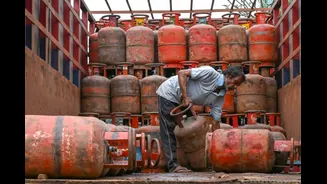
This innovative solution comes at a critical juncture when the state is experiencing a significant scarcity of LPG. Amidst the challenges faced by numerous 'darshinis' and eateries across Karnataka, which are either ceasing operations or reducing their offerings due to the lack of gas cylinders, one establishment in Koramangala, an area known for its high density of dining venues, continues to function without interruption. The key to its resilience lies in the biogas produced from an ongoing initiative that processes everyday household waste into usable fuel. This project, a collaborative effort involving the Bruhat Bengaluru Mahanagara Palike (BBMP) Solid Waste Management Limited (BSWML), Saahas, and Carbon Masters, highlights a sustainable approach to energy generation directly addressing a pressing logistical crisis.
Biogas Plant Innovation
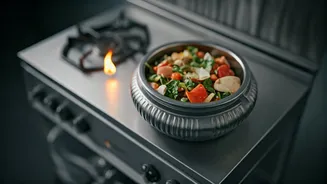
Empire Restaurant, situated in Koramangala's 5th Block, is the primary beneficiary of a local biogas plant that has become indispensable. A senior official from the Greater Bengaluru Authority (GBA) expressed surprise at how household waste has come to their aid, stating, 'We never thought household waste could come to our rescue.' Out of the restaurant chain's 60 outlets, this particular branch stands as the sole operation insulated from the current fuel deficit. For nearly four years, around 80% of this outlet's kitchen activities have been powered by biogas, predominantly sourced from the processing of domestic waste. Shakir Haq, the CEO of the eatery chain, emphasized the strategic advantage of this early adoption of biogas. 'Since it is a direct supply line, we are not facing the disruptions that we are seeing with LPG cylinders. In fact, looking at the current situation, I regret not having pushed this model across more outlets,' he remarked. To further bolster their energy security, they are now exploring a dual-fuel system, aiming to reduce complete reliance on LPG and to ensure the chain can continue operating, potentially offering 10% of its menu, by bulk-cooking at the Koramangala location.
Operational Scale and Impact
The operational scale of the biogas plant is quite significant, according to Som Narayan, co-founder and CEO of Carbon Masters. He explained that their facility employs a straightforward yet effective process to transform wet waste into cooking fuel. The plant has the capacity to generate approximately 25-30 kg of biogas for every tonne of waste processed. Currently, the Empire Restaurant in Koramangala has a daily consumption rate of around 150 kg of this biogas, underscoring its substantial contribution to their energy needs. The ongoing LPG crisis has unexpectedly brought renewed attention to Bengaluru's biogas plants, which have historically received lower priority from civic authorities. Data from BSWML indicates that the city possesses 12 biogas plants with a combined daily production capability of five tonnes. However, only six of these plants are currently operational, with their output primarily utilized for powering streetlights, suggesting a significant untapped potential for waste-to-energy solutions in urban environments.