
Understanding Cold Feet
Cold feet in winter is a prevalent issue, often stemming from reduced blood circulation to the extremities. When temperatures drop, the body prioritizes
keeping vital organs warm, constricting blood vessels in the feet and hands. Factors like poor circulation, inadequate insulation (thin socks or shoes), and even certain medical conditions can worsen the problem. Moreover, prolonged exposure to cold environments exacerbates the issue. Identifying the root causes is the first step towards effective prevention and management of cold feet during the winter season. Understanding this mechanism makes it easier to approach the prevention methods for cold feet. This will ensure that our feet are warm, enabling us to get back to enjoying our days.
Sock Selection Matters
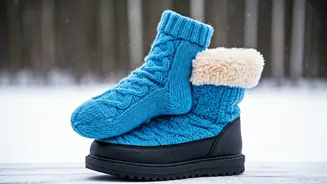
One of the simplest yet most effective ways to combat cold feet is by choosing the right socks. Opt for socks made from wool, which is a fantastic insulator, even when wet. Synthetic materials designed for warmth, like those used in athletic socks, can also work well. Avoid cotton socks in cold weather as they absorb moisture and can make your feet feel colder. Consider layering socks, starting with a thin liner sock to wick away moisture and then adding a thicker, insulating sock on top. Ensure your socks fit properly; socks that are too tight can restrict circulation, while those that are too loose won't provide adequate insulation. Proper sock selection can make a big difference in maintaining foot warmth throughout the winter season, allowing you to venture out without the fear of the winter chill.
Footwear Choices & Fit
Your footwear plays a vital role in keeping your feet warm. Choose insulated, waterproof boots that provide good coverage and protection from the elements. Ensure the boots fit properly, with enough space to wiggle your toes, which is essential for blood circulation. Avoid wearing shoes that are too tight, as they can restrict circulation and worsen cold feet. Consider using insoles, particularly those made of wool or other insulating materials, to add an extra layer of warmth. When possible, opt for boots with a high shaft to protect the ankles and lower legs. Regularly check your footwear for wear and tear, and replace worn-out boots promptly to maintain their effectiveness in keeping your feet warm. Well-chosen and well-fitting footwear is key in ensuring your feet remain warm and comfortable during winter.
Boosting Circulation Naturally
Improving blood circulation is crucial for preventing and treating cold feet. Simple exercises like wiggling your toes, rotating your ankles, and taking short walks can help get the blood flowing. Avoid sitting or standing in one position for extended periods; take regular breaks to move around. Consider using a foot massager or massaging your feet yourself to stimulate circulation. Foods that support healthy circulation, such as those rich in omega-3 fatty acids and vitamin E, can also be beneficial. Staying hydrated is also important; proper hydration supports overall health, including circulation. Implementing these lifestyle adjustments can significantly improve blood flow, keeping your feet warmer and reducing the discomfort of cold feet. Proper blood circulation aids in the feet staying warm.
Lifestyle & Habits
Certain lifestyle adjustments can significantly influence foot warmth during winter. Avoid smoking, as it restricts blood vessels and can worsen circulation. Limit alcohol consumption, as it can initially make you feel warmer but leads to body heat loss later. Maintain a healthy weight; being underweight can reduce the body's ability to retain heat. Stay active, as regular physical activity boosts circulation and keeps your body warm overall. Consider taking warm baths or foot soaks before bed to improve blood flow and prepare your feet for the night. Paying attention to your overall health and adopting healthy habits will not only improve your general well-being but will also help keep your feet warm during the colder months, making the winter more enjoyable.
Home Remedies & Practices
Several home remedies can bring immediate relief to cold feet. Applying a warm compress or taking a warm foot bath can quickly increase warmth. Try adding Epsom salts to your foot bath to relax muscles and improve circulation. Drinking warm beverages like herbal tea or warm water with lemon can also help warm your body from the inside out. Using a foot warmer or electric blanket, particularly at night, can prevent cold feet from disrupting your sleep. Incorporate gentle exercises such as cycling or yoga poses that improve circulation, which can also help keep your feet warm. Implementing these simple home remedies will provide quick relief and contribute to a more comfortable winter experience, preventing cold toes from ruining your day.