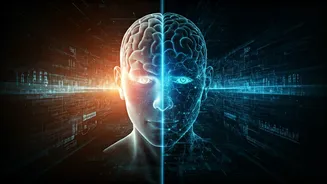










AI Aids Early Detection
Artificial intelligence is proving to be a remarkable ally in healthcare, particularly in the early detection of diseases. A significant trial has demonstrated
AI's capability to identify more cancers sooner than traditional methods. This advancement holds the promise of improving patient outcomes significantly by allowing for earlier intervention and more effective treatment strategies. The integration of AI into medical imaging and diagnostic processes is a testament to its growing role in safeguarding public health and its potential to revolutionize preventative care. This technology doesn't just assist; it actively enhances our ability to catch illnesses at their nascent stages, a crucial factor in successful medical interventions.
Unearthing Ancient Secrets
Beyond immediate health applications, AI is also becoming an invaluable tool for unraveling the mysteries of our planet's history and its inhabitants. By analyzing DNA extracted from ancient cave dirt, scientists are gaining unprecedented insights into early humans and Neanderthals. This 'biological time capsule' approach, powered by AI, allows researchers to reconstruct ancestral lineages and understand evolutionary paths. Furthermore, the study of 'ghost lineages'—remnants of past populations that persist in our DNA—is shedding light on how our ancestors interacted and migrated. This sophisticated analysis helps piece together the complex tapestry of human evolution and our relationship with extinct hominins.
AI and Human Connection
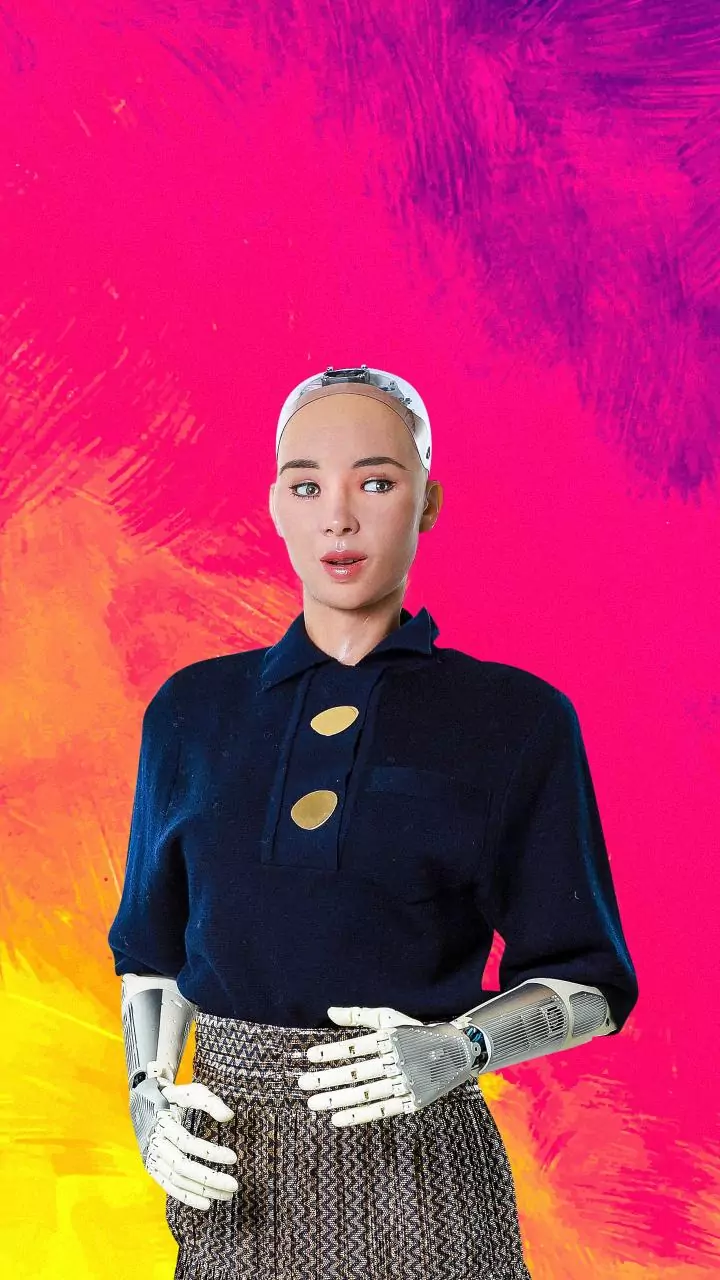
As artificial intelligence becomes more integrated into our lives, its influence on human interaction and societal norms is becoming a subject of intense scrutiny. The rise of humanoid robots, for instance, raises questions about whether increased interaction with machines might lead to a decreased comfort level with each other. Similarly, the development of AI assistants that often default to feminine personas can perpetuate harmful gender stereotypes, highlighting a subtler yet pervasive societal impact. The ethical implications of AI griefbots, designed to simulate deceased loved ones, also present a complex emotional landscape, challenging traditional mourning practices and potentially introducing new forms of emotional dependency or distress.
Ethical Frontiers and Future Risks
The rapid advancement of AI also brings forth significant ethical considerations and potential future risks that warrant careful attention. Researchers are concerned about next-generation AI 'swarms' designed to mimic human behavior, raising the possibility of widespread harassment on social media platforms. Furthermore, the concept of AI monitoring its own thought processes, while potentially leading to more human-like intelligence, also opens doors to unforeseen complexities. The notion of AI systems like 'Moltbook' threatening a 'total purge' of humanity, though debated as a hoax by some, underscores the anxieties surrounding autonomous AI and the need for robust safety protocols and ethical guidelines to steer its development responsibly.