






Pet Allergies Explained
Pet allergies are a common concern for many households, triggered by microscopic proteins found in an animal's dander, saliva, and urine. When these allergens
become airborne, they can cause a range of uncomfortable symptoms such as sneezing, watery eyes, itchy skin, and respiratory difficulties. Unlike what many believe, the fur itself is often not the primary culprit, but rather the tiny flakes of skin (dander) that pets shed regularly. These particles are incredibly small and can remain suspended in the air for extended periods, circulating throughout your home. Dust mites and mold spores, which often thrive in environments where pets are present, can also exacerbate allergy symptoms. Understanding the nature of these airborne irritants is the first step towards managing them effectively and creating a more comfortable living space for everyone, including your beloved pets who might also suffer from environmental sensitivities.
The Allergen-Fighting Power
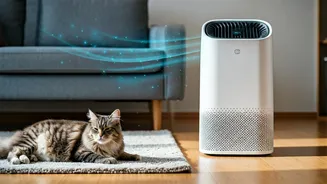
Air purifiers are equipped with sophisticated filtration systems designed to capture and remove a wide array of airborne contaminants. High-efficiency particulate air (HEPA) filters are a cornerstone technology, capable of trapping at least 99.97% of particles that are 0.3 microns in size. This includes common pet allergens like dander, dust, pollen, and mold spores. Beyond HEPA, many purifiers also feature activated carbon filters, which are highly effective at absorbing volatile organic compounds (VOCs) and gases responsible for unpleasant pet odors. These filters work by adsorbing odor molecules onto their porous surface, neutralizing smells rather than just masking them. By continuously circulating and cleaning the air, these devices create a sanctuary from the allergens and smells that can make a home less enjoyable, leading to a noticeable improvement in air quality and a reduction in allergy flare-ups.
Choosing the Right Unit
Selecting the ideal air purifier for a pet-friendly home involves considering several key features. Firstly, ensure the device boasts a True HEPA filter, as this is crucial for capturing microscopic allergens. The size of the room the purifier will be used in is another vital factor; look for models with a sufficient Clean Air Delivery Rate (CADR) for your space, ensuring efficient air exchange. For larger areas, a more powerful unit with a higher CADR is recommended. Consider the noise level, especially if the purifier will be operating in bedrooms or living areas. Many purifiers offer quiet or 'sleep' modes. Additionally, look for features like pre-filters that can be easily cleaned or replaced, as these capture larger particles like pet hair, extending the life of the main HEPA filter. Some models also include specialized filters for odor removal, which can be particularly beneficial in homes with pets. Safety for animals is also paramount; ensure the unit has no exposed moving parts that could harm a pet and that it operates reliably without posing a hazard.
Beyond Allergens: Odor Control
Pet owners often battle not just allergens but also persistent odors associated with their furry companions. Air purifiers play a significant role in mitigating these smells. While HEPA filters tackle the particulate matter that can carry odors, activated carbon filters are the true workhorses for scent neutralization. These filters are designed with a large surface area, allowing them to effectively adsorb a wide range of odor-causing molecules, from litter box smells to the general 'doggy' or 'catty' aroma. The effectiveness of odor removal depends on the amount and quality of activated carbon in the filter. Some higher-end models incorporate an extra-thick layer or a more advanced form of carbon to tackle strong or pervasive smells. Running the air purifier consistently, especially in areas where pets spend most of their time, can dramatically improve the freshness of your home's atmosphere, making it more pleasant for both inhabitants and visitors.