






An Ancient Celestial Event
The Lyrids meteor shower, a phenomenon with one of the longest recorded histories, is set to grace the night sky once again in 2026. This annual event
occurs when Earth passes through the cosmic debris trail left behind by Comet C/1861 G1 (Thatcher). This ancient comet embarks on a lengthy journey, taking approximately 415.5 years to complete a single orbit around the sun, having last been in the inner solar system in 1861 and not due to return until around 2276. The Lyrids officially span from April 14 to April 30, with their most active period anticipated in the early morning hours of April 22, 2026. During this peak, astronomers expect a rate of roughly 10 to 20 meteors per hour, offering a captivating spectacle for observers fortunate enough to have clear skies.
Optimal Viewing Conditions
Astronomical timing for the 2026 Lyrid meteor shower is remarkably favorable, promising an exceptional viewing experience. The new moon occurs on April 17, 2026, meaning that by the time the Lyrids reach their zenith on April 22, the moon will be a mere sliver, setting well before dawn. While the moon might be visible briefly after sunset on April 22, it will be setting in the west as the radiant point in the constellation Lyra ascends in the east, ensuring minimal light interference. This rare combination of a moonless or nearly moonless sky dramatically enhances the visibility of fainter meteors, including those elusive fireballs that characterize the Lyrids, making it an ideal opportunity for an unobstructed celestial show.
Spotting the Shooting Stars
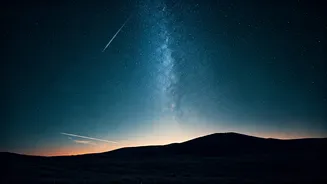
To maximize your chances of witnessing the Lyrids meteor shower in 2026, finding a location far from urban light pollution is paramount. Seek out a spot with an unobstructed view of the night sky and allow your eyes at least 20 minutes to adapt to the darkness. While the shower's radiant point is situated in the constellation Lyra, meteors can appear anywhere across the sky. Although the Lyrids are not as numerous as some other major showers, like the August Perseids or December Geminids, they are celebrated for their brilliant "fireball" meteors, which often leave behind glowing trails that persist for a few moments. These visual highlights, coupled with the potential for occasional unexpected bursts of activity, make the Lyrids a unique and rewarding celestial event to observe.
Tips for an Enhanced Experience
For an optimal Lyrid meteor shower experience in 2026, several practical tips can significantly enhance your viewing pleasure. Firstly, always check the weather forecast to ensure clear skies; clouds can easily obscure the celestial display. Prepare for comfort by bringing a blanket or a reclining chair, allowing you to relax and gaze upwards without strain. Patience is key, as meteors appear unpredictably. Embrace a relaxed attitude; the joy of meteor shower viewing lies in anticipation and unexpected discoveries. While professional photography requires specialized equipment, the Lyrids are best appreciated with the naked eye, offering a direct and awe-inspiring connection to the cosmos. Remember that for those in the Northern Hemisphere, the prime viewing window will be in the pre-dawn hours, while observers in the Southern Hemisphere might find the meteors appearing lower on the horizon.