




Lunar Impact Spectacle
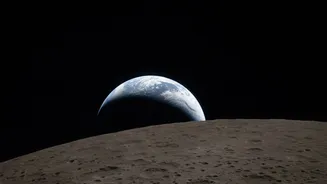
During the groundbreaking Artemis II flyby, a unique celestial event unfolded as the crew traversed the lunar far side. With the Moon obscuring the Sun,
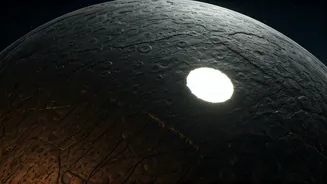
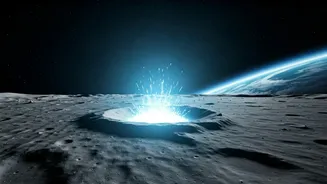
creating an extended period of total darkness, the astronauts were afforded an unparalleled view of the lunar surface. Against this inky backdrop, they observed a series of at least four, and potentially up to six, millisecond-long flashes. Commander Reid Wiseman's excited radio transmissions to mission control confirmed these were indeed impact flashes from meteorites striking the Moon. The exhilaration was palpable, with science officer Christina Koch expressing awe from Earth, and reports of 'audible screams of delight' from scientists at a subsequent press conference. This visual confirmation of lunar impacts, especially during a total eclipse, provided a dramatic and undeniable spectacle, fueling immediate scientific efforts to correlate these astronaut observations with data from lunar orbiters.
Moonquakes and Impact Energy
Beyond the visual spectacle, these meteorite impacts generate shock waves that travel through the Moon, causing 'moonquakes.' Analyzing these seismic events, when recorded by seismometers, offers crucial insights into the energy and potential destructiveness of each impact. While Apollo astronauts also reported impact flashes, many occurred too far from their operational seismometers to be registered. Nevertheless, Apollo-era instruments detected approximately 1,700 impact-related moonquakes, some of which were powerful enough to dislodge large boulders and even cause crater walls to collapse. This poses a significant risk to future lunar habitats. The absence of active seismometers during the Artemis era highlights the importance of future robotic missions, planned to deploy such instruments, to enhance our understanding of these phenomena.
Future Lunar Exploration Needs
The prospect of establishing a sustained human presence on the Moon, as envisioned by the Artemis program, necessitates a thorough understanding of potential hazards, including meteorite impacts. Scientists like Nicholas Schmerr emphasize the critical need for knowing about nearby impacts, especially those that might affect vital infrastructure. The integration of astronaut visual observations with data from seismometers, telescopes, and orbiters will be key to precisely locating these impact events and tracking their consequences. This combined approach will allow for better refinement of estimates regarding the frequency of asteroid and comet debris striking the lunar surface. Furthermore, larger impacts can excavate deep subsurface material, revealing otherwise inaccessible lunar geology and potentially exposing ice deposits in polar regions, which could be vital for future life support and rocket fuel.
Unlocking Solar System History
The study of lunar impacts extends far beyond immediate safety concerns for future astronauts. By analyzing samples returned from Artemis landing sites, researchers can identify the types of meteorites impacting the Moon and trace shifts in their composition over approximately 4 billion years of solar system history. These impacts are fundamental to understanding the evolution of the lunar surface, as they produce and modify the very soil that future explorers will traverse. The data gathered from events like those observed by Artemis II, when combined with orbital data, will help refine models of impact frequency, meteorite mass, and the formation of new craters. This comprehensive approach promises to unlock deeper insights into the dynamic history of our solar system and the processes that have shaped celestial bodies over eons.