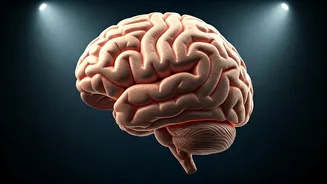

Brain Damage: Alcohol's Grip
Emerging research is definitively linking alcohol consumption to notable brain alterations, irrespective of the quantity consumed. Studies indicate that
even the equivalent of a single alcoholic beverage daily can set off a cascade of neurological changes, especially concerning brain structure. These findings underscore the importance of understanding the insidious effects of alcohol on brain health. Specifically, magnetic resonance imaging (MRI) is used to detect the altered brain structure, providing critical visual evidence of alcohol's influence. Further research indicates that prenatal exposure to alcohol can significantly alter a developing fetus's brain structure. These results emphasize that the impact of alcohol is not confined to individuals but may significantly affect future generations, impacting the way alcohol affects brain wiring and influencing behavior patterns for an entire lifetime. The presence of these changes highlights the potential long-term risks associated with alcohol consumption at any level.
Wiring Rewiring: Addiction Begins
Alcohol's impact on the brain goes far beyond just physical structural changes. Science suggests alcohol's effects are often associated with addictive behaviours. Researchers have discovered the brain may be wired for drinking even before the first sip, influencing alcohol's rewarding effect on people. The brain mechanisms behind compulsive alcohol use have been a subject of intensive study. This research focuses on the specific brain regions and sets of neurons that regulate alcohol consumption. They have been found to be intricately involved in the reward pathways, which increase the risk of addiction. Scientists have discovered that alcohol's influence on these neural circuits contributes to a heightened propensity for substance abuse. These insights are crucial for creating effective treatment strategies and promoting proactive methods for alcohol-related addiction, helping individuals recognize the risks of alcohol exposure and the possible negative impact on their lives.
Alcohol and Behavior
The effect of alcohol on the brain’s structure and functionality deeply impacts behavior. The research shows a clear link between prenatal alcohol exposure and behavioral changes that persist throughout life. This is reflected in altered brain wiring and the resulting behavioural impacts that show throughout life. This research found how consuming alcohol during pregnancy can profoundly affect the brain's formation, which contributes to subsequent behavioural difficulties and even other disorders. The research delves into the specific brain mechanisms and neural pathways affected by alcohol, showing how these changes can lead to compulsive alcohol consumption. These findings have the potential to influence how both individuals and communities address alcohol use and its devastating consequences. This shows that understanding alcohol’s impact on the brain is critical to developing more effective prevention and intervention strategies.
Daily Drinks & Risks
The evidence points to a strong correlation between even moderate alcohol consumption and increased health risks. New studies indicate that just one alcoholic drink a day is associated with structural changes in the brain, including a decrease in brain volume. This finding challenges the concept of 'safe' levels of drinking and highlights the necessity of reviewing current health recommendations. Alcohol consumption activates specific sets of neurons in the brain, which in turn influences the amount an individual drinks, which can quickly lead to addiction and other health problems. The effects of alcohol on the brain can be subtle yet far-reaching, setting the stage for addictive behaviours. This is a critical factor for people who consume alcohol to consider, as this can lead to numerous health issues. The study highlights the necessity of rethinking alcohol's place in daily life and health promotion.