





The Fit Man's Shock
A striking case emerged from Hyderabad, featuring a 37-year-old man who adhered strictly to a healthy lifestyle. This individual diligently ran 5 kilometers
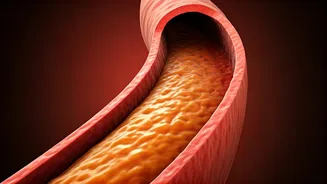
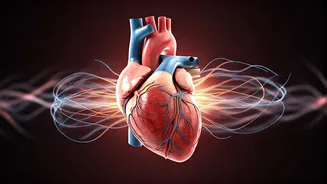
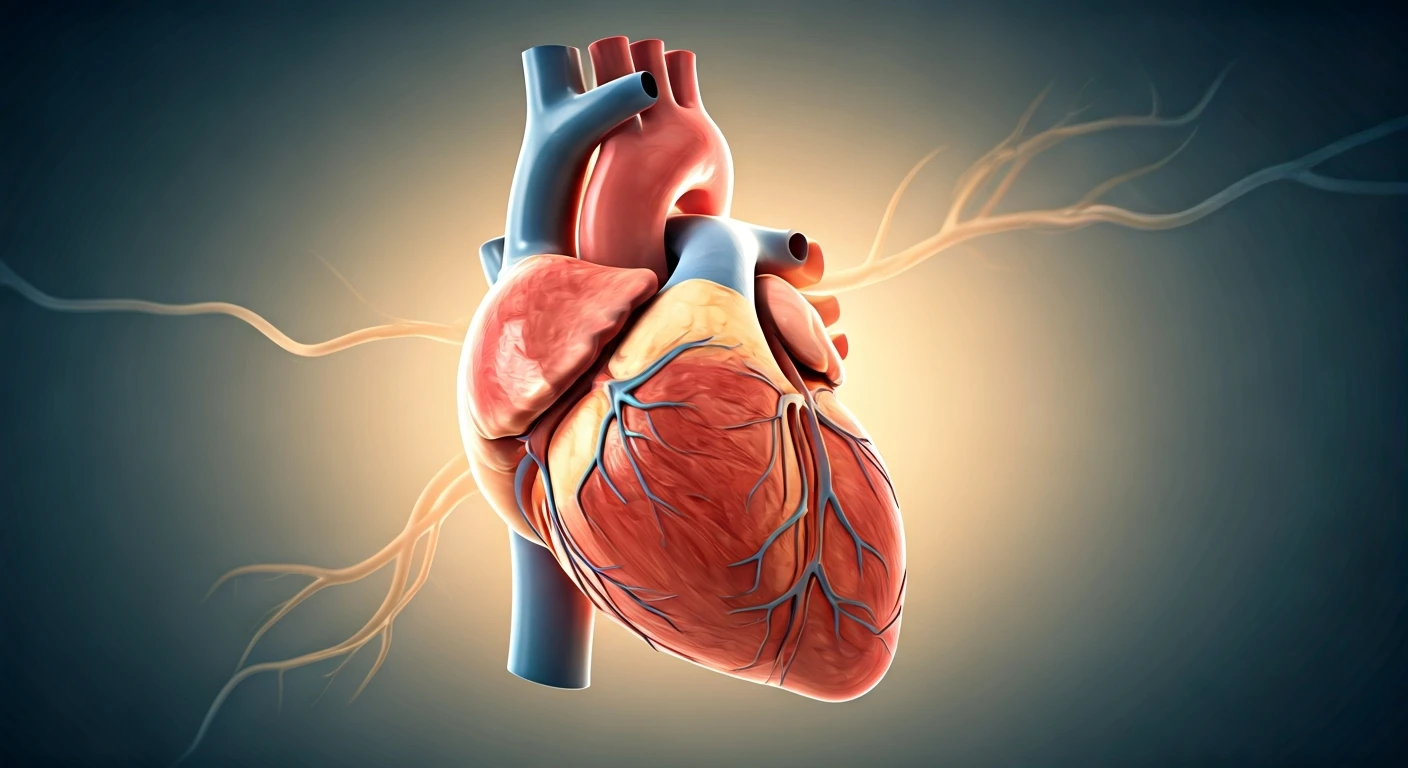
every single morning, abstained from processed foods and junk, maintained good sleep habits, and had no history of vices like smoking or excessive drinking. Despite this exemplary commitment to well-being, he recently experienced chest discomfort and left arm pain, leading to an urgent cardiac catheterization. The procedure revealed significant blockages in two major coronary arteries, necessitating the placement of two stents. This scenario challenges the conventional understanding that a physically active lifestyle devoid of obvious unhealthy habits is a complete shield against serious heart conditions, prompting a deeper look into contributing factors beyond basic fitness metrics.
Unseen Genetic Threats
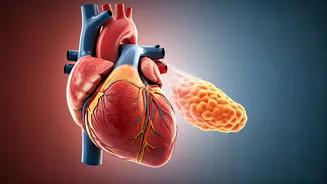
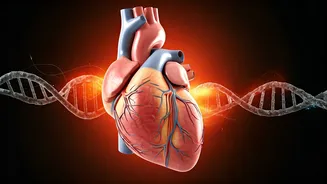
The primary culprits often lie in elements that are not apparent through routine health checks. A significant, yet frequently unaddressed, risk factor is a family history of early heart disease. Cardiologists highlight that if a father or uncle experienced heart issues at a younger age, an individual's own risk can multiply by two to three times, irrespective of their current fitness level, body composition, or activity patterns. Another critical, genetically determined factor is Lipoprotein(a), often referred to as 'Lp(a)'. This specific type of cholesterol is not typically included in standard lipid profiles. High levels of Lp(a) can lead to the accelerated buildup of plaque within arteries, even when 'good' and 'bad' cholesterol levels appear to be within the normal range. Its genetic nature means it can affect even lean and active individuals without any overt symptoms, making it a silent and potent contributor to cardiovascular risk.
Stress, Sleep, and Inflammation
Beyond genetics, the modern corporate lifestyle introduces multifaceted challenges to cardiovascular health that even vigorous exercise cannot entirely mitigate. Chronic and high levels of stress, common in demanding work environments, significantly impact the body. Stress elevates adrenaline and cortisol, leading to increased blood pressure, heightened inflammation throughout the body, and the formation of micro-plaques in the arteries. Furthermore, the quality of sleep is paramount. Inadequate or interrupted sleep, particularly when combined with prolonged exposure to screens late into the night, creates metabolic strain. This poor sleep hygiene can disrupt hormone balance, increase blood thickness, and destabilize existing arterial plaque. Inflammation, measured by markers like CRP (C-reactive protein), is another hidden enemy. Many individuals who appear physically fit may harbor underlying inflammation, which accelerates arterial damage, a condition often missed in standard medical evaluations.
Revisiting Fitness Beliefs
It's crucial to reassess the scope of fitness and its direct correlation with arterial health. While daily running and a clean diet are undeniably beneficial for overall well-being and endurance, they do not provide an absolute guarantee against the development of blocked arteries. Heart disease is a complex interplay of several factors. As Dr. Ali aptly summarized, it's a combination of genetic predisposition, lifestyle choices (including diet and exercise), the presence of inflammation, the impact of stress, and the quality of sleep, all contributing to metabolic health. Therefore, relying solely on physical activity as a preventive measure is insufficient. A holistic approach that considers these interconnected elements is essential for comprehensive heart protection.
Essential Advanced Tests
To gain a more complete understanding of cardiovascular risk, particularly for individuals over the age of 25 in India, several advanced diagnostic tests are recommended beyond routine check-ups. These include Lipoprotein(a) (Lp(a)) and HS-CRP to assess inflammation, ApoB and HbA1c to evaluate cholesterol and blood sugar control, and Fasting Insulin and Homocysteine, which offer insights into metabolic health and clotting factors. Vitamin D levels are also important for overall health. For those experiencing symptoms, a TMT (treadmill test) can be indicative. Crucially, individuals over 35 should consider a Coronary Calcium Score, a non-invasive scan that can detect early signs of plaque buildup in the arteries, even before symptoms manifest, providing a critical early warning system.