





Initial Developments & Timeline
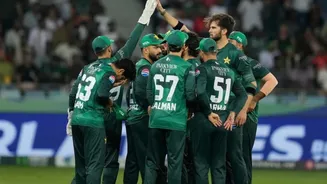
The unfolding drama began with Pakistan's initial considerations regarding their match against India in the T20 World Cup. Discussions turned serious,
quickly escalating into decisive actions. A timeline reveals how the situation developed, starting with whispers of potential boycotts. These murmurs solidified as government involvement escalated, eventually culminating in Pakistan's official announcement. Key players in both Pakistan and India, along with global cricket bodies, have since voiced their perspectives, shaping the ongoing narrative. The boycott decision was not made overnight; it was a process influenced by a series of events and strategic evaluations by the involved parties.
Government Influence & Decisions
A pivotal aspect of this situation revolves around the involvement of the Pakistani government. With the government’s influence, decisions were made that directly impacted the cricketing relationship. The government's stance quickly became clear, solidifying the likelihood of a boycott. This support underscored the gravity of the decision, reflecting the political dynamics that influenced the sporting world. The government's decisions included setting clear guidelines, which ultimately led to the official directive to boycott the match. This also highlights the intricate connections between sports and state affairs, which can alter international sporting events.
ICC & BCCI Reactions
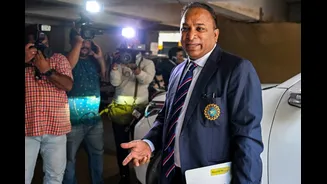
The International Cricket Council (ICC) and the Board of Control for Cricket in India (BCCI) play key roles in the response to Pakistan's actions. The ICC, as the governing body, issued warnings about potential consequences. The BCCI, through its vice president, has expressed complete alignment with the ICC's position. Both organizations are closely monitoring the situation. The responses from these governing bodies are crucial in determining the path forward, potentially impacting future matches. Their actions underscore the need for consistency in enforcing the rules of the game and addressing political interference in sports.
Player & Captain's Views
The viewpoints of those involved in the game are essential for understanding the overall sentiment. Pakistan's captain acknowledged the situation. His remarks reflected the complexities facing the team and the limitations of their power, with statements such as, 'Hum kuch nahi kar sakte.' This shows the challenges players experience. On the other hand, Rashid Latif, in an exclusive interview, added to the speculation by stating, 'In 24 hours, anything is possible,' thereby adding an element of uncertainty. The words of both the captain and Rashid Latif highlight the internal dynamics that underpin such major decisions. Their commentary helps shape the public understanding of the events.
Potential Consequences & Outcomes
The boycott could have several consequences for Pakistan. One major impact is the possibility of a walkover victory for India, highlighting the direct impact on the tournament's standings. The ICC's warnings about consequences imply potential sanctions or penalties. The political implications could also affect future cricketing relationships between the two countries. The situation could set a precedent for other nations, thereby affecting the landscape of sports globally. The potential ramifications also go beyond the World Cup, possibly impacting broader diplomatic relations and international sporting events in the future.