








Summer AC Fire Risks
As temperatures soar, air conditioner fires become a significant concern. These incidents often stem from AC units working overtime during the hottest
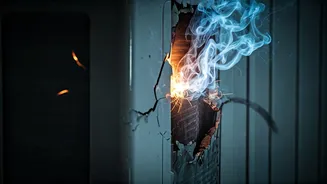
months. Prolonged usage puts immense strain on internal components like wiring, filters, and compressors. When systems lack proper maintenance, this continuous stress can lead to overheating or electrical malfunctions, escalating the risk of a fire. Factors like accumulated dust, obstructed airflow, and inadequate ventilation exacerbate these dangers. Many seemingly minor issues, if left unaddressed, can escalate into major problems, particularly when the AC is pushed to its limits during peak summer heat. Understanding these underlying causes is the first step toward preventing such hazardous situations and ensuring the safe operation of your cooling equipment throughout the season.
Key Fire Prevention Factors
Several elements contribute to AC malfunctions and the potential for fires. Dirty air filters are a primary culprit; they impede airflow, forcing the AC to exert more effort, which can lead to overheating and an increased fire hazard. Similarly, blocked vents, whether obstructed by furniture or other items, restrict proper air circulation. This not only leads to inefficient cooling but also places undue pressure on the system. Electrical issues, including loose wiring, faulty connections, or suboptimal installation, are critical as they can trigger short circuits or dangerous overheating. Setting your AC to excessively low temperatures for extended periods can also strain the unit, causing it to overheat. Furthermore, an AC unit that is improperly sized for the room—either too large or too small—may cycle on and off frequently, accelerating wear and tear and increasing the risk of failure. Finally, poor room insulation allows cool air to escape, compelling the AC to work harder and potentially overheat over time.
Spotting Warning Signs
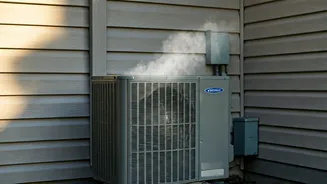
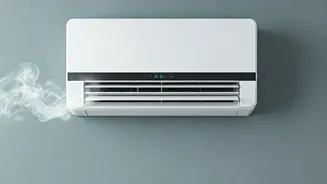
Air conditioning systems often provide clear indicators before a serious failure occurs, and recognizing these early warning signs is crucial for preventing potential fires. A burning smell emanating from the unit or visible smoke is a direct sign of overheating or an electrical fault that requires immediate attention. Unusual noises, such as grinding, buzzing, or rattling, can point to loose or damaged internal parts that might be causing friction or instability. A system that frequently cycles on and off, rather than maintaining a steady cooling rhythm, can signal underlying internal issues that put stress on the components. Additionally, weak or uneven cooling throughout the room might indicate a problem with blocked airflow or a system malfunction. Ignoring these symptoms can significantly increase the likelihood of severe damage or a fire incident.
Installation's Crucial Role
The proper installation of an air conditioner is paramount in mitigating the risk of AC-related fires. Even a high-quality unit can become a safety hazard if not installed correctly. Many fire incidents can be traced back to issues that arise during the installation phase, such as inadequate wiring, incorrect placement, or insufficient ventilation. Electrical safety is a primary concern, as ACs consume substantial power; they must be connected to a dedicated circuit with appropriate wiring, grounding, and a stable power supply. Substandard connections, low-quality wires, or the use of shared electrical outlets can lead to overheating and short circuits. The physical placement of the unit also plays a vital role: for window ACs, a poor fit or obstructed rear ventilation can trap heat, while for split ACs, housing the outdoor unit in a confined, poorly ventilated area can cause the compressor to overheat. Correct sizing and load calculation are equally important; an AC that is too small will constantly overwork, and one that is too large may cycle excessively, both stressing the system and increasing failure risks. Additionally, improper installation can compromise drainage and airflow, leading to water leaks or blockages that can damage internal components and elevate the chance of electrical faults. Thus, entrusting installation to trained technicians who adhere to safety standards is essential for both performance and fire prevention.
Optimizing Cooling Performance
Enhancing your air conditioner's cooling efficiency not only ensures comfort but also reduces strain and potential fire risks. Setting the thermostat between 24°C and 26°C is the most energy-efficient range; running the AC at lower temperatures compels the compressor to work harder, increasing power consumption and wear. Government recommendations often cite 24°C as ideal for both comfort and efficiency. Using ceiling fans alongside your AC helps distribute cool air evenly, allowing you to raise the thermostat by a degree or two without noticing a difference, thereby reducing the AC's workload and electricity usage. It's also advisable to avoid using heat-generating appliances like microwaves, ovens, or irons during the hottest parts of the day, as this forces the AC to work harder to counteract the added heat. Switching off lights when not needed also contributes to a cooler environment. For older units, consider upgrading to Energy Star-rated ACs with a BEE 5-star rating; while the initial cost may be higher, their superior efficiency leads to significant long-term savings on electricity bills and a longer operational life. For smaller rooms, a 1-ton 5-star AC can offer effective cooling with reduced power usage.
Maintenance and Smart Usage
Regular maintenance and intelligent usage patterns are key to ensuring your AC functions safely and efficiently, minimizing fire hazards. Cleaning your AC's air filters is critical; these should be cleaned every two weeks or whenever a filter-cleaning reminder appears on the display. Dusty filters obstruct airflow, making the AC work harder and reducing its cooling capacity, potentially increasing energy use by up to 15%. The cleaning process involves sliding the filter out, gently removing dust with a soft brush or vacuum, soaking it in a mild detergent solution, rinsing, and allowing it to air dry completely before reinstallation. Modern ACs offer smart features like Sleep Mode, which adjusts temperature automatically for energy savings during the night, and Timers, which allow you to schedule shut-off times, preventing unnecessary operation. Eco Mode helps maintain moderate cooling while reducing compressor usage. Keeping rooms sealed and shaded is also vital: use thick curtains to block sunlight and seal gaps in doors and windows to prevent hot air ingress, which makes the AC work harder. Finally, scheduling annual maintenance checks, including gas level inspection, condenser coil cleaning, and electrical connection checks, ensures the AC operates optimally and safely.
Window AC Safety Focus
Window air conditioners require specific attention to safety due to their all-in-one design. Ensuring a secure and slightly outward-tilted installation is crucial for proper drainage, preventing water buildup that could lead to electrical issues. It's imperative to keep both the front and rear sides of the unit unobstructed to allow for efficient heat dissipation; blocking airflow can cause overheating. Frequent cleaning of filters is essential, as clogged filters restrict airflow and can contribute to overheating. Window ACs should always be connected to a dedicated power source, and the use of extension cords should be avoided to prevent electrical strain. Users must remain vigilant for signs of overheating, such as excessive heat emanating from the unit or a burnt smell, and switch it off immediately if detected. Maintaining the surrounding area dust-free also helps prevent dust accumulation within the unit's internal components, which can compromise its function and increase fire risk.
Split AC Safety Considerations
Split air conditioning systems, comprising an indoor and an outdoor unit, present unique safety considerations. Proper installation is paramount, particularly regarding the electrical connections between the two units. Ensuring adequate ventilation for the outdoor unit is critical; placing it in a confined or poorly ventilated space can lead to compressor overheating, a significant fire risk. Regular checks of the wiring connecting the indoor and outdoor components are important to detect any signs of wear or damage that could lead to electrical faults. Refrigerant leaks should also be addressed promptly, as they can indicate system issues that might affect safety. Like window ACs, split systems also benefit from clean filters and general unit cleanliness to maintain optimal airflow and prevent overheating. While the split design helps manage indoor heat better, diligence in inspecting all components, especially the outdoor unit and inter-unit wiring, is essential for preventing fires.