





Global Launch Network
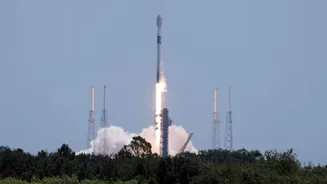
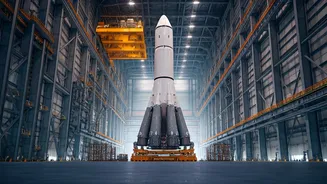
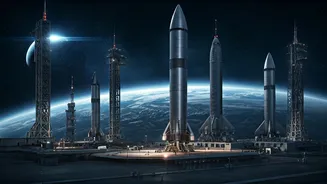
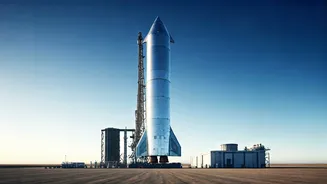
SpaceX is actively exploring numerous sites, both within the United States and internationally, to construct state-of-the-art spaceports. This strategic
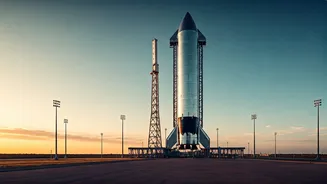
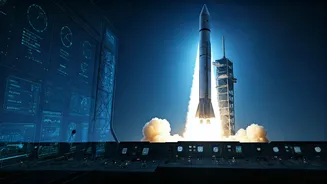
expansion is driven by the ambitious goal of enabling thousands of Starship launches annually. The vision extends beyond simple satellite deployment; it encompasses regular travel to the Moon and, eventually, Mars. This network of facilities is crucial because even fully reusable rockets require substantial time for inspections, refueling, and rigorous safety checks between missions. A single location would be overwhelmed by the proposed launch cadence, making a distributed system of specialized spaceports a necessity for achieving SpaceX's lofty aspirations for frequent space access. The concept is to transform space launches from rare, complex events into a more routine, high-volume operation.
From Texas to the Stars
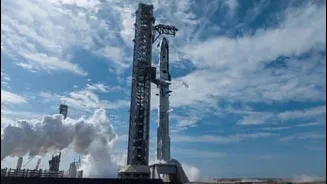
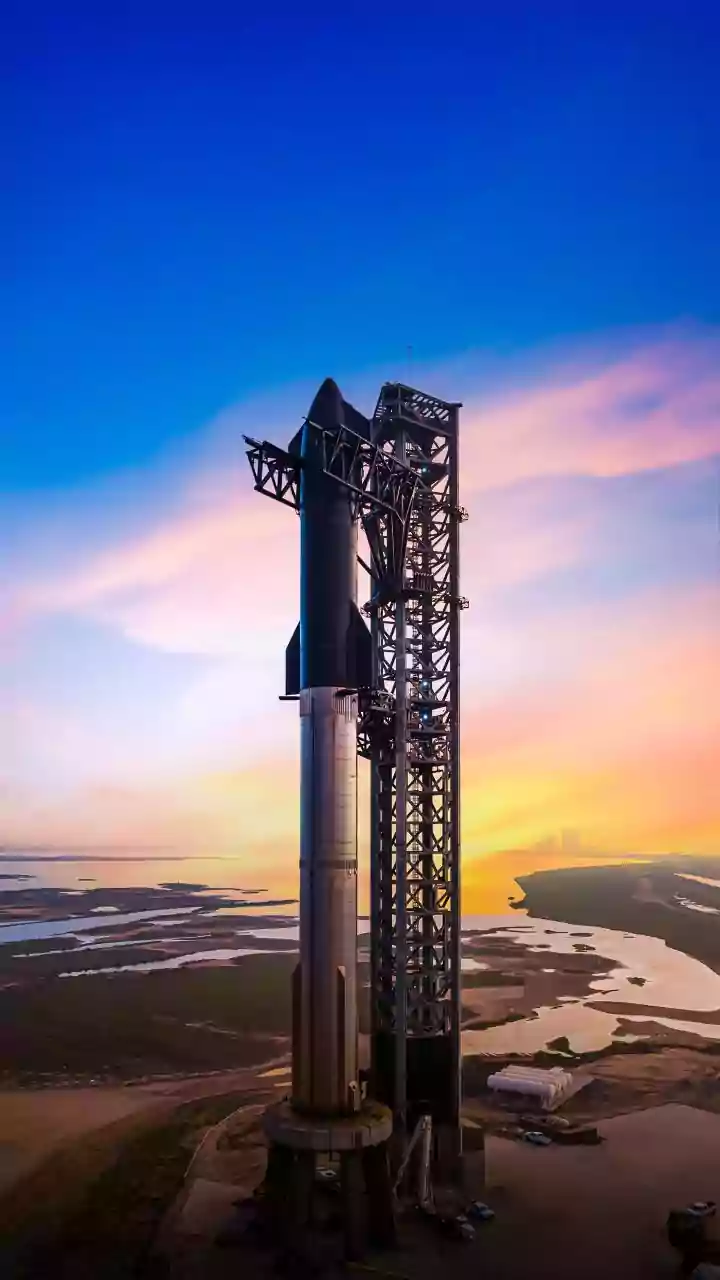
Currently, the heart of SpaceX's Starship operations is its Starbase facility in Texas. This site has seen rapid development and continuous upgrades to accommodate the increasing scale of testing and launches. Alongside this Texas hub, significant progress is being made in Florida, where SpaceX is developing Space Launch Complex-37 at Cape Canaveral Space Force Station specifically for Starship. This Florida location is slated to play a vital role in future missions, including those under NASA's Artemis program. Furthermore, plans suggest that Florida might host more than one Starship launch pad. This redundancy offers critical advantages, providing a backup system and allowing for simultaneous flights, which becomes essential as the frequency of launches escalates dramatically, moving closer to Elon Musk's vision of spaceflight resembling airport operations.
Transforming Space Access
The Starship rocket, designed to carry over 100 metric tons to orbit, is central to SpaceX's future endeavors, including large satellite constellations and interplanetary exploration. However, the true revolution lies not just in the rocket itself, but in the foundational infrastructure supporting it. The development of these worldwide spaceports signifies a paradigm shift, where access to space will no longer be confined to a few specialized launch centers. Instead, it will become accessible from numerous locations globally. While this expansion promises unprecedented opportunities, experts caution about the inherent complexities. Establishing and managing multiple high-frequency launch sites presents significant technical, regulatory, and environmental hurdles that must be carefully navigated for this vision to materialize.