







Helium's Unsung Role
The sophisticated chips powering our smartphones and laptops rely on a gas that rarely makes headlines: helium. A recent geopolitical incident, involving
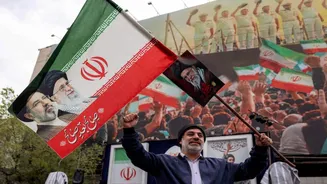
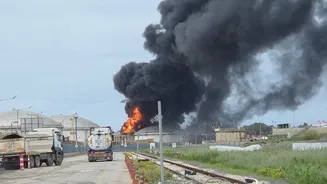
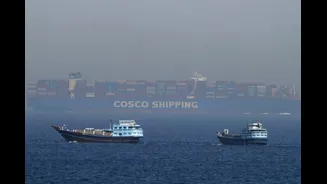
a missile strike on a key industrial facility in Qatar during the US-Iran conflict, has severely impacted the world's supply of semiconductor-grade helium. This attack disabled one of the only two plants globally capable of producing helium to the stringent purity levels required for advanced chip fabrication. Consequently, approximately 30% of the world's semiconductor-grade helium was withdrawn from the market, leading QatarEnergy to halt production and declare force majeure. Compounding this issue, the ongoing closure of the Strait of Hormuz to Western commercial shipping has already caused helium prices to skyrocket by 40% to 100%, creating a critical countdown for the semiconductor industry as existing stockpiles dwindle.
Why Chips Need Helium
While helium isn't typically advertised as a component in our gadgets, its presence is absolutely indispensable within chip fabrication plants. This noble gas possesses unique properties, notably its chemical inertness, meaning it doesn't readily react with other substances, and its exceptionally low thermal conductivity. These characteristics are paramount for maintaining the extremely precise environmental conditions necessary for manufacturing semiconductors. Helium is utilized to cool sensitive equipment, prevent any form of contamination that could ruin delicate circuits, and establish the stable atmosphere within which the intricate structures of modern chips are meticulously built. Any interruption to a reliable helium supply inevitably leads to a slowdown or complete halt in production.
Global Helium Shortage Impact
In 2025, Qatar was a significant producer, accounting for approximately 63 million cubic meters of helium, a figure representing about one-third of the global output of 190 million cubic meters, according to data from the US Geological Survey. Following extensive damage to its facilities, QatarEnergy announced a substantial 14% annual reduction in its helium exports. However, the disruption caused by the Strait of Hormuz blockade is widely believed to be more severe than initially anticipated. Reports from Reuters indicate that major South Korean tech firms, including Samsung and other business groups, have flagged helium and bromine as critical semiconductor materials most vulnerable to prolonged regional conflict. Leading chipmakers like Samsung Electronics and SK Hynix, which collectively supply roughly two-thirds of the world's memory chips, are reported to have helium reserves that could last them between four to six months. A government official confirmed to Reuters that South Korea possesses sufficient helium to sustain its needs until at least June, with companies actively paying premium prices to secure additional supplies, primarily sourced from the United States, currently the world's leading helium producer. The paramount concern for these companies, even above cost, is ensuring the availability of stock.