





Black Holes Unveiled
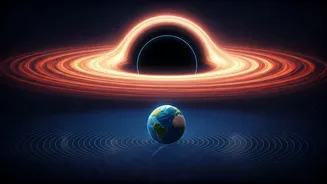
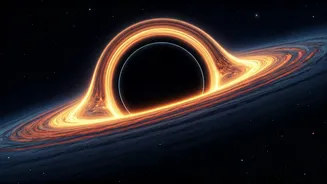
2025 marked a significant turning point in understanding black holes. Astronomers, in a first-of-its-kind observation, witnessed a black hole twisting
spacetime. This monumental finding served as further proof of Einstein’s theory of relativity. Additionally, another team of researchers identified a runaway supermassive black hole traversing through space, providing deeper insights into the dynamics of galaxies. These observations provided critical clues about the behaviour and influence of these enigmatic cosmic entities. The ability to directly observe these phenomena offered a new way to test and validate existing models of the universe's most extreme environments, thus contributing to the refinement of our knowledge of these powerful entities.
Stellar Secrets Exposed
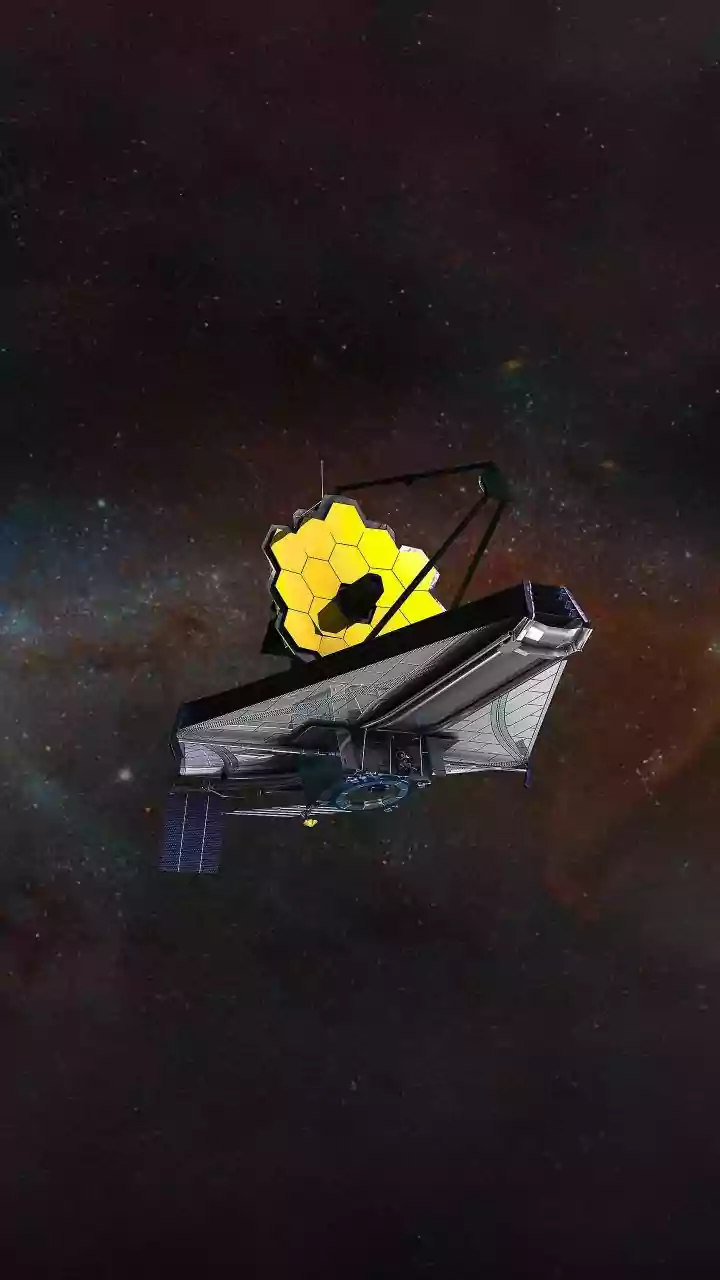
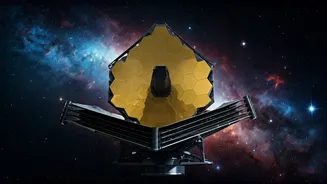
The year 2025 also highlighted the remarkable power of stellar observation. The technique of studying stellar “starquakes” enabled scientists to peer into the hidden past of rapidly rotating stars. Further investigation into red giants orbiting a quiet black hole provided data that challenged existing evolutionary models. These ‘starquakes’ reveal a star's internal structure and how it evolves over time, allowing for a better comprehension of the life cycles of stars. Furthermore, the James Webb telescope also provided further analysis of unusual chemistry and oscillations, posing new challenges to existing theories regarding red giant behaviour. The new observations are vital in our continuing effort to understand stellar evolution, which holds the keys to the formation of elements and the evolution of galaxies.
Galactic Structures Examined
Beyond individual objects, 2025 brought about new insights into the overall structure of the universe. Observations of warped galaxies helped scientists better visualize dark matter, and offered a glimpse into the hidden structures that shape the cosmos. New X-ray mapping of galaxy clusters also exposed the invisible engines that drive their activity, thanks to Chandra's observations. Further, the study of warped galaxies revealed how dark matter's gravitational effects shape the structure of galaxies, thus playing a key role in galaxy evolution. With each new discovery, the invisible aspects of the cosmos are increasingly becoming visible. These studies not only expanded our knowledge of the universe’s structure but also provided further context into the distribution of matter and energy that governs the universe.
Life Beyond Earth?
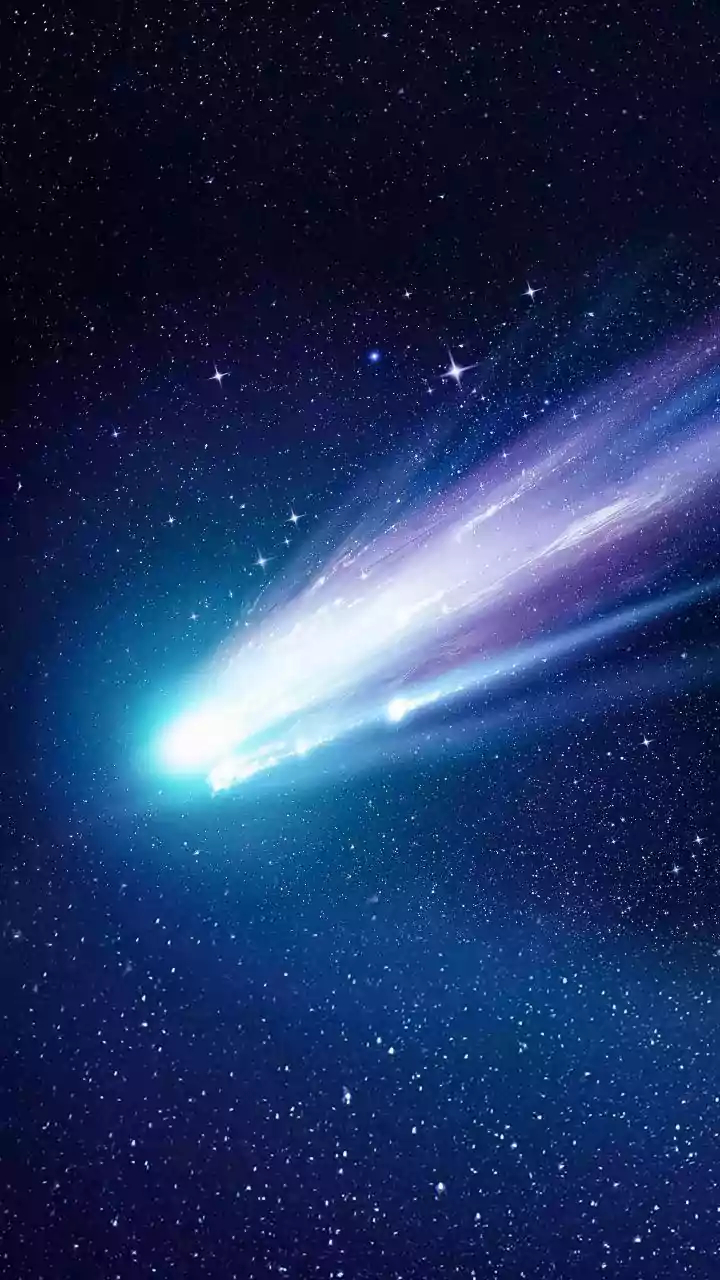
The year brought another compelling discovery, as astronomers continued their search for extraterrestrial life, focusing on new comets, black holes, and the potential for life on Mars. Although concrete evidence of extraterrestrial life still remains a mystery, the identification of signs of life on Mars hinted at the potential for future discoveries. While the actual discovery is still pending, the scientific community is continuing its exploration. Such discoveries contribute to the growing anticipation that life exists beyond our planet. The search for extraterrestrial life motivates advancements in space technology, which opens up new opportunities for discovering answers to age-old questions, and inspires future generations to explore beyond the Earth.