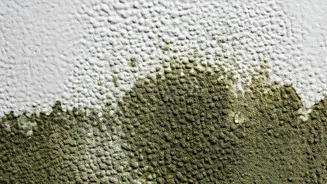







The Pink Imposter Revealed
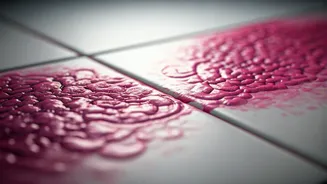
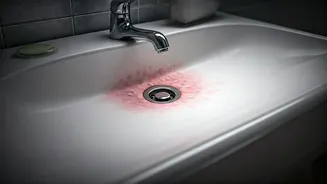
Those ubiquitous pinkish patches adorning your bathroom, often found near sinks and showers, are frequently mistaken for mold. However, the truth is far
less sinister in terms of mold species, but still warrants attention. What you're actually observing is a type of bacteria known as Serratia marcescens. This microorganism thrives in damp environments, feeding on the residue left behind by soap, shampoo, and other toiletries that accumulate on bathroom surfaces. While generally harmless to individuals with robust immune systems, it's crucial to understand that this bacteria can pose potential health risks, particularly for those with compromised immunity, potentially leading to infections. Its stubborn nature stems from its ability to re-establish itself even after a seemingly thorough cleaning, making it a persistent nuisance in many households.
Why It Keeps Returning
The cyclical reappearance of the pink film is primarily due to incomplete eradication and the ideal conditions it finds in bathrooms. Even after scrubbing, microscopic remnants of soap scum and organic matter can remain, providing a food source for Serratia marcescens. Coupled with the inherent moisture present in bathrooms, these bacteria have the perfect breeding ground to multiply. Research into microbial biofilms, which are essentially protective layers bacteria form on surfaces, explains this phenomenon. These biofilms adhere tenaciously, meaning a simple wipe or quick clean often isn't enough to remove them entirely. Consequently, the bacteria quickly repopulate, leading to the pink stains re-emerging, creating a frustrating cycle for homeowners trying to maintain a clean bathroom.
Effective Cleaning Solutions
Fortunately, tackling this persistent pink film doesn't require specialized or harsh chemicals. Simple, readily available household items can be remarkably effective. A classic solution involves a mixture of white vinegar and water. Spray this solution generously onto the affected areas, allow it to sit for a period to break down the residue, and then scrub with a brush – an old toothbrush is excellent for getting into grout lines and corners. For more stubborn patches, a paste made from baking soda and a bit of dish soap can be applied. This abrasive yet gentle mixture helps lift the film without damaging surfaces. Patience is key; rushing the process can lead to incomplete cleaning and quicker recurrence. The critical element often overlooked is thorough drying after each use, which deprives the bacteria of its essential moisture.
Preventing Future Growth
Beyond cleaning, implementing simple preventative measures is vital to stop the pink film from becoming a recurring problem. Consistent, regular cleaning is paramount; addressing potential problem areas before stains become visible makes a significant difference. Focus your cleaning efforts on zones prone to moisture accumulation, such as around faucet bases, soap dishes, shower curtains, and any damp corners. After using the sink or shower, make it a habit to wipe down surfaces to remove excess water. Improving ventilation by opening windows or using exhaust fans helps to dry out the bathroom more efficiently, creating a less hospitable environment for bacteria. By making these small habits part of your routine, you disrupt the bacteria's life cycle and prevent them from establishing a foothold.