



The Silent Strain of Salt
Salt is deeply embedded in our diets, often hidden in pickles, sauces, namkeen, chutneys, and restaurant preparations. According to experts like Anshul
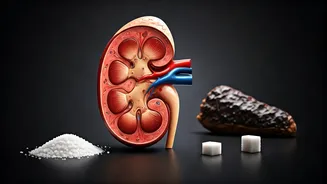
Singh from Artemis Hospitals, excessive salt intake significantly elevates blood pressure, a primary contributor to kidney disease worldwide. Over years of high sodium consumption, the delicate vasculature within the kidneys can weaken. While adults are advised to consume less than 5 grams of salt daily, many exceed this amount, frequently unaware of the sodium lurking in seemingly 'healthy' packaged goods like store-bought soups, breakfast cereals, protein bars, and even brown bread. The real danger often lies not in the salt shaker, but within the packaging of instant noodles, chips, and frozen meals, which can contain alarmingly high levels of sodium and preservatives, placing an undue burden on kidney function over time and forcing them to work harder than necessary.
Packaged Foods' Hidden Dangers
The convenience of packaged foods, from instant noodles to frozen meals, comes with a hidden cost to your kidneys. As DT Parul Yadav from Marengo Asia Hospitals points out, these items are laden with sodium and preservatives essential for extending shelf life. Beyond just salt, these foods often incorporate artificial flavor enhancers and phosphates, which collectively elevate blood pressure and make the kidneys work overtime to filter waste. Research consistently links high sodium intake from these sources to kidney stress and hypertension. A single serving of chips or a frozen dinner can contain nearly half of the daily recommended sodium allowance, making it difficult to manage intake without conscious effort. The invisibility of this excess sodium is a significant concern, as it silently compromises kidney health over extended periods.
Beyond Extreme Diets
Protecting kidney health is less about adopting extreme fad diets or seeking miracle foods and more about establishing consistent, healthy daily habits. Experts consistently champion home-cooked meals, adequate hydration, and a mindful reduction in processed foods, excess salt, and sugar. The key is balanced nutrition, which holds far greater importance than fleeting dietary trends. The current fascination with high-protein diets, often fueled by wellness marketing, exemplifies a problematic mindset where 'more is better.' However, human biology thrives on moderation. Simple, balanced meals are often the most beneficial for overall well-being and, crucially, for supporting kidney function without unnecessary strain.
The Protein Paradox
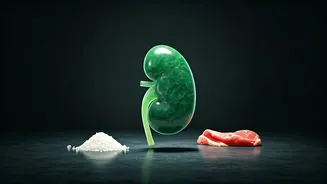
Protein is vital for muscle repair, immunity, and general health, yet the pursuit of 'more protein' has become a widespread wellness obsession. While fitness culture often promotes the idea that higher protein intake equates to better health, medical experts caution against such extremes. Anshul Singh highlights that red and processed meats, rich in protein and saturated fats, can stress the kidneys when consumed in excess. Likewise, DT Parul Yadav notes that excessive red meat can increase uric acid, further pressuring kidney function. The issue isn't protein itself, but the sheer volume. Kidneys are responsible for filtering nitrogenous waste products from protein breakdown. Extremely high-protein diets require them to work continuously, which, while manageable for healthy individuals, can be risky for those with pre-existing conditions like diabetes, high blood pressure, or compromised kidney function. Balanced protein intake remains the optimal approach.
Sweet Drinks' Kidney Toll
Sugary beverages, including sodas and other sweetened drinks, contribute significantly to health issues that directly impact kidney function. DT Parul Yadav emphasizes that regular consumption can lead to obesity and diabetes, two major drivers of kidney disease. Diabetes, in particular, is a leading cause of chronic kidney disease globally, and the constant sugar overload from these drinks fuels insulin resistance, weight gain, and inflammation. Furthermore, Anshul Singh points out that dark-colored sodas often contain added phosphorus, which can be detrimental to kidney health over time. Studies have even linked sugar-sweetened beverages to an increased risk of kidney damage, especially in individuals predisposed to metabolic disorders. The frequency of consumption is a growing concern, with many replacing water with these sweet alternatives daily, a habit the kidneys are not equipped to handle.
Fast Food's Organ Impact
Fast food and deep-fried items negatively affect numerous bodily systems, including the kidneys. DT Parul Yadav explains that these meals are typically high in fats, salt, and calories, posing a threat to both kidney and overall health. Their calorie density coupled with poor nutritional value, often involving high sodium, trans fats, refined carbohydrates, and sugar, contributes directly to obesity, diabetes, and hypertension—the primary culprits behind kidney disease. Anshul Singh adds that the high salt content in fast food can lead to water retention, increasing kidney strain. The problem escalates when these meals transition from an occasional indulgence to a daily staple for many, particularly in urban settings. While kidneys are resilient, prolonged exposure to such dietary stress can eventually lead to exhaustion and damage.
Oxalates and Kidney Stones
While many 'healthy' foods are promoted, it's crucial to understand individual dietary needs, as some nutrient-rich options can be problematic for specific conditions. DT Parul Yadav clarifies that foods high in oxalates, such as spinach, beetroot, chocolate, and nuts, can contribute to the formation of kidney stones in susceptible individuals. Oxalates are naturally present in numerous healthy foods, and for most people, they pose no threat. However, for those prone to calcium oxalate kidney stones, consuming large quantities of these foods can be a trigger. Blindly following internet 'superfood' trends, like daily spinach smoothies, can inadvertently cause harm if one has a predisposition to kidney stones. Personalized nutrition, rather than copycat diet trends, is the path to healthier eating.
Processed Meats' Risks
Processed meats like bacon, sausages, salami, and deli slices, while convenient and often marketed for their protein content, represent a confluence of kidney stressors. DT Parul Yadav highlights that these products are typically loaded with sodium and various additives that can significantly strain kidney function. Many also contain phosphate additives, which weakened kidneys struggle to filter effectively. A significant concern is their increasing presence in what's promoted as 'healthy' gym meals, including high-protein sandwiches and preserved meat snacks. Despite the protein label, the high sodium content remains a primary factor that kidneys must contend with, contributing to overall burden and potential damage.