







Solar Storm Alert
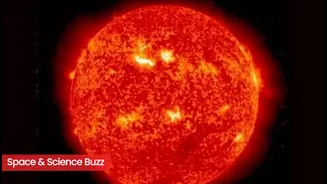
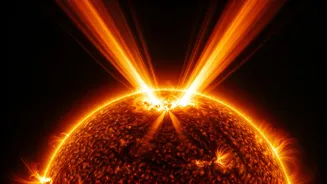
NOAA has issued a G2 solar storm watch for January, indicating a moderate geomagnetic storm. This prediction stems from heightened solar activity, where
charged particles from the sun interact with Earth's magnetic field. The intensity of the storm is graded on a scale, with G2 representing a moderate level. This level can cause some impact on technological systems, particularly satellite operations, and potentially disrupt radio communications. While the primary concern lies in technological impacts, the upside is enhanced visibility of auroras, or the Northern and Southern Lights. The solar storm's timing coincides with potential viewing opportunities in regions experiencing dark nights, thus, increasing the chances for people to witness the auroras.
Auroras: A Celestial Show
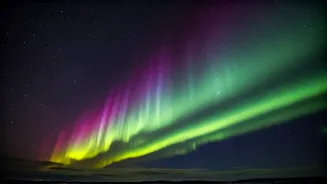
The G2 geomagnetic storm carries the potential to enhance the appearance of auroras. These stunning light displays occur when charged particles from the sun collide with gases in Earth's atmosphere. These collisions cause the atmospheric gases to release photons, creating the mesmerizing, dancing lights that paint the night sky. The location of the auroras depends on various factors, including the intensity of the solar storm. Areas closer to the poles are the most likely to experience these celestial phenomena. During a G2 storm, the auroras may be visible at lower latitudes than usual. This means that if the conditions are right, individuals in regions like the northern United States, Canada, and parts of Europe might have an opportunity to witness this natural wonder.
Tech Implications Examined
Geomagnetic storms, like the one expected in January, can impact technological systems reliant on satellite communications. Satellites can experience disturbances in their orbit and operational capabilities because of the influx of energetic particles. The impact may range from minor glitches to more serious interruptions in services. Moreover, radio communications, especially in high-frequency bands, could be affected. The severity of disruptions can vary, depending on the storm's intensity and the specific technologies affected. However, the moderate nature of the G2 storm suggests that the effects, while possible, are likely to be manageable. Satellite operators and communication providers are often prepared for these events and take steps to mitigate potential problems. They may adjust satellite operations or take precautionary measures to minimize disruptions.
Observing the Skies
For those hoping to catch a glimpse of the auroras, January offers some viewing opportunities. The visibility of the auroras will depend on several factors, including the storm's intensity, geographical location, and weather conditions. Individuals in high-latitude regions should have the best chances, but even those in more southern areas may be able to see the lights. Check local weather forecasts and aurora-viewing apps for updates. To increase the chances of seeing the auroras, find a location away from light pollution. Clear, dark skies are ideal for optimal viewing. It's also important to be patient, as the auroras can appear and disappear. The G2 storm watch suggests that the show could be quite stunning and well worth the effort to witness.