







Software's Free Frontier
The notion that software might eventually become free has sent ripples through the technology sector, sparking debate about its viability and implications.
This prediction suggests a radical departure from the current business models that rely on licensing and subscriptions. If software were to truly become free, it would necessitate a fundamental reevaluation of how developers are compensated and how innovation is sustained. The driving forces behind this potential shift could be advancements in AI that automate development, a move towards open-source dominance, or even a change in consumer expectations. Such a transition would undoubtedly create new opportunities for accessibility and widespread adoption, but it also raises critical questions about the economic sustainability of the companies that build and maintain these essential digital tools. The impact on established tech giants and agile startups alike would be profound, potentially leading to a complete restructuring of the industry's financial architecture and a redefinition of value in the digital realm.
Competition Heats Up
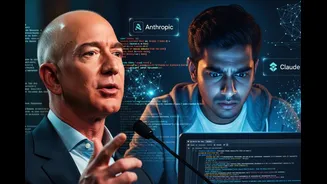
While the idea of free software is intriguing, the reality is that the technological landscape is characterized by intense competition, especially with the rise of advanced AI. Companies are vying for market share and technological supremacy, investing heavily in research and development to create groundbreaking products and services. The emergence of new players, such as Andrej Karpathy, a prominent figure with a background at OpenAI and Tesla, joining Anthropic, underscores this competitive dynamic. His expertise is likely to fuel further innovation and intensify the race for AI dominance. This competitive environment, even with the possibility of free software, means that value will likely shift towards unique features, superior user experience, and integrated ecosystems rather than purely transactional software sales. The battle for talent and the relentless pursuit of cutting-edge technology will define success, ensuring that while some aspects might become more accessible, the underlying development and deployment will remain a high-stakes arena.
AI's Transformative Role
Artificial intelligence is not just a component of the software evolution; it's a central catalyst. The ability to generate AI images using readily available tools, even through free accounts, exemplifies how AI is democratizing creative and technical capabilities. This trend hints at a future where complex software functionalities could be more easily accessed and utilized by a broader audience. Furthermore, AI's role in software development itself is growing, potentially automating aspects of coding and testing, which could reduce development costs and, consequently, contribute to the possibility of lower-priced or even free software offerings. However, this also means that the companies leading in AI development will likely hold a significant advantage. The continuous advancements in AI will force other tech firms to either adapt rapidly, forge new partnerships, or face the risk of obsolescence in an increasingly AI-driven market. The question isn't just if software will be free, but how AI will fundamentally alter the creation, distribution, and value proposition of all digital products.