






Understanding Air Purifiers
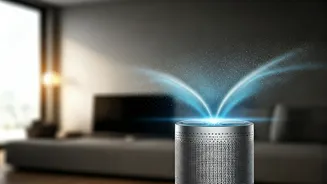
Air purifiers are devices engineered to cleanse the air by eliminating contaminants, such as dust, pollen, smoke, and odors. They operate by drawing in air and passing
it through a series of filters, which capture these pollutants before releasing clean air back into the room. The primary function of an air purifier is to enhance indoor air quality (IAQ), which can be significantly worse than outdoor air, especially in enclosed spaces with limited ventilation. Various types of air purifiers employ distinct filtration mechanisms, including HEPA filters, activated carbon filters, and UV-C light, each targeting different types of pollutants. The effectiveness of an air purifier depends on several factors, including the type of filter used, the size of the room, and the frequency of use. Choosing the right air purifier involves considering these aspects, ensuring the device meets specific needs and effectively improves air quality. Regular maintenance, such as filter replacement, is essential to maintain optimal performance and prolong the purifier's lifespan.
Types of Filters
Air purifiers utilize several types of filters, each designed to capture different types of airborne particles and gases. HEPA (High-Efficiency Particulate Air) filters are particularly effective at trapping small particles, such as dust mites, pet dander, and pollen, and are commonly found in many air purifiers. These filters are capable of removing at least 99.97% of particles with a size of 0.3 micrometers or larger. Activated carbon filters excel at absorbing odors, smoke, and volatile organic compounds (VOCs), which are often released from household products and furniture. They work by using activated carbon, a material with a highly porous structure that attracts and traps these unwanted gases. Pre-filters are the first line of defense, typically capturing larger particles like hair and dust, thus extending the lifespan of the more specialized filters. Some air purifiers also incorporate UV-C light to kill bacteria, viruses, and mold spores. However, it's worth noting that the effectiveness of UV-C light can be limited if the air is not exposed to the light for a sufficient amount of time.
Benefits of Use
Employing an air purifier provides a multitude of health benefits, primarily by reducing the levels of indoor air pollutants. This can lead to a significant decrease in allergy symptoms, as air purifiers remove pollen, dust mites, and pet dander, which are common allergens. For individuals suffering from asthma, air purifiers can be especially beneficial by reducing irritants in the air that trigger attacks. By eliminating odors and VOCs, air purifiers can improve air quality and enhance overall comfort within a home. Furthermore, reducing exposure to airborne particles can contribute to improved respiratory health, lowering the risks associated with long-term exposure to pollutants. The presence of an air purifier can create a cleaner environment that supports better sleep quality, as it helps to eliminate irritants that can interrupt sleep patterns. Regular use of an air purifier also helps maintain cleaner surfaces within the home, as they reduce the accumulation of dust and other airborne particles on furniture and floors. These positive impacts can result in a significant enhancement of the overall quality of life.
Choosing the Right One
Selecting the right air purifier involves considering several factors to ensure it meets individual needs. Room size is a critical determinant, with air purifiers being rated according to their Clean Air Delivery Rate (CADR), which indicates how quickly they can clean a specific room size. When selecting an air purifier, the CADR rating should match or exceed the room size. The types of filters present are also important; choosing a purifier with the appropriate filter types based on specific needs is essential. For instance, those with allergies should prioritize HEPA filters, while those concerned with odors should focus on activated carbon filters. Consider the maintenance requirements of the air purifier, including the cost and frequency of filter replacements. Noise levels are also important, particularly in bedrooms or quiet areas; it is important to check the decibel ratings of air purifiers before purchase. Other features, such as smart controls, air quality sensors, and timers, may provide added convenience and functionality. It is always best to examine reviews and ratings to gather insights regarding an air purifier's effectiveness and reliability.