
Moringa's Nutritional Powerhouse
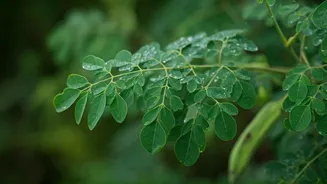
Moringa oleifera, often referred to as the 'miracle tree,' is packed with nutrients. It is a source of vitamins, minerals, and antioxidants, and also contains
essential amino acids, making it a complete protein source. Its leaves, pods, and seeds are all edible and contribute to a well-rounded diet. The plant is incredibly rich in vitamin C, which plays a vital role in the body’s immune system, and it is also full of antioxidants. These antioxidants protect cells from damage. Moringa offers a wide array of nutritional benefits, making it more than just a passing trend; it is a serious contender in the world of superfoods. Traditional medicine practices across India have long recognized its health benefits.
Boosting Immunity and Health
Moringa's benefits extend far beyond basic nutrition. Its high antioxidant content helps combat oxidative stress, which is a major contributor to various diseases. Moringa's leaves contain quercetin, a potent antioxidant known for its anti-inflammatory properties, which is associated with better heart health. It also contains chlorogenic acid, which helps regulate blood sugar levels, making it beneficial for people with diabetes. Furthermore, it boosts immunity, supports healthy skin, and aids in digestive health, providing an advantage over other superfoods. By contributing to a stronger immune system and reducing the risk of chronic conditions, moringa becomes a valuable addition to a balanced diet.
Moringa's Adaptability & Growth
One of the most remarkable aspects of Moringa is its adaptability. It thrives in arid and semi-arid regions, requiring minimal water and resources to grow. This resilience makes it a sustainable crop, particularly suitable for regions facing water scarcity. Moringa’s ability to flourish in challenging environments makes it a lifeline in areas prone to drought and it can improve food security in these regions. The plant is fast-growing, reaching maturity within a year, enabling rapid harvesting and continuous production. This quick growth cycle, combined with its tolerance for diverse climates, positions moringa as a key player in promoting sustainable agriculture and combating food insecurity.
Diverse Culinary Applications
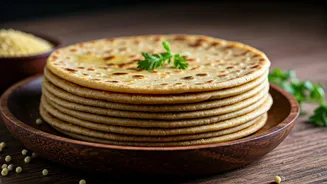
Moringa is incredibly versatile in the kitchen. Its leaves can be consumed fresh in salads, cooked like spinach, or dried and ground into a powder. The pods are often cooked like green beans, and the seeds can be roasted or used to extract oil. Moringa powder can be added to smoothies, soups, and curries, easily integrating it into daily diets. In India, moringa is often used in traditional recipes, showing its cultural relevance. With its mild, slightly peppery flavor, it pairs well with various dishes, making it a flexible ingredient. Whether used in traditional recipes or modern culinary creations, moringa enhances both flavor and nutritional value.
Future of Moringa
The future looks bright for moringa. Ongoing research continues to uncover new health benefits. As consumer awareness grows, the demand for moringa products is on the rise. Its sustainable cultivation practices and ability to grow in challenging conditions make it an attractive crop for farmers, improving their livelihoods and contributing to food security. Moringa’s potential extends beyond health and nutrition, as its oil can be used for cosmetics and biofuel, creating even more value. Moringa is set to play a pivotal role in the future of food and sustainable agriculture.