






Lunar Leap Hurdles
NASA is diligently working through a series of technical and operational complexities as it prepares for the Artemis II mission, a pivotal step in its
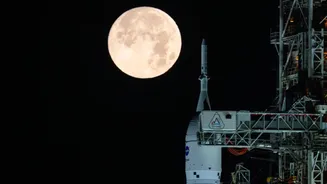
ambitious plan to return humans to the Moon after more than five decades. This mission, which involves sending astronauts on a journey around the Moon aboard the powerful Space Launch System (SLS) rocket and the advanced Orion spacecraft, is fundamental to establishing a sustained human presence in lunar orbit and on the lunar surface. NASA chief Jared Isaacman has emphasized the agency's commitment to transparency, stating that the public deserves to be informed about both the triumphs and the setbacks encountered. This open approach is particularly important for a program as significant and costly as Artemis, which also has implications for national security. Engineers are actively addressing issues that emerged during various testing phases, with a focus on ensuring the utmost reliability and safety for the astronauts embarking on this historic voyage back to deep space exploration.
Propellant System Puzzles
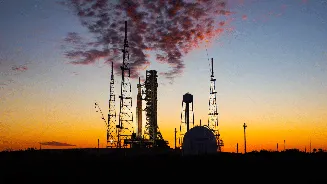
A primary challenge for the Artemis II mission lies within the propellant system of the SLS rocket, specifically concerning seals and fuelling interfaces. During a crucial confidence test on February 12, engineers meticulously examined seals that had undergone repair or replacement following earlier 'wet dress rehearsal' tests. The subsequent data revealed a substantial reduction in hydrogen leak rates when compared to previous test outcomes, signaling promising progress in resolving a significant technical concern. This test concluded ahead of its originally scheduled time, not due to any system failure, but because the gathered data provided sufficient information for ongoing analysis without necessitating further troubleshooting. NASA promptly reviewed these findings the following day and released a public update, strategically timing its announcement to coincide with a crewed mission launch to the International Space Station, thereby aiming to prevent any potential confusion among the public regarding different ongoing space endeavors.
Refining for Reliability
Despite the recent advancements, the preparation for the Artemis II mission continues to be an intricate undertaking. NASA officials acknowledge that encountering difficulties is not unusual, especially considering the considerable time elapsed since the Artemis-I mission in 2022 and the upcoming crewed flight. The sheer scale of the rocket system and the sophisticated cryogenic fueling technologies involved present inherent complexities. Engineers are actively engaged in continuously refining both the procedures and the hardware to guarantee the highest levels of reliability. Isaacman highlighted that the insights gained from these current challenges will profoundly influence the planning and execution of future missions. For Artemis III, NASA intends to implement a 'cryoproofing' process for the vehicle before it reaches the launch pad and is also reviewing redesigns for the propellant-loading interfaces. These adjustments are designed to enhance the predictability and efficiency of subsequent launches, paving the way for more streamlined lunar missions. The overarching Artemis program is envisioned as a long-term initiative for lunar exploration, with provisions for recurring missions and, ultimately, the establishment of a permanent human presence on and around the Moon, demonstrating a commitment to sustained deep space presence.