




Martian Exploration Unveiled
The Curiosity rover, a key component of NASA's Mars Science Laboratory mission, has consistently delivered remarkable data and visuals, transforming our
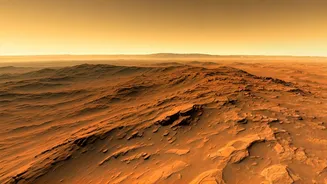
comprehension of the Red Planet. Its primary objective is to investigate Mars' environmental history and ascertain its habitability. Curiosity landed on Mars on August 6, 2012, in the Gale Crater, and since then, it has journeyed across varied terrains, gathering essential data. The rover is equipped with state-of-the-art instruments, including the Mast Camera (Mastcam) which produced the striking panorama, the Chemistry and Camera (ChemCam), and the Sample Analysis at Mars (SAM) suite, used to analyze soil and rock samples. These instruments have provided valuable insights into Mars' past climate, geology, and potential for sustaining life, making it a critical asset in the ongoing exploration of the Red Planet.
Panoramic Mount Sharp Vista
The recent panorama, created by stitching together multiple images captured by the Mastcam, provides a vast and detailed view from a high vantage point on Mount Sharp. This mountain, centrally located within Gale Crater, is a crucial geological target for Curiosity, which has been steadily ascending its slopes. The panorama showcases a range of Martian surface features, including layered rock formations, evidence of ancient stream beds, and the undulating landscape of the crater floor. By analyzing these features, scientists are able to piece together the history of Mars, inferring how the environment has evolved over billions of years. The high-resolution images also offer unprecedented clarity, allowing for the identification of subtle details that might offer clues about past water activity and the potential presence of organic molecules.
Geological Wonders Revealed
Mount Sharp's layered rock formations are of particular interest to scientists, offering a layered chronicle of Martian history. Each layer represents a period of sedimentation, with different layers containing clues about the planet's ancient climate, water presence, and the potential for past microbial life. Curiosity's exploration of these layers has revealed the presence of clay minerals, sulfate salts, and other compounds, providing evidence of past habitable environments. These geological features are not only visually captivating but are also vital in understanding Mars' past. The study of these formations allows for a deeper exploration of the environmental changes that have shaped the planet over time, and a greater understanding of what it took to shape the planet.
Ongoing Mission Objectives
NASA's ongoing mission with the Curiosity rover involves not only capturing stunning images but also conducting detailed scientific investigations. These objectives include analyzing the composition of Martian rocks and soils, searching for organic molecules that may indicate past life, and assessing the habitability of Mars. The rover is equipped with tools that can drill into rocks, collect samples, and analyze their chemical composition. The data collected is transmitted back to Earth, where scientists meticulously examine it to piece together the story of Mars. NASA's commitment to advancing exploration includes continuing to refine the rover's capabilities and extending its mission, thus enabling deeper insights into the planet’s mysteries.
Future Martian Exploration
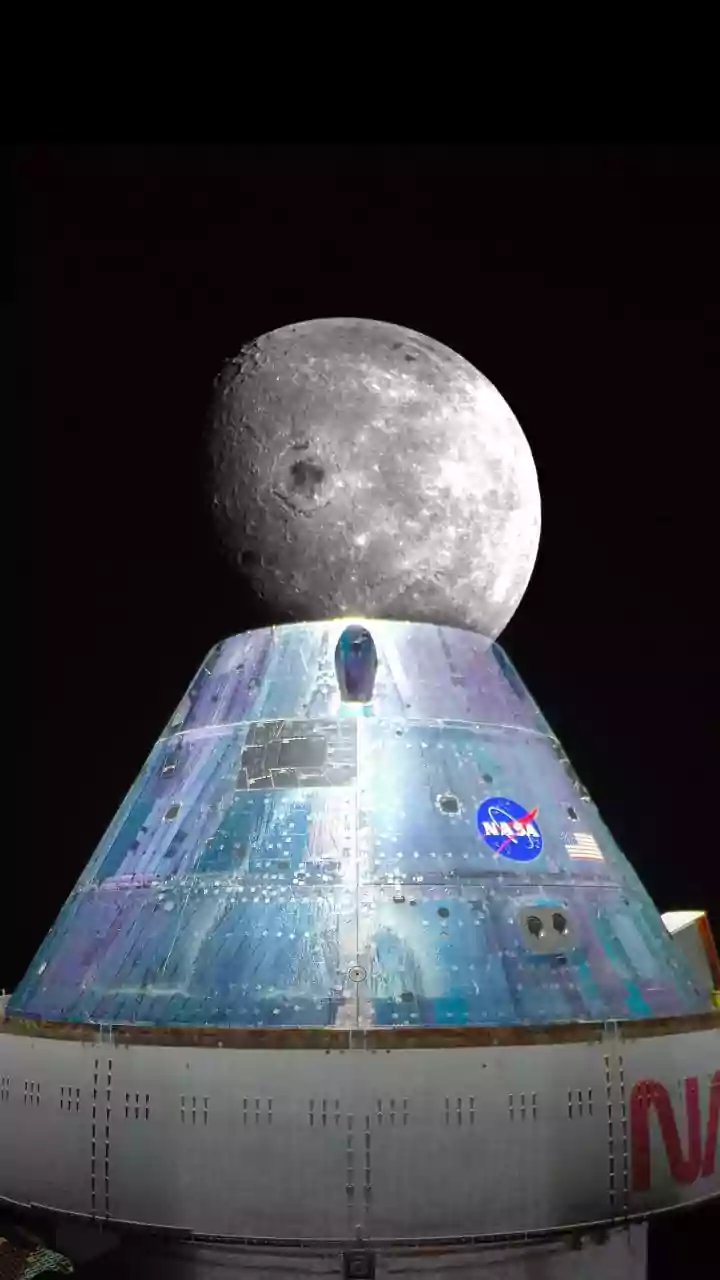
The insights gained from the Curiosity rover's mission are instrumental in informing future Martian exploration initiatives. Building on the data and experience from Curiosity, NASA and other space agencies are developing new rovers and missions, which are designed to enhance our understanding of Mars. These next-generation missions will include more sophisticated instruments, the ability to collect and return samples to Earth, and a renewed focus on identifying evidence of past or present life. The Curiosity rover serves as a vital testbed and training ground, refining exploration techniques and providing a crucial baseline for further investigations. NASA’s Artemis program represents a giant step forward, with plans to send astronauts to the Moon, preparing the way for human missions to Mars.