






Counterfeit Products Uncovered
In a significant operation targeting the illicit trade of counterfeit goods, authorities in Delhi have unearthed and dismantled two clandestine manufacturing
facilities. This crackdown resulted in the seizure of an astonishing quantity of fake products, including approximately 1 lakh sachets of a popular antacid brand and a staggering 50,000 sachets of a well-known coffee brand. The operation, spearheaded by a dedicated team from the Delhi Crime Branch, involved the confiscation of essential equipment such as filling machines, raw materials, and extensive packaging supplies meticulously designed to mimic authentic products. This suggests a large-scale, organized effort to flood local markets with substandard and potentially harmful imitations. The discovery highlights a critical concern regarding consumer safety and the economic impact of such fraudulent activities within the Indian market, which is estimated to suffer losses of around Rs 1 lakh crore due to counterfeit goods.
The Pervasive Coffee Adulteration
The issue of fake coffee is not a novel one; it has been a persistent problem in various markets globally, including India. The demand for coffee, coupled with fluctuating international prices, creates fertile ground for adulteration. While some regions might use alternatives like soybeans or corn, the Indian market has seen a prevalence of adulterants such as clay and chicory powder. Chicory, derived from the roasted root of a flowering plant, is often used to mimic coffee's taste and aroma due to its slightly woody and nutty notes, with a hint of bitterness. However, its presence can alter the true flavor profile and potentially pose health risks, especially when combined with other unlisted additives. This widespread practice poses a direct threat to consumers who unknowingly purchase and consume these adulterated products, believing them to be genuine and pure.
Simple Home Coffee Tests
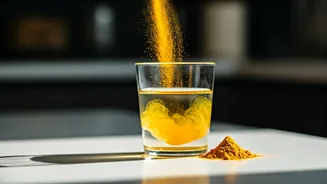
The Food Safety and Standards Authority of India (FSSAI) has provided consumers with two straightforward methods to ascertain the purity of their coffee powder without needing laboratory equipment. These tests are designed to detect common adulterants like clay and chicory powder, allowing for immediate assessment at home. For detecting clay, a simple water-based test can be performed. Take a glass of water and add about half a teaspoon of coffee powder. After allowing it to settle for approximately five minutes, observe the bottom of the glass. Genuine coffee powder will not leave any significant sediment, whereas the presence of clay will result in a visible layer of residue at the base, indicating adulteration. This method leverages the difference in density and solubility between coffee and common clay particles.
Detecting Chicory Powder
To identify the presence of chicory powder, another easy water-based test can be conducted, as recommended by FSSAI. Begin by taking a glass of water and adding about half a teaspoon of the coffee powder in question. Allow the mixture to rest for about five minutes. The behavior of the coffee powder on the water's surface and its dissolution rate can reveal adulteration. Pure coffee powder is expected to float and then gradually dissolve. In contrast, coffee adulterated with chicory powder will often exhibit a faster rate of dissolution and may appear to break apart more readily on the surface. This difference in behavior stems from the varying solubilities and textures of pure coffee grounds versus processed chicory, providing a visual cue for consumers to assess the integrity of their coffee product.
Consumer Vigilance Matters
Beyond these simple tests, FSSAI emphasizes the importance of overall consumer vigilance when purchasing packaged food items. It is crucial to meticulously check product packaging for manufacturing and expiry dates, as well as to verify the presence of a valid FSSAI license number. These details are vital indicators of a product's legitimacy and adherence to safety standards. Furthermore, consumers should remain attentive to any unusual sensory experiences, such as an off-putting taste or texture, which could signal a compromised product. In such instances, prompt reporting to the nearest food authorities or consumer forums is essential. Raising awareness and taking proactive steps to report suspicious products are critical in combating the prevalence of adulterated goods and ensuring a safer marketplace for everyone.