







A Sweet and Creamy Cardiovascular Boost
For the millions navigating prediabetes, mindful food choices are paramount for long-term heart wellness. Intriguing new research, detailed in the Journal
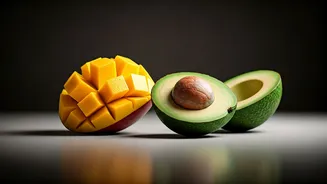
of the American Heart Association, highlights a straightforward dietary enhancement: the combination of avocado and mango. This study involved adults diagnosed with prediabetes who incorporated one avocado and a cup of mango into their daily meals for an eight-week period. The results demonstrated tangible improvements in blood vessel functionality and a reduction in diastolic blood pressure, both critical indicators of cardiovascular risk. The research team from the Illinois Institute of Technology (Illinois Tech) designed an 'Avocado-Mango' (AM) diet, contrasting it with a calorie-matched control diet that substituted these fruits with carbohydrate-rich foods. Notably, the AM group exhibited enhanced vascular function and lower diastolic blood pressure compared to the control cohort. These positive effects were achieved without altering overall calorie consumption or body weight, suggesting that integrating nutrient-dense foods can support heart health without demanding drastic lifestyle overhauls.
Vascular Function Sees Improvement
Participants in the study who embraced the avocado and mango regimen experienced a notable increase in flow-mediated dilation (FMD). This metric serves as a key indicator of endothelial function, essentially measuring the health and responsiveness of blood vessels. The FMD in the AM group rose to 6.7%, a significant improvement, whereas the control group saw a decline to 4.6%. This disparity underscores the positive impact of the fruit-centric diet on vascular health. Furthermore, diastolic blood pressure showed marked improvement, with men experiencing a particularly beneficial effect. In the control group, men's central blood pressure increased by an average of 5 mmHg. Conversely, the men in the AM diet group observed a decrease of approximately 1.9 mmHg. This difference is considered potentially significant for long-term cardiovascular health. Crucially, these beneficial changes occurred without any adjustments in the participants' total calorie intake or body weight, reinforcing the idea that targeted, nutrient-rich food additions can be effective heart health strategies.
Nutrient Powerhouses for Your Heart
The group adhering to the avocado and mango diet also saw an increase in their intake of vital nutrients, including dietary fiber, vitamin C, and monounsaturated fats—all of which are recognized for their contributions to cardiovascular well-being. These nutritional enhancements were achieved without any increase in overall calorie consumption or body weight, which is a common concern with dietary changes. Interestingly, some markers related to kidney function, such as the estimated glomerular filtration rate (eGFR), also showed improvement among those in the AM group. While there were no significant shifts observed in cholesterol levels, blood sugar, or markers of inflammation, the study's findings strongly suggest that the inclusion of nutrient-dense fruits like mango and avocado can offer considerable benefits, particularly for individuals at elevated risk for type 2 diabetes and heart disease. The synergistic nutritional profile of mango, with its fiber and vitamin C, and avocado, with its healthy fats, fiber, and potassium, provides a complementary approach to supporting a healthy cardiovascular system.