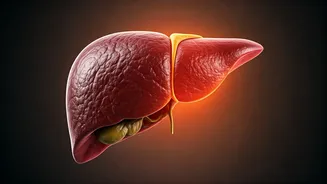







The Growing Liver Threat
Metabolic dysfunction-associated steatotic liver disease (MASLD), commonly known as fatty liver disease, is a pervasive global health issue, now affecting
approximately 40% of adult men. The initial phase, simple fatty liver, is influenced by several factors, including weight gain, type 2 diabetes, diminished testosterone, and a diet rich in fructose from sugary beverages and processed goods. While these risk factors are recognized, the precise mechanisms through which they interact to affect liver well-being remain an area of active scientific inquiry. Understanding this complex relationship is crucial for developing effective prevention and treatment strategies for a condition that is becoming increasingly prevalent worldwide.
Investigating Testosterone's Role
To delve deeper into the synergistic effects of low testosterone and high fructose consumption on liver health, researchers at the Graduate School of Agriculture embarked on a detailed investigation. Led by graduate student Hiroki Takahashi and Associate Professor Naoki Harada, the study involved male mice that were either surgically castrated or underwent a sham operation to control for the procedure itself. These mice were then strategically divided into six distinct groups. These groups were meticulously managed to experience different combinations of conditions: some received a standard diet, others a fructose-rich diet, and a subset of these received antibiotics to assess the impact of gut microbiota. The remaining groups were castrated and subjected to the same dietary and antibiotic variations. This experimental design allowed for a comprehensive comparison of biological changes across all conditions, involving detailed analysis of liver cells, tissue samples, blood plasma, cecal organic acids, and gut microbiota.
Fructose and Testosterone's Impact
The findings from the mouse study were significant and revealed a critical interaction. Castrated mice that consumed fructose exhibited considerably heavier livers compared to their counterparts. Encouragingly, this amplified liver weight increase was notably reduced when antibiotics were introduced into the diet, suggesting a role for gut bacteria in this process. Individually, neither low testosterone nor high fructose intake caused substantial changes in liver triglyceride levels. However, when both low testosterone and high fructose consumption occurred concurrently, they demonstrated a powerful synergistic effect. This combined influence dramatically escalated fat accumulation within the liver, thereby exacerbating the progression of fatty liver disease. The study underscored that the dangers are amplified when these two factors converge.
Gut Microbiota and Pyruvate's Link
Further analysis of the mice exposed to both castration and fructose revealed more intricate biological shifts. These animals displayed marked alterations in their gut microbiota composition, a significant change in how genes within the liver were expressed, and an elevated presence of pyruvate in the cecum, a part of the large intestine. Hiroki Takahashi explained that these gut microbiota changes were found to lead to increased pyruvate levels within the intestine. Subsequent experiments using primary hepatocytes, the main cells of the liver, derived from mice, demonstrated that pyruvate acts in concert with fructose. This synergistic action specifically promotes the accumulation of neutral lipids, a type of fat, within the hepatocytes. This discovery points to the gut microbiome and its metabolic byproducts as key mediators in this harmful interaction.
Future Therapeutic Avenues
Building on these revealing findings, Associate Professor Naoki Harada expressed optimism about the potential for future therapeutic interventions. The research team aims to further elucidate the precise molecular pathways through which pyruvate stimulates triglyceride buildup in liver cells. This deeper understanding is envisioned as the foundation for pioneering the development of novel therapeutic drugs. Additionally, the study opens avenues for establishing preventive strategies, particularly through targeted dietary interventions. By addressing the interplay between gut microbiota, pyruvate production, and fructose metabolism, scientists hope to offer new solutions for combating fatty liver disease and its associated risks.