



Choosing the Right Plant
Selecting the appropriate banana plant variety is the first crucial step. Certain cultivars are ideally suited for container gardening due to their size
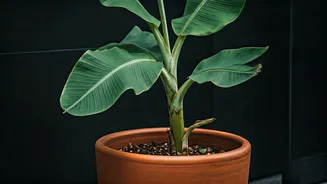
and growth habits. Dwarf Cavendish bananas are a popular choice because they are compact and well-suited to indoor environments. Another great option is the Super Dwarf Cavendish, which offers an even more manageable size. Consider the space available when making your selection. Ensure the chosen variety is suitable for your local climate to ensure successful growth. Research different varieties to see which ones fruit best in containers and which ones will thrive indoors. Avoid selecting varieties known for reaching large sizes, as these may quickly outgrow their containers.
Container and Soil
The container you choose plays a key role in the well-being of your banana plant. Opt for a large pot, at least 15 gallons in capacity, to give the roots enough room to flourish. Drainage is crucial, so be certain the container has drainage holes to prevent waterlogging. Regarding soil, bananas require well-draining soil. A blend of potting mix, compost, and perlite is ideal. This combination ensures proper drainage while supplying necessary nutrients. The soil's pH level is significant; bananas thrive in slightly acidic soil, around 6.0 to 6.5. Regular fertilization with a balanced fertilizer will keep your plant robust and productive, especially in a container setting, as nutrients deplete faster. Soil should retain moisture while allowing excess water to drain effectively.
Watering and Light
Proper watering and appropriate light are essential elements. Banana plants need consistent moisture, particularly during the growing season. Water the plant thoroughly when the top inch of soil feels dry to the touch, and reduce watering during the cooler months to prevent root rot. Be vigilant about not overwatering, as this can lead to serious health issues. Banana plants crave sunlight. Place the container in a location that receives at least six to eight hours of direct sunlight each day. If natural light is inadequate, consider using grow lights to supplement the plant's needs. Rotate the container regularly to ensure even exposure to light, which promotes uniform growth and prevents the plant from leaning towards the light source. The plant's leaves can also be an indicator of whether it's getting enough light.
Fertilizing and Care
Consistent fertilization supports healthy growth and fruit production. Fertilize your banana plant regularly during the growing season with a balanced fertilizer, following the package directions. Incorporate a slow-release fertilizer into the soil at the start of the season for sustained nourishment. Pruning is key to shaping the plant and getting rid of dead or yellowing leaves. Trim any damaged or dead leaves at the base to improve airflow and prevent disease. Regularly inspect your plant for pests and diseases, such as spider mites or banana weevils. Early detection and prompt treatment are key. Use insecticidal soap or neem oil to control pests if you find them. Re-potting will be necessary as the plant grows and its roots fill the container. Generally, re-pot the plant every one or two years to provide fresh soil and more space for root development.
Troubleshooting Challenges
Despite your best efforts, challenges may arise. Yellowing leaves can indicate various issues, including overwatering, underwatering, or nutrient deficiencies. Adjust your watering habits and check your fertilization schedule. Brown leaf edges often signal insufficient humidity or nutrient burn. Ensure adequate humidity, especially in dry environments, and be careful not to over-fertilize. Pests like spider mites can cause webbing and damage to leaves. Treat infestations promptly with insecticidal soap or neem oil. If your plant is not fruiting, ensure it receives enough sunlight, fertilizer, and warmth. Some varieties may take several years to produce fruit, so patience is key. Providing optimal growing conditions and prompt care can effectively address most problems and help your plant thrive.