



Idli: The Classic
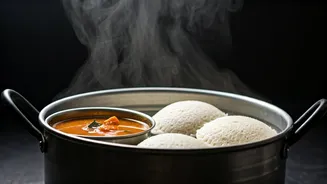
Idli, a South Indian staple, stands out as a steamed, fermented rice cake. Its simple ingredients—rice and urad dal (black lentils)—belie its complex flavor
and nutritional profile. The fermentation process is key, as it enhances digestibility and adds a tangy taste. Idli is usually paired with sambar, a lentil-based vegetable stew, and coconut chutney. Its versatility allows for regional variations, with slight differences in the rice-to-dal ratio or the addition of ingredients like oats or semolina. The steaming process makes it a light, oil-free option, ideal for a wholesome breakfast. It's a breakfast that is easily digested and has been a popular choice in Southern India for generations.
Puttu: Kerala's Pride
Puttu, a popular breakfast in Kerala, presents itself as steamed cylinders of rice flour and grated coconut. The preparation involves layering rice flour and coconut in a puttu steamer, a cylindrical mold. Steaming cooks the mixture into a fluffy, slightly moist cake. Puttu is traditionally served with kadala curry (black chickpea curry), grated coconut, and ripe bananas. The dish is known for its simplicity and the contrasting textures of the soft puttu and the savory curry. Variations exist, with some versions including wheat flour or adding spices to the rice flour. Puttu's cultural significance is strong, representing a quick and wholesome breakfast option enjoyed throughout Kerala and beyond.
Dhokla: Gujarati Delight
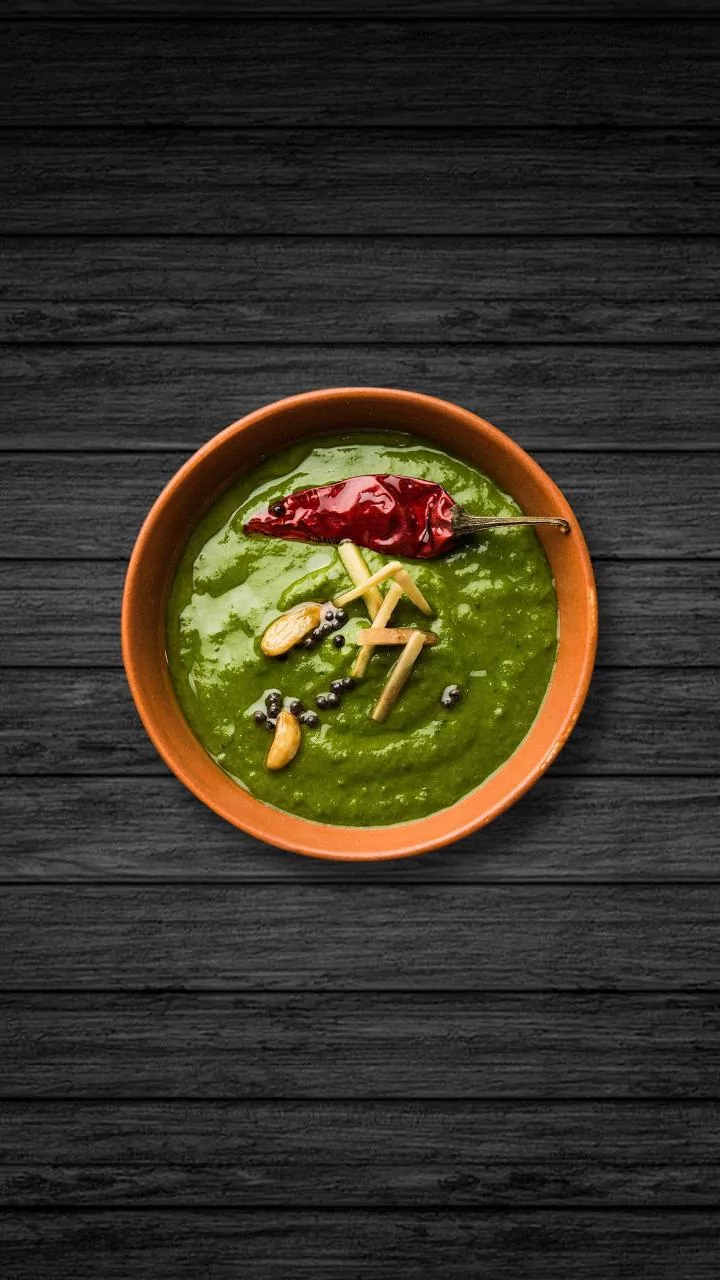
Dhokla, a Gujarati snack, is a savory, steamed cake made from fermented batter of rice and chickpeas. The fermentation process gives dhokla a slightly sour taste and a light, spongy texture. The batter is seasoned with spices like ginger, chilies, and turmeric, and then steamed until it’s fully cooked. It is often tempered with mustard seeds, curry leaves, and green chilies. Dhokla is enjoyed with chutneys, the most popular being green chutney made from coriander and mint. It showcases the region’s use of fermentation and steaming in creating delicious and healthy food. It's a great example of how simple ingredients can make for an exciting taste experience.
Modak: Maharashtra’s Treat
Modak is a sweet dumpling, primarily associated with the Indian state of Maharashtra, and is particularly significant during the festival of Ganesh Chaturthi. The outer layer is crafted from rice flour, and the filling typically consists of grated coconut and jaggery. These dumplings can be steamed or fried, with the steamed version being more common. The shape of modak is often conical, symbolizing prosperity and good fortune. They showcase a combination of textures, from the soft casing to the sweet and chewy filling. Making modak is a labor of love, representing community and religious devotion. It is a traditional and highly anticipated delicacy during the festive season.
Idiyappam: String Hoppers
Idiyappam, also known as string hoppers, is a South Indian breakfast made from rice flour. The rice flour dough is pressed through a sieve to form noodle-like strands, which are then steamed. These soft, delicate noodles are often served with vegetable stew (stew). It provides a light yet filling start to the day. Variations exist, including the addition of coconut milk to the dough. It can be made with different types of flour like ragi or wheat to include additional nutrients. Idiyappam's unique texture and versatile nature make it a beloved breakfast option across Southern India and other parts of the world.
Khaman: Spongy Snack
Khaman is another popular Gujarati snack, similar to dhokla but with slight differences in ingredients and texture. It's made from a batter of chana dal (split chickpeas) that is fermented, seasoned with spices, and then steamed. The steaming process gives it a light and spongy texture. It's often tempered with mustard seeds, green chilies, and curry leaves. Khaman is usually served with chutney or fried chilies, enhancing its savory flavor. It is a testament to the region's innovative use of legumes. Khaman can also be prepared with a variety of additions, such as spinach and other greens. This versatility makes it a versatile breakfast choice.
Momo: Himalayan Staple
Momo, a dumpling popular in the Himalayan regions, is now a well-loved dish across India. These are typically made with a wheat flour dough that encases a filling of meat or vegetables. The momos are then steamed, providing a soft outer layer and a juicy interior. The fillings can be as diverse as the regions they are made in, using mutton, chicken or vegetables. Momo is usually served with a spicy chutney that complements the dumplings. It represents a cross-cultural culinary exchange, blending local ingredients and cooking techniques. It's a quick and fulfilling breakfast, appreciated for its simplicity and bold flavors.
Poha: Flattened Rice
Poha, a popular breakfast dish across India, particularly in Maharashtra and Madhya Pradesh, is made from flattened rice. The flattened rice is soaked briefly, then sautéed with onions, potatoes, and spices like turmeric, mustard seeds, and curry leaves. It can be topped with fresh coriander and a squeeze of lemon juice. The ease of preparation makes poha a quick and nourishing breakfast option. It is a staple in many households, and each region offers its own take on the recipe. Different variations exist, including the use of peanuts or other vegetables. Poha is a great example of how simple ingredients can be transformed into a flavorful and fulfilling dish.
Uttapam: Savory Pancake
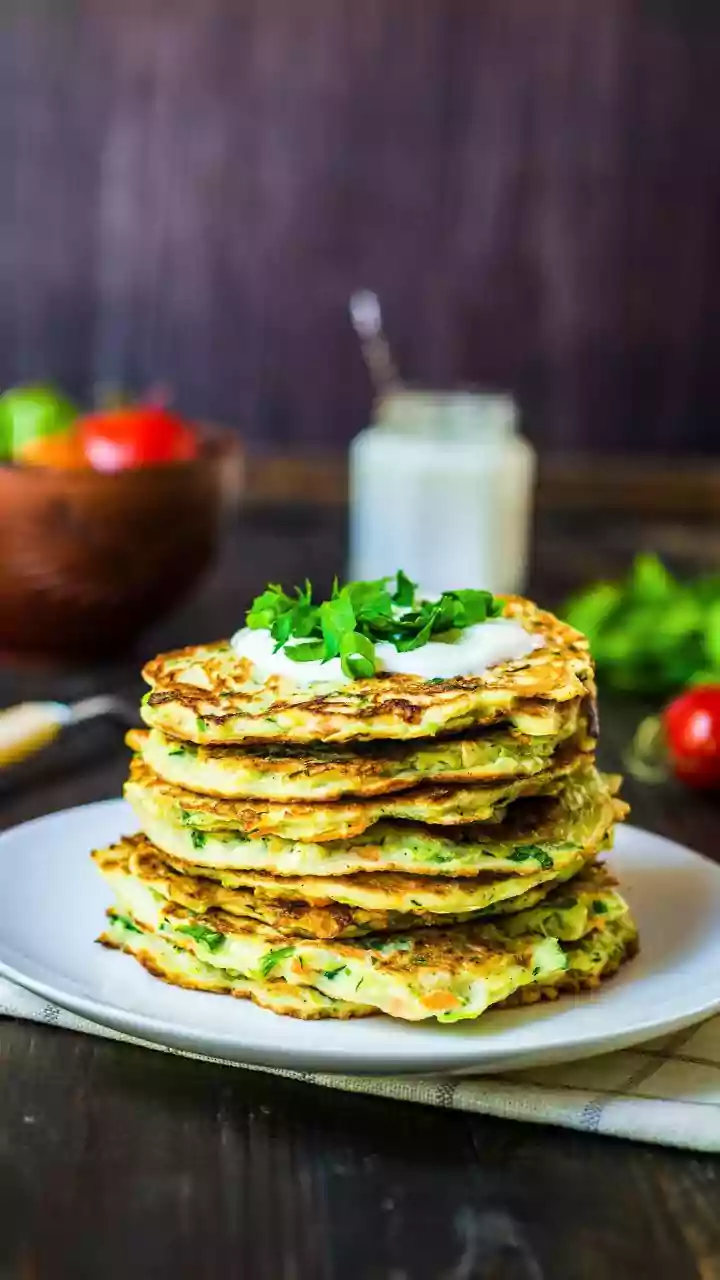
Uttapam is a South Indian savory pancake made from a fermented batter of rice and urad dal. The batter is similar to that used for idli and dosa. Uttapam has a thicker consistency, and is typically cooked with vegetables like onions, tomatoes, and chilies. It’s a versatile breakfast option, allowing for customized toppings and flavors. Uttapam is best enjoyed with sambar and coconut chutney, creating a balanced and flavorful meal. The fermentation process contributes to its light texture and unique flavor. Different variations, like using different vegetables, show the versatility of this breakfast.
Appam: Thin Crepe
Appam, originating from South India, especially Kerala and Tamil Nadu, is a thin pancake made from fermented rice batter and coconut milk. This fermentation process is essential for its unique, slightly tangy flavor and a soft, spongy texture in the center with crispy edges. Appam is typically cooked in a special pan, giving it its characteristic shape. It is usually served with a variety of accompaniments, such as vegetable stew (stew), coconut milk, or egg curry. This versatile breakfast showcases regional culinary traditions. Variations include plain appam, egg appam, or appam with various fillings.