





Brain's Role in Fitness
It's a common observation that engaging in physical activity often leads to a feeling of enhanced mental clarity and sharpness. While the physical transformations
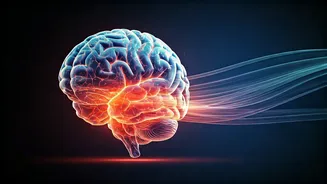
of exercise are widely acknowledged, its profound impact on brain function is equally significant. Recent scientific investigations, detailed in the journal Neuron, have pinpointed the crucial role of persistent neural activation in the brain following exercise. This ongoing brain activity is now understood to be a key factor in the long-term improvements in endurance, allowing individuals to perform physical feats like running further and faster over time. Researchers are delving into the specific neurological mechanisms that underpin these adaptive changes, suggesting that the brain plays a far more active role in fitness gains than previously assumed, extending beyond the immediate physical exertion.
Endurance and Neurons
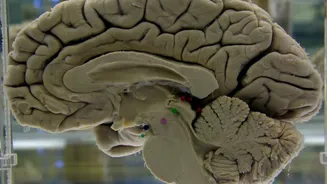
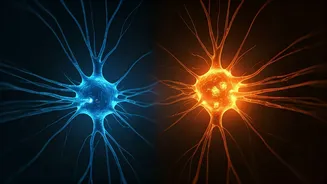
To unravel these brain-body connections, scientists focused their research on mice undergoing regular treadmill exercise. Their observations revealed a heightened state of activity across several brain regions post-exercise, with a particular emphasis on neurons located within the ventromedial hypothalamus (VMH). This area of the brain is critical for regulating the body's energy metabolism, influencing factors like body weight and blood sugar levels. Using advanced real-time tracking of neural signals, the researchers identified a specific group of VMH neurons, known as steroidogenic factor-1 (SF1) neurons, which showed increased activity during running sessions. Crucially, these SF1 neurons remained actively signaling for at least an hour after the mice concluded their exercise. This sustained post-exercise neural activity is a significant finding, suggesting a mechanism by which the brain supports and enhances physical adaptations.
Training and Brain Changes
When the mice were subjected to a consistent two-week training regimen, their endurance capabilities demonstrably improved. They were able to sustain longer runs and maintain higher speeds before experiencing fatigue. Concurrently, brain analyses indicated a notable increase in the number of activated SF1 neurons, with their overall activity levels significantly elevated compared to the baseline measurements taken before the training period commenced. This correlation between consistent training, improved physical performance, and heightened SF1 neuron activity strongly suggests a direct link between these specific brain cells and the development of enhanced endurance. The study's findings propose that the brain isn't just a passive observer but an active participant in the process of building greater physical stamina through regular exercise.
SF1 Neurons' Crucial Role
To definitively ascertain the necessity of these SF1 neurons in endurance development, the researchers conducted experiments where the signaling capability of these specific neurons was deliberately blocked. When SF1 neurons were prevented from transmitting signals to other brain regions, the mice exhibited a rapid onset of fatigue and were unable to achieve any significant improvements in their endurance over the subsequent two-week training period. This outcome was particularly striking. Moreover, even when the SF1 neurons were inhibited only *after* the exercise session concluded, the endurance gains that had been achieved were entirely negated, despite the neurons functioning normally *during* the workout. This phenomenon underscores the critical importance of the brain's activity in the period immediately following physical exertion for facilitating long-term physical adaptations.
Post-Exercise Brain Activity
The implications of these findings extend far beyond the immediate physical exertion. It suggests that the brain continues to work on enhancing our physical capabilities even after the workout ends. As one of the lead researchers remarked, the act of exercising might be as much about building up our brains as it is about strengthening our muscles. While the exact biological pathways are still under investigation, it's theorized that the sustained activity of SF1 neurons post-exercise aids the body in more efficient recovery. This could involve optimizing the utilization of stored glucose, thereby improving overall energy management. Such enhanced metabolic control could allow the heart, lungs, and muscles to adapt more effectively to the demands of repeated training, leading to the observed improvements in endurance and performance over time.
Future Applications
These groundbreaking insights hold considerable promise for diverse populations. The research team anticipates that this understanding of exercise's brain-boosting effects could be instrumental in developing strategies to help individuals with limited mobility, such as older adults or stroke survivors, maintain their activity levels more effectively. Furthermore, this knowledge could offer significant benefits for athletes and younger individuals recovering from injuries, potentially accelerating their return to full physical function. By elucidating how to maximize the benefits derived from exercise, and potentially shortening the timeline for experiencing these positive outcomes, this research may serve as a powerful motivator, encouraging greater adherence to exercise regimens and fostering a lifelong commitment to physical activity.