
The Breakthrough's Potential
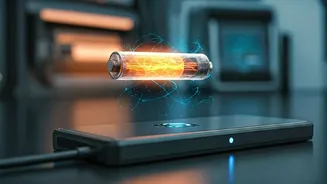
Should a revolutionary battery prototype prove to be real, it could usher in an era of unprecedented technological progress. The initial impact would likely
be felt across numerous industries, ranging from consumer electronics to transportation. The development could revolutionize electric vehicles, providing significantly increased range and reduced charging times. Energy storage solutions for homes and businesses could become more accessible and efficient, paving the way for a more sustainable future. This type of battery technology could also dramatically change how we power remote areas, providing access to clean energy where it was previously unattainable. The development would have repercussions reaching far beyond the initial applications, potentially impacting everything from the way cities are designed to the global balance of power.
Transforming Energy Landscape
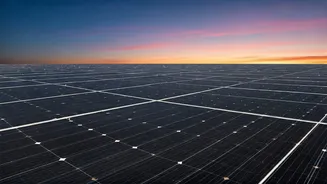
The implications for the energy sector alone are massive. Current reliance on fossil fuels would diminish, replaced by cleaner alternatives powered by this kind of battery. Solar and wind energy, currently limited by storage capacity, could become more reliable and cost-effective. The integration of renewable energy sources into the grid would become far easier, decreasing the need for traditional power plants and reducing carbon emissions. Smart grid technologies could also advance rapidly, enhancing energy distribution and usage. The energy landscape would become more decentralized and resilient, safeguarding against disruptions and fostering sustainability. This kind of battery could become a cornerstone of a new global energy infrastructure, fostering economic growth.
Shaping Consumer Products
The impact on consumer products would be equally transformative. Smartphones, laptops, and other portable devices would experience longer battery life and faster charging times. The size and weight of devices could potentially decrease, making them more convenient and appealing. Wearable technology, such as smartwatches and fitness trackers, would become more practical, with extended usage times. The power of electric tools and appliances would increase, improving their efficiency and user experience. New categories of products might emerge, enabled by the capabilities of a more efficient battery. The user experience and overall design of consumer electronics would be redefined, promising greater productivity and entertainment.
Revolutionizing Transportation
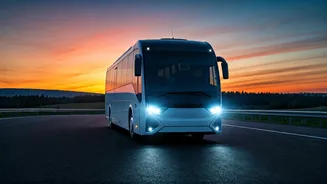
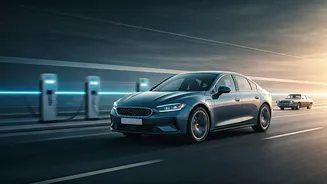
One of the most significant changes would occur within the transportation industry. Electric vehicles would gain unprecedented range, addressing the range anxiety that hinders their widespread adoption. Charging times could be drastically reduced, making EVs as convenient to refuel as gasoline-powered cars. The affordability of electric vehicles would likely increase, making them accessible to a broader consumer base. Mass transit systems, including buses and trains, could become fully electric, helping to reduce pollution. The development could drive innovation in aviation, potentially leading to the creation of electric airplanes. The transportation landscape would become more sustainable, efficient, and user-friendly, supporting an environment with zero emissions.
Addressing Global Challenges
This type of battery could contribute to tackling some of the world's most pressing challenges. It could help to alleviate energy poverty in underserved regions, giving access to clean energy for communities. It could accelerate the transition to a low-carbon economy, helping to mitigate the effects of climate change. It could bolster energy security by reducing dependence on external energy supplies. Furthermore, this kind of battery would support research into new technologies, creating job opportunities and stimulating economic growth. The technological breakthrough promises a pathway toward a more sustainable, equitable, and prosperous future for the world.