





Pollution: The Problem
Air pollution has become a significant concern in various regions. This pervasive issue affects the health of individuals, making it vital to understand
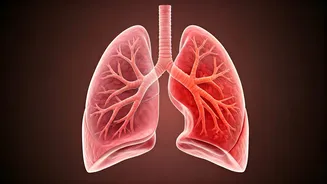
protective measures. Airborne particles, gases, and other contaminants pose serious risks, impacting respiratory systems. The severity of air pollution necessitates proactive steps to minimize exposure and mitigate potential health hazards. These include understanding pollution sources and adopting preventative strategies, such as the correct usage of face masks to reduce the inhalation of harmful particles. Being aware of the risks is the first step toward safeguarding well-being. Furthermore, the selection of the right mask can significantly enhance the body's defenses against pollutants.
Mask Types Explained
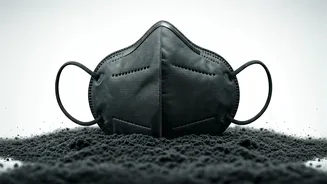
Various types of face masks are available, each offering different levels of protection. Surgical masks, commonly found in medical settings, are primarily designed to prevent large particles from entering the wearer's mouth and nose. However, they provide limited protection against finer pollutants. N95 and other respirator masks, on the other hand, are engineered to filter out at least 95% of airborne particles, including fine particulate matter (PM2.5) and aerosols. The effectiveness of a mask depends on its filtration efficiency and how well it fits the face, creating a secure seal. Understanding the distinctions between mask types helps one select the most suitable option for specific air quality conditions. Choosing the correct type of mask is the foundation for effective protection, especially in highly polluted environments.
Fit and Seal
The fit and seal of a face mask are critical for its effectiveness. A mask that doesn't fit properly allows pollutants to seep in, negating its protective benefits. It's essential to select a mask size that comfortably covers the nose and mouth without any gaps around the edges. When wearing a mask, the user should ensure a tight seal is created, achieved by adjusting the nose clip and straps. Regularly check for any air leakage during use. A mask with a poor fit may lead to inhaling harmful substances, reducing the protection level. The user should be mindful of face shape and structure when choosing a mask, as proper fit ensures the maximum protection possible. The mask's seal determines the level of protection provided to the wearer.
Filtration Efficiency Explained
Filtration efficiency represents a mask's capacity to block airborne particles. Masks are rated based on their ability to filter out specific particle sizes. N95 masks are a good example, as they are capable of filtering out a minimum of 95% of the small airborne particles. The filtration efficiency directly affects how well the mask protects against pollution. It's vital to choose masks with higher filtration ratings, particularly in areas with elevated pollution levels. When purchasing a mask, users must carefully review the filtration efficiency information. This knowledge aids in making informed decisions, increasing the chances of improved respiratory health. Higher-rated masks are better at preventing pollutants from entering the respiratory system.
Mask Maintenance Practices
Proper mask maintenance is essential for preserving its functionality and ensuring ongoing protection. Reusable masks should be cleaned and sanitized regularly according to the manufacturer's guidelines. This usually involves washing the mask with soap and water or using a sanitizing solution. Disposable masks are generally designed for single use and should be discarded when they become damaged, soiled, or after the recommended usage period. Always store masks in a clean, dry place to prevent contamination. Regularly inspect masks for damage. Properly maintaining a mask guarantees its continued effectiveness, guarding against the ingress of pollutants. Following the recommended maintenance ensures a better level of protection.