





The Perils of Summer Eating
The sweltering heat of summer amplifies food safety concerns, turning everyday meals into potential health hazards. A somber event in Bihar, where a 20-year-old
man tragically passed away after consuming restaurant-prepared Manchurian and Kadhai Paneer, serves as a chilling testament to this danger. The incident, which also left his companions severely ill, highlights the critical gap in hygiene practices often overlooked when dining out or ordering in. His untimely demise, just days before a significant family celebration, has cast a pall of grief, underscoring the urgent need for greater awareness. While awaiting definitive answers from post-mortem and lab reports, the incident reignites crucial questions about the standards of cleanliness maintained by food establishments, particularly during peak summer months when food spoils at an accelerated rate. This situation emphasizes that a lapse in hygiene, ingredient quality, or cooking environment can have immediate and devastating consequences on health.
Understanding Food Poisoning Triggers
Food poisoning, a prevalent concern, is primarily instigated by microscopic culprits – bacteria such as Salmonella, E. coli, and Listeria. These harmful agents infiltrate food through a variety of pathways, including inadequate handling of ingredients, the use of unsanitary surfaces, contaminated water sources, or the consumption of undercooked food items. During summer, the elevated temperatures act as an incubator, allowing these bacteria to proliferate exponentially when food is left at room temperature for extended periods, rendering it toxic for consumption. Furthermore, consuming food that has not been cooked thoroughly, especially meats, eggs, or seafood, poses a significant risk, as insufficient heat fails to eradicate these dangerous microbes. Even raw vegetables, if not meticulously washed and prepared, can harbor pathogens. Street food often presents an additional layer of risk, as it may be prepared using unsafe water for cooking or washing, thereby introducing hazardous microorganisms that render the food unfit for human consumption.
Safe Summer Kitchen Practices
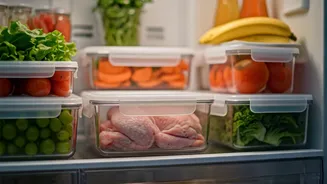
Preparing beloved dishes like Manchurian and Kadhai Paneer at home can be a rewarding experience, but summer demands heightened vigilance in the kitchen. Prioritize rigorous washing and preparation of all ingredients; for Manchurian, thoroughly clean vegetables like cabbage, as they are susceptible to harboring worms that can lead to severe, even fatal, health issues if not properly treated. Similarly, for Kadhai Paneer, authenticate the purity of paneer before cooking, as adulterated varieties available in markets can cause serious foodborne illnesses. Maintain immaculate cooking surfaces by regularly disinfecting countertops, chopping boards, knives, and all utensils, as even minor oversights in hygiene can trigger major foodborne ailments. When frying, ensure oil is at an optimal temperature, not overheated, and that food, like Manchurian balls or paneer, is evenly cooked throughout to eliminate any undercooked pockets where bacteria can thrive. Always scrutinize the expiry dates and condition of infrequently used condiments like soy sauce, vinegar, and chili sauce before use, as they can become stale and harbor microorganisms. Likewise, check the freshness of cream or malai before incorporating them into dishes. Finally, store any surplus food in clean, odor-free containers and, when reheating, always check for any off-putting taste or smell; if present, discard the food immediately.
Guidelines for Ordered Food
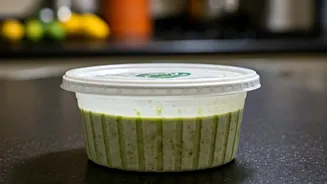
When enjoying meals ordered from restaurants at home during the summer, adopting specific safety protocols is paramount to prevent illness. Always begin by meticulously inspecting the packaging upon arrival; ensure the seal is intact, with no signs of damage or leakage. A quick assessment of the food's aroma and appearance is also crucial – if anything seems unusual or 'off,' it is best to discard the entire portion. If the ordered food has cooled down, reheating is recommended, but never in the original packaging. Transfer the food to a microwave-safe bowl or appropriate dish before heating, as this process helps to eliminate any potential bacteria that may have begun to multiply. It is also vital not to delay consumption once the food has been served or reheated. Avoid letting it sit at room temperature for extended periods; aim to consume it within 30 to 40 minutes of its arrival to minimize the risk of bacterial proliferation.