





Lunar Journey Begins
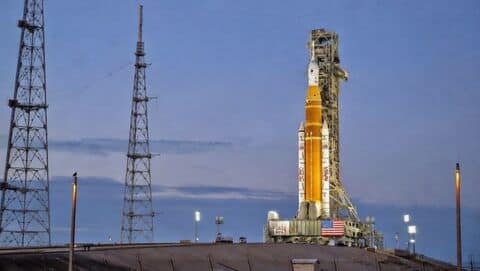
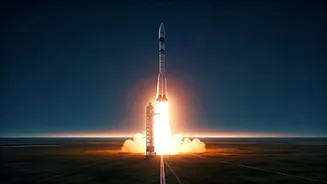
NASA has officially announced an updated launch schedule for its highly anticipated Artemis II mission, signaling a readiness for a liftoff commencing
on April 1. This crucial test flight, representing humanity's first crewed mission to the vicinity of the Moon in over half a century, is considered a vital step in NASA's broader lunar exploration ambitions. While the initial target launch was slated for February, unforeseen technical challenges necessitated a revised timeline. This adjustment allowed for additional preparatory missions and ensured the hardware and the dedicated team are fully prepared for the inherent risks associated with space travel. The agency is targeting up to four potential launch opportunities within a compact six-day window, with the inaugural attempt scheduled for April 1 at 6:24 pm Eastern Time (10:24 pm GMT). This mission is not about landing, but about a crucial flyby to test systems and crew capabilities in deep space.
Meet the Crew
The Artemis II mission will carry a distinguished crew of four astronauts, a testament to international collaboration and American expertise in spaceflight. Leading the mission as commander is Reid Wiseman, an experienced astronaut who brings valuable knowledge to the helm. Alongside him are fellow Americans Victor Glover and Christina Koch, both accomplished spacefarers. Rounding out the international contingent is Jeremy Hansen, representing Canada, marking a significant collaborative effort in this historic endeavor. This diverse team will undertake the critical task of navigating the Orion spacecraft on its journey around the Moon, pushing the boundaries of human presence further into the cosmos than has been achieved in generations.
Mission Trajectory and Future
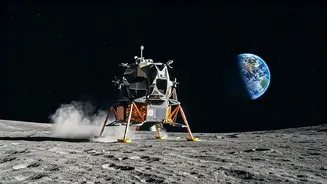
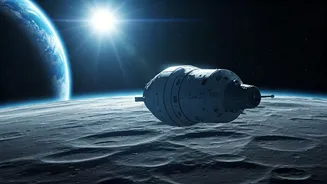
Following its departure from Earth, the Artemis II mission is meticulously planned to first orbit our home planet, allowing for final system checks before embarking on its lunar expedition. The spacecraft will then proceed to execute a flyby of the Moon, circling our celestial neighbor at a significantly closer proximity than any human has experienced in over 50 years, approaching within tens of thousands of miles. This close encounter is designed to rigorously test the Orion spacecraft's life support systems, navigation, and communication capabilities in the challenging lunar environment. Upon completion of the lunar flyby, the crew will return to Earth for a controlled splashdown in the ocean, marking the successful conclusion of this vital preparatory phase. The data and experience gained from Artemis II will directly inform the subsequent Artemis III mission, which is slated to involve rendezvous with a lunar lander and aims to achieve a lunar landing, furthering the overarching goal of establishing a sustainable human presence on the Moon.