




Spice's Mysterious Roots
Tracing back to its origins, saffron's narrative is steeped in antiquity. It's believed that saffron's cultivation journeyed from ancient Persia, now modern-day
Iran, winding its way through diverse civilizations and becoming a symbol of opulence and medicinal value. Historical texts and archaeological findings point to the cultivation of saffron thousands of years ago, with evidence suggesting its use dating back to the Bronze Age. The precise details of its genesis are a blend of fact and speculation, adding an air of mystique to this precious spice. Its presence was cherished in the royal courts and the common folk's everyday life, painting a picture of its deep integration into the cultural tapestry of ancient societies. Through the ages, saffron has retained its significance, continuously evolving with the societies it has touched. Its allure endures, maintaining its status as a highly sought-after commodity.
Why the High Price?
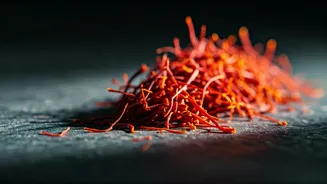
Saffron's elevated cost isn't accidental; it's a direct result of several demanding factors inherent in its harvesting and production. Saffron comes from the Crocus sativus flower, which has three delicate stigmas at its core, these stigmas are the saffron threads. The harvesting process is intensely manual, demanding precision and care as each stigma must be plucked by hand. This labor-intensive procedure, along with the fact that each flower yields only a minuscule amount of saffron, contributes considerably to its high cost. Moreover, the geographic specificity where saffron grows also plays a key role, with Iran being a major producer. The climate and soil conditions in these regions are perfect for saffron cultivation. The limited availability and the meticulous production methods have collectively cemented saffron's place as one of the most expensive spices worldwide.
Harvesting the Red Gold
The process of getting saffron from the flower to the market is a delicate and time-consuming procedure. It all begins when the Crocus sativus flowers bloom in the autumn. The flowers are handpicked early in the morning, which helps preserve the quality of the precious stigmas. After picking, the red stigmas are separated from the flower and then dried, traditionally over charcoal fires. This crucial step is significant because it enhances both the color and flavor of the saffron threads while also increasing its shelf life. The entire process, from harvesting to drying, requires great care and precision. The final product is saffron, which is then graded, packaged, and prepared for sale. Every step is vital, requiring dedication to ensure the end product is of the highest quality, a reflection of the intricate journey from farm to table.
Threats to Production
Saffron production faces a number of hurdles that pose a risk to its future. One key challenge is climate change, which has significantly altered weather patterns, leading to erratic yields. The rising temperatures and changing rainfall patterns impact the flowering season and the overall health of the saffron crocus. Besides climate change, there are other threats. Pests and diseases can devastate entire crops. Furthermore, the labor-intensive nature of saffron farming has led to fewer people being involved, resulting in a shortage of skilled labor. Competition from cheaper, inferior saffron substitutes is another concern, as it can devalue the genuine product and confuse consumers. These combined factors create an uncertain future, necessitating a focused and determined effort to protect saffron cultivation.
Sustainable Cultivation Strategies
Facing the challenges in saffron farming requires a multi-pronged approach to ensure its future. Sustainable farming methods are very important. This includes water conservation techniques, using organic practices to nurture the soil, and developing pest management strategies that minimize environmental impact. Supporting local farmers, providing training on best practices, and investing in research to improve crop resilience are also vital. Diversifying cultivation areas and promoting fair trade practices that guarantee fair prices for saffron farmers could prove beneficial. Implementing these approaches can help ensure the long-term sustainability of saffron cultivation. This not only protects the quality and authenticity of the spice but also helps preserve the cultural heritage associated with it. The preservation of this precious spice requires comprehensive action.