
Solar Activity Rising
The prime reason 2026 is creating buzz among aurora enthusiasts is the predicted increase in solar activity. It is crucial to grasp how our sun functions
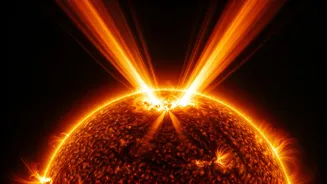
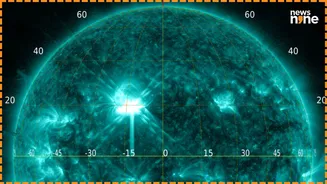
to comprehend the phenomenon. The sun goes through an approximately 11-year cycle, shifting between periods of heightened activity and relative calm. Throughout the solar maximum, the sun is expected to produce more sunspots, solar flares, and coronal mass ejections (CMEs). These events release massive quantities of energy and charged particles into space. When these particles encounter Earth’s magnetic field, they can create geomagnetic storms. These storms are the engines that power the auroras.
Geomagnetic Storms Explained
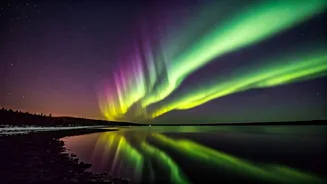
A deep dive into geomagnetic storms is essential to fully understand the likelihood of seeing more frequent and vibrant Northern Lights. These storms occur when the solar wind, charged particles from the sun, interacts with Earth's magnetosphere. This interaction can cause disturbances in the magnetosphere, leading to the formation of auroras. The intensity of a geomagnetic storm is measured using the Kp index, which ranges from 0 to 9, with 9 indicating the most severe conditions. Stronger storms, with higher Kp indices, often result in more widespread and intense auroral displays, potentially visible at lower latitudes. The G2 solar storm alert, which means a moderate geomagnetic storm, indicates a specific level of disruption. This level of activity may cause the aurora borealis.
Predicting Aurora Displays
Predicting auroral displays involves understanding solar activity and its impact on Earth’s magnetosphere. Scientists use various tools to forecast these events, including monitoring sunspots, solar flares, and coronal mass ejections (CMEs). They also analyze data from satellites that observe the solar wind and Earth’s magnetic field. Space weather forecasts provide information about the likelihood and intensity of geomagnetic storms. The accuracy of these forecasts is essential for aurora viewing enthusiasts. Monitoring the Kp index helps to determine whether or not to expect aurora borealis. The position of the observer on Earth is also crucial for sighting. The higher the latitude of the location, the better the odds of seeing the aurora. However, during powerful geomagnetic storms, the aurora can be seen at lower latitudes as well.
Best Viewing Locations
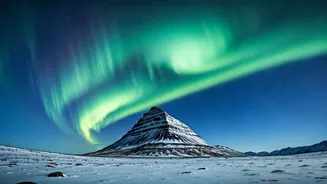
To maximize your chances of seeing the Northern Lights, you should consider several factors. One of the most important aspects is the location. Areas with minimal light pollution and clear skies are ideal. Locations like Alaska, Canada, Iceland, Norway, Sweden, and Finland, are known for their high frequency of aurora viewing. When choosing a location, it is beneficial to think about the geography. Mountains and water bodies often offer better viewing due to the reflection of the lights. The time of year is a factor as well. The best time to view the aurora is during the winter months, from late September to early April. The long hours of darkness and clear skies make this period perfect for observing the phenomenon.
Tips for Viewing
Enhancing your experience requires planning and taking precautions. Weather conditions are important. Checking the weather forecast and space weather forecasts is crucial. To get the best viewing experience, seek areas away from cities or other sources of light pollution. Allow your eyes to adapt to the dark for at least 20-30 minutes, allowing you to see the faint lights. For photography, use a DSLR camera or a mirrorless camera and use a wide-angle lens. Set the ISO to a high value (like 800-3200), and use a long exposure (15-30 seconds). Keep an eye on your equipment. Use a sturdy tripod to keep your camera steady during long exposures. Dress warmly. The best viewing times are during cold weather, so bring warm clothes.