





Nourishing Coconut Oil Massage
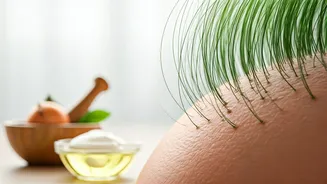
Coconut oil stands out for its ability to penetrate the hair shaft, significantly reducing protein loss and preventing breakage. Beyond its nourishing
properties, the act of massaging the scalp with warm coconut oil is crucial. This manual stimulation enhances blood flow directly to the hair follicles, essentially awakening dormant strands. Aim to incorporate this practice two to three times weekly, allowing the oil to work its magic overnight or for several hours before washing. This time-tested method offers a gentle yet powerful way to support your scalp's health and encourage healthier hair growth from the roots.
The Potency of Onion Juice
Despite its potent aroma, onion juice has gained significant traction as a natural remedy for hair loss. This is attributed to its rich sulfur content, a vital component in the synthesis of collagen and hair proteins. To use, grate or blend an onion, then strain the juice and apply it directly to the affected area. Let it rest on the scalp for approximately 20 to 30 minutes before thoroughly rinsing. The sulfur is believed to boost circulation and has shown promise in some studies for addressing patchy hair loss. For those sensitive to the smell, incorporating a few drops of rosemary or lavender essential oil can help to subtly mask the odor.
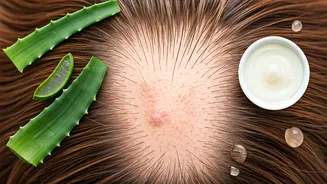
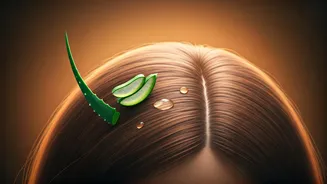
Soothing Aloe Vera Gel
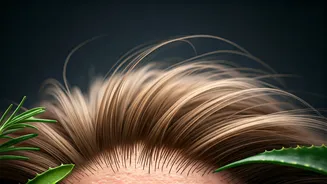
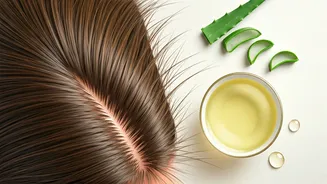
When scalp inflammation, dryness, or irritation hinders hair growth, aloe vera offers a calming and restorative effect. Fresh aloe vera gel is ideal for application. Gently rub the gel directly onto your scalp, allowing it to sit for 30 to 40 minutes before rinsing with lukewarm water. Aloe vera works by clearing blocked hair follicles and reducing scalp inflammation, thereby creating an optimal environment for new hair to emerge. This soothing treatment can be applied two to three times per week, providing consistent relief and support for your scalp's health.
Deeply Conditioning Castor Oil
Castor oil is a formidable ingredient when it comes to hair thickness and root nourishment. Its efficacy stems from ricinoleic acid, which is renowned for its beneficial effects on hair density. Due to its viscous nature, akin to honey, it's advisable to mix castor oil with a lighter oil such as almond or coconut oil to facilitate easier application. Massage the blend into the scalp and leave it overnight for maximum benefit. This rich oil deeply conditions the hair roots and establishes a protective layer that promotes a healthy scalp. Apply this remedy once or twice weekly, as its intensive nature means less is often more.
Fenugreek Seed Power
Fenugreek seeds, a common kitchen staple, are an underappreciated yet powerful remedy for hair concerns. These tiny seeds are packed with nicotinic acid and protein, the very building blocks of hair. To prepare, soak the fenugreek seeds overnight. The following morning, grind them into a fine paste and apply this mask to your scalp. Allow it to remain for 30 minutes before rinsing. Fenugreek is a traditional and highly effective method for strengthening hair roots and stimulating regrowth in areas experiencing thinning, making it a valuable addition to your hair care routine.
Stimulating Garlic Oil
Similar to onions, garlic is a potent source of sulfur, making it excellent for invigorating the scalp when hair growth seems stalled. To prepare this remedy, crush a few garlic cloves and gently heat them in a small amount of coconut oil. Once cooled, strain the oil. Use this infused oil as a targeted treatment on the affected areas once a week. The sulfur compounds in garlic are believed to stimulate the scalp, promoting circulation and potentially encouraging dormant follicles to become active again, supporting renewed hair growth in areas of concern.
Managing Stress Effectively
While topical remedies are beneficial, persistent high stress levels can significantly impede hair regrowth by elevating cortisol. Stress-induced hair shedding, known as telogen effluvium, is a common issue among women. Prioritizing adequate sleep, aiming for 7–8 hours nightly, and incorporating stress-reducing activities like deep breathing exercises or yoga for just a few minutes daily can help regulate your nervous system. When your body is less stressed, your hair cycle is more likely to return to its normal, healthy pattern, supporting overall hair health and regrowth.
Dietary Support for Growth
Hair growth is a lower priority for nutrient distribution within the body compared to vital organs. Therefore, inadequate dietary intake can directly impact hair health, often being the first system to be affected. Focusing on a balanced diet rich in protein from sources like lentils, eggs, and paneer; iron from spinach and dates; and healthy fats from walnuts and seeds is crucial. Correcting underlying nutrient deficiencies, particularly iron, is essential, as topical treatments alone cannot compensate for a lack of necessary building blocks for hair.
Practices to Avoid
Sometimes, discontinuing certain hair practices is as vital as implementing new remedies. For women experiencing bald spots, it's imperative to steer clear of hairstyles that exert high tension on the hair roots, such as very tight buns, braids, or ponytails. Additionally, minimizing the use of heat styling tools like flat irons and avoiding harsh chemical treatments like bleaching or perming until regrowth is noticeable are critical steps. Protecting your hair from further stress and damage allows the scalp to heal and encourages a healthier environment for hair to flourish.
Patience and Professional Guidance
Significant hair regrowth is a gradual process, and patience is paramount. Visible results, such as the emergence of fine 'baby hairs,' may appear within 4–6 weeks, with more substantial filling of bald spots developing over 2–3 months. Consistency in applying remedies is key; switching treatments frequently will likely yield no results. However, if the bald spot rapidly expands, or if you experience scalp pain, itching, significant hair shedding in clumps, or other concerning symptoms like extreme fatigue or irregular periods, seeking professional advice from a dermatologist is recommended to rule out underlying medical conditions.