





Solar Maximum Explained
The sun has an active phase known as the solar maximum. This period is marked by an increase in solar flares and coronal mass ejections (CMEs). These events
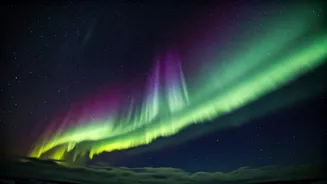
release massive amounts of energy and charged particles into space. When these particles interact with Earth's magnetic field, they cause auroras. The intensity of these auroras depends on the strength of the solar events. The year 2026 is projected to be part of an especially active solar cycle, making the conditions ideal for seeing spectacular auroras. The sun’s activity cycle is approximately 11 years. During solar maximum, the sun's magnetic field becomes more complex, resulting in a surge in sunspots and solar flares. These flares and CMEs send a flood of energetic particles towards Earth. The particles then collide with gases in the Earth's atmosphere, leading to the mesmerizing light displays of the auroras.
Auroras' Dance: How It Works
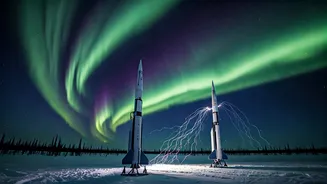
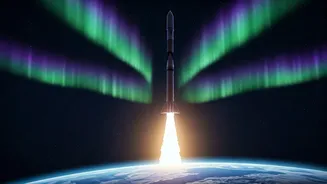
The dance of the auroras is a remarkable interaction of solar particles with Earth's atmosphere. When charged particles from the sun, propelled by solar flares and CMEs, reach Earth, they interact with our planet's magnetic field. This interaction guides the particles toward the polar regions. Once these particles reach the upper atmosphere, they collide with atoms and molecules like oxygen and nitrogen. These collisions excite the atmospheric gases, causing them to emit light. The colors of the auroras depend on the type of gas involved and the altitude. Green is the most common color, usually produced by oxygen at lower altitudes, while red is associated with oxygen at higher altitudes. Nitrogen can create blue and purple hues. The brilliance and dynamics of the auroras are affected by the intensity of the solar events, with more intense events resulting in brighter and more active displays.
2026: Viewing Prospects
With a predicted increase in solar activity, 2026 could offer phenomenal opportunities to observe the Northern Lights. The intensity of the auroras will likely be significantly higher, which could lead to displays that are not only more frequent but also visible from locations farther away from the poles. This increased visibility makes it an exciting prospect for aurora watchers worldwide. Areas that usually see the auroras may experience extended periods of activity. Moreover, there is a chance that the auroras will be visible in areas where they are rarely seen. This offers a broader opportunity for people to witness this natural wonder. As the solar maximum approaches, planning trips to high-latitude locations during the peak of the activity is recommended. It is also good to monitor solar activity forecasts to maximize the chances of viewing the auroras.
Other Potential Impacts
While the solar maximum promises breathtaking auroras, there are also potential challenges. Intense solar storms can disrupt satellite communications, GPS systems, and power grids. Space agencies and other organizations closely monitor solar activity to mitigate these risks. Geomagnetic storms can affect the Earth's magnetic field, which could lead to fluctuations in power grids. They can also damage satellites in orbit. Understanding and preparing for these potential impacts is essential. This includes developing protective measures for essential infrastructure. This also means having robust contingency plans to manage potential disruptions. Scientists and engineers are continually improving forecasting capabilities to provide early warnings. This helps minimize the impact of solar storms on technology and everyday life.