
Scheme's Genesis
The Indian government launched a battery scheme with the primary goal of bolstering the nation's electric vehicle (EV) sector. The intent was to catalyze
the adoption of EVs and reduce reliance on fossil fuels. This initiative aimed to foster local manufacturing capabilities for Advanced Chemistry Cells (ACC), a critical component in EVs. The government envisioned that by supporting domestic production, it could drive down the costs of EVs and enhance their accessibility for the Indian populace. Through this strategic move, India sought to establish itself as a prominent player in the global EV market, creating jobs and stimulating economic growth. The scheme's success was pivotal in India's transition to sustainable transportation.
How It Was Built
The scheme was meticulously planned to support the establishment of ACC manufacturing facilities. The strategy involved offering financial incentives to companies willing to set up these plants. The incentives aimed to cover a significant portion of the capital expenditure, thereby reducing the financial burden on the manufacturers. Furthermore, the scheme included specific eligibility criteria, ensuring that only qualified companies with proven technological capabilities could participate. The selection process involved a rigorous evaluation of proposals, focusing on factors like technological expertise, financial stability, and the ability to meet production targets. This comprehensive approach was designed to ensure that the scheme attracted serious contenders and yielded tangible results, promoting the development of a robust and competitive EV battery manufacturing ecosystem.
ACC: Key Component
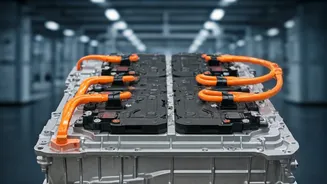
Advanced Chemistry Cells (ACC) represent a cutting-edge battery technology essential for modern EVs. ACCs are a form of energy storage that utilizes advanced chemical compositions to provide higher energy density, longer lifespans, and improved safety compared to traditional batteries. These cells are designed to store and release electrical energy efficiently, making them the heart of an EV's power system. The scheme prioritized ACC manufacturing due to its strategic importance in the EV value chain. The ability to produce ACCs locally was seen as crucial for reducing dependence on imported components and fostering technological self-reliance. The availability of locally manufactured ACCs would not only lower the cost of EVs but also boost the entire ecosystem, including component suppliers and service providers.
Scheme's Shortcomings
Despite its promising objectives, the scheme encountered several significant challenges. One of the main hurdles was the slow pace of project implementation. Selected companies faced difficulties in setting up their manufacturing plants due to various factors, including regulatory hurdles, land acquisition issues, and delays in securing necessary permits. Another concern was the technological readiness of the participating companies. Some companies struggled to meet the stringent technological requirements, leading to delays and revisions in their project plans. Moreover, the global supply chain disruptions, particularly those caused by geopolitical events and the pandemic, further complicated the situation. These external factors impacted the availability of raw materials and components, hindering the progress of manufacturing plants. Ultimately, these issues collectively slowed down the scheme, hindering the realization of its intended benefits.
Why It Failed?
Several factors contributed to the scheme's lack of success. High initial capital expenditures acted as a deterrent for many potential investors, making the projects financially challenging. Moreover, the scheme's incentive structure may not have been sufficiently attractive to offset the high risks and costs involved in setting up ACC manufacturing facilities. The complex regulatory framework also added to the burden. The stringent compliance requirements and bureaucratic processes created delays and increased costs, discouraging participation. In addition, the lack of a well-defined ecosystem, including the absence of reliable suppliers and service providers, further hampered the scheme's progress. These combined factors created a challenging environment, making it difficult for the scheme to achieve its desired outcomes and limiting its impact on the EV market.
Proposed Remedies
To address the scheme's shortcomings, several key recommendations were put forward. Firstly, the report suggests simplifying the regulatory framework to ease the process of project implementation. Streamlining the procedures can reduce delays and create a more favorable environment for investment. Secondly, improving the incentive structure is crucial. The report suggests providing more attractive financial incentives to attract investors and offset the high upfront costs associated with ACC manufacturing. Thirdly, the report recommends strengthening the ecosystem, including developing a robust supply chain and fostering collaboration among stakeholders. This will ensure that manufacturers have access to essential components and services. Lastly, the report emphasizes the importance of providing technical assistance and training to participating companies, helping them overcome technological challenges and improve their operational efficiency. Implementing these recommendations can help revive the scheme and propel India's EV sector forward.