






Ocean's Carbon Sink
Oceans are pivotal in regulating the global climate due to their capacity to absorb substantial amounts of carbon dioxide (CO2) from the atmosphere. This
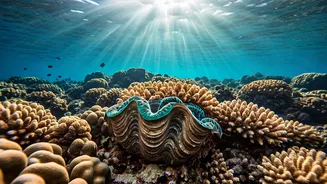
absorption process is not a simple one; it involves a complex interplay of chemical reactions and biological processes. One crucial mechanism is the 'calcium carbonate pump.' Calcium carbonate, a compound formed by marine organisms like corals and shellfish, effectively locks away CO2. As these organisms create shells and skeletons, they extract dissolved carbon from the water, converting it into solid forms. When these organisms die, their remains, including calcium carbonate, sink to the ocean floor, effectively sequestering the carbon that was once in the atmosphere. The ocean's ability to act as a significant carbon sink helps to mitigate the effects of greenhouse gas emissions, though this capability is not unlimited and is subject to change with shifts in ocean chemistry and global climate patterns.
Calcium's Crucial Role
Calcium, present in seawater in dissolved form, plays a vital role in the oceanic carbon cycle. It acts as a key component in the formation of calcium carbonate (CaCO3), the main ingredient in the shells and skeletons of many marine creatures. The concentration of calcium in seawater, alongside other factors like temperature and acidity, affects the rate at which calcium carbonate precipitates out of the water. When calcium combines with carbonate ions, it forms solid calcium carbonate, effectively removing dissolved CO2 from the ocean water. This process is crucial because it transforms the dissolved inorganic carbon into a solid form, making it unavailable to return to the atmosphere quickly. The amount of calcium available, therefore, influences the ocean's capacity to store carbon over long periods. Understanding the dynamics of calcium in the ocean helps scientists predict and understand how ocean chemistry changes affect climate.
Carbonate's Impact
Carbonate ions, a critical component of the ocean's buffering system, are directly related to the amount of CO2 the ocean can absorb and store. When CO2 from the atmosphere dissolves in seawater, it reacts with water molecules to form carbonic acid. This acid then breaks down into bicarbonate and carbonate ions. The presence of these ions is vital, as they influence the ocean's ability to neutralize excess acidity. The more carbonate ions that are available, the more effectively the ocean can absorb CO2. This absorption then prompts the formation of calcium carbonate, described earlier, which further sequesters the CO2. The balance of carbonate ions in the ocean is crucial for maintaining the delicate equilibrium of marine ecosystems. Changes in the concentration of these ions can impact the ability of marine organisms to build their shells, influencing the overall carbon cycle and climate regulation.
Climate Connection Unveiled
The ocean's role in climate regulation is profound because the entire climate system is interconnected. Ocean's absorption and storage of CO2 directly influence global warming. When the ocean absorbs more CO2, it helps to slow down the pace of climate change. The opposite is also true. The oceans have absorbed a significant portion of the CO2 emitted by human activities, but this absorption capacity is being affected by changes in ocean temperature, acidity, and other factors. As the ocean absorbs more CO2, it becomes more acidic, a process that can harm marine life and reduce the ocean's ability to absorb further CO2. This complex interplay underscores the significance of understanding ocean chemistry and its impact on the larger climate picture. The study of these intricate processes is critical for predicting future climate changes and developing effective mitigation strategies.
Future Implications Explored
The future of the ocean's ability to regulate climate hangs in balance with rising levels of CO2 and the consequent changes in ocean chemistry. Scientists are currently studying the impact of ocean acidification and warming on the marine environment. Increased CO2 levels lead to ocean acidification, making it harder for marine organisms to build and maintain their shells and skeletons, impacting the formation of calcium carbonate. Ocean warming can also decrease the ocean's ability to absorb CO2. This combination of factors could reduce the efficiency of the ocean as a carbon sink, leading to more CO2 remaining in the atmosphere and accelerating climate change. Understanding these future impacts is essential for policy decisions and for adapting to a changing climate, making it necessary to develop and implement strategies to reduce CO2 emissions and to protect marine ecosystems.